🌵 How to Fix Black Spots on Your Spineless Agave
Agave attenuata
By the Greg Editorial Team
Oct 09, 2024•4 min read
This article was created with the help of AI so we can cover more plants for you. May contain errors. See one? Report it here.
- 🌱 Black spots indicate fungal infections; look for yellow halos and mushy areas.
- 🔍 Inspect leaves regularly to catch pests and diagnose issues early.
- 🌞 Ensure 6+ hours of sunlight and well-draining soil for healthy Spineless Agave.
Diagnosing the Problem
🌱 Identifying Fungal Infections
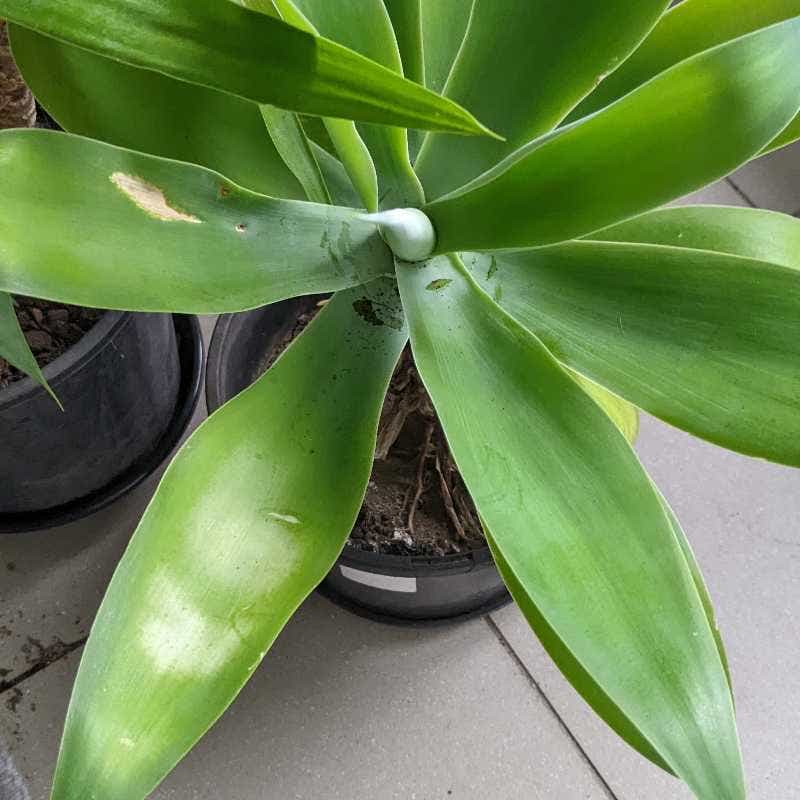
Fungal infections can be a real headache for your Spineless Agave. Look out for black spots surrounded by yellow halos; this is a clear sign of specific fungal issues.
Additionally, if you notice soft, mushy areas on the leaves, that's a sign of leaf decay. This decay often accompanies fungal infections, so it’s crucial to act quickly.
Diagnostic Methods
Start with a visual inspection. Check for patterns and the spread of spots on the leaves, as this can indicate the severity of the infection.
Soil testing is also essential. Assess moisture levels and drainage issues to determine if overwatering might be contributing to the problem.
🐞 Recognizing Pest Infestations
Pests can wreak havoc on your Spineless Agave, so it's vital to recognize the symptoms early. Yellowing or browning around black spots often indicates pest damage.
Keep an eye out for visible insects or sticky residue on the leaves, which can signal an infestation.
Diagnostic Techniques
Conduct a hand inspection by looking closely at the undersides of the leaves. This is where pests like to hide, so be thorough in your search.
Using a magnifying glass can help you identify smaller pests, such as spider mites, that may not be visible to the naked eye.
By diagnosing these issues early, you can take the necessary steps to protect your plant and ensure its health. Next, let’s explore effective treatment options to tackle these problems head-on.
Treatment Options
🧪 Chemical Treatments for Fungal Issues
Fungal infections can be a real headache for your Spineless Agave. To combat these, look for fungicides with active ingredients like copper-based or systemic options.
When applying, spray directly onto the affected leaves. The best times for treatment are early morning or late afternoon to avoid the harsh sun. Reapply every 7-14 days until you see improvement.
🌱 Organic Solutions for Pest Control
If pests are the issue, consider natural deterrents. Neem oil is a fantastic option; apply it every week for effective results.
Insecticidal soap is another great choice. Mix it according to the instructions and spray on the affected areas. Additionally, introducing beneficial insects like ladybugs or lacewings can help keep pest populations in check.
✂️ Pruning Affected Leaves
Pruning is essential when you spot black spots. Do this as soon as you notice the issue, using clean, sharp pruning shears for the best results.
Cut the affected leaves at the base to prevent further spread. After pruning, seal the cuttings in a bag to avoid re-infestation, ensuring your plant stays healthy.
With these treatment options, you can effectively tackle black spots on your Spineless Agave. Next, let’s explore preventive measures to keep your plant thriving.
Preventive Measures
Proper Watering Techniques 🌊
Watering your Spineless Agave correctly is crucial for its health. Allow the soil to dry out completely between waterings to prevent root rot.
Overwatering can lead to wilting and yellowing leaves, signaling distress. Conversely, underwatering may cause leaf curling and browning tips, indicating your plant needs attention.
Ideal Sunlight Exposure ☀️
Spineless Agave thrives in full sun, requiring a minimum of six hours of direct sunlight daily. Insufficient light can result in stretching and pale leaves, which are signs your plant is not getting enough energy.
Soil Requirements for Healthy Growth 🌱
A well-draining soil mix is essential for your Spineless Agave. Aim for a composition of about 50% sand and 50% potting soil to ensure proper drainage.
Maintaining the right pH level is also vital. The ideal pH range for optimal growth is between 6.0 and 7.0, providing a balanced environment for your plant.
By following these preventive measures, you can significantly reduce the risk of black spots and other issues. Next, let’s explore ongoing care and maintenance to keep your Spineless Agave thriving.
Ongoing Care and Maintenance
Regular Inspection for Early Signs 🕵️♂️
Regular inspections are crucial for the health of your Spineless Agave. Aim for weekly checks during the growing season to catch any issues early.
Look for early signs of black spots or pest activity. Catching these problems early can save your plant from more severe damage down the line.
Seasonal Care Adjustments 🌦️
Adjusting your care routine based on the seasons can make a significant difference. In winter, reduce watering frequency and protect your agave from frost.
During summer, increase watering and ensure adequate drainage. This balance helps your plant thrive in varying conditions.
Fertilization Practices to Boost Plant Health 🌱
Choosing the right fertilizer is essential for robust growth. Opt for low-nitrogen, slow-release options to nourish your Spineless Agave effectively.
The best times to fertilize are early spring and mid-summer. Follow package instructions for dosage to avoid over-fertilizing, which can harm your plant.
By staying vigilant and adjusting your care practices, you can ensure your Spineless Agave remains healthy and vibrant. Next, let's explore preventive measures to keep your plant thriving year-round.
⚠️ Safety First
This content is for general information and may contain errors, omissions, or outdated details. It is not medical, veterinary advice, or an endorsement of therapeutic claims.
Always consult a qualified healthcare professional before using any plant as food, medicine, or supplement.
Never eat any plant (or feed one to pets) without confirming its identity with at least two trusted sources.
If you suspect poisoning, call Poison Control (800) 222-1222, the Pet Poison Helpline (800) 213-6680, or your local emergency service immediately.
Spotted an error? Please report it here.
Keep your Spineless Agave spot-free 🌿 by using Greg's tailored watering alerts and pest control strategies to ensure it thrives all year round!