🌵 Step-by-Step Guide to Choosing Soil for Spineless Agave
Agave attenuata
By the Greg Editorial Team
Oct 09, 2024•5 min read
This article was created with the help of AI so we can cover more plants for you. May contain errors. See one? Report it here.
- 🌱 Healthy soil is crucial for Spineless Agave; watch for mold and compaction signs.
- 🧪 Test soil pH regularly; Spineless Agave thrives between 6.0 and 7.0.
- 🌿 Nutrient deficiencies cause yellowing leaves; use balanced fertilizers for optimal growth.
Identifying Unhealthy Soil
Signs of Unhealthy Soil 🌱
Recognizing unhealthy soil is crucial for the well-being of your Spineless Agave. Common indicators include moldy soil, which often arises from excessive moisture and poor drainage, leading to root rot and other complications.
Soil compaction is another red flag. It restricts root growth and limits the soil's ability to retain nutrients and water, making it harder for your plants to thrive.
Visual cues can also provide insight into soil health. Look for discoloration, unusual odors, and changes in texture. These signs often indicate underlying issues that need immediate attention.
How to Recognize Nutrient Deficiencies 🥴
Nutrient deficiencies can severely impact your Spineless Agave. Symptoms include yellowing leaves, stunted growth, and poor leaf structure, all of which signal that your plant isn't receiving the nutrients it needs.
Differentiating between nutrient deficiencies and other problems can be tricky. Pay close attention to the specific symptoms and consider environmental factors that might be affecting your plant's health.
Common Pests and Diseases Related to Soil Health 🐛
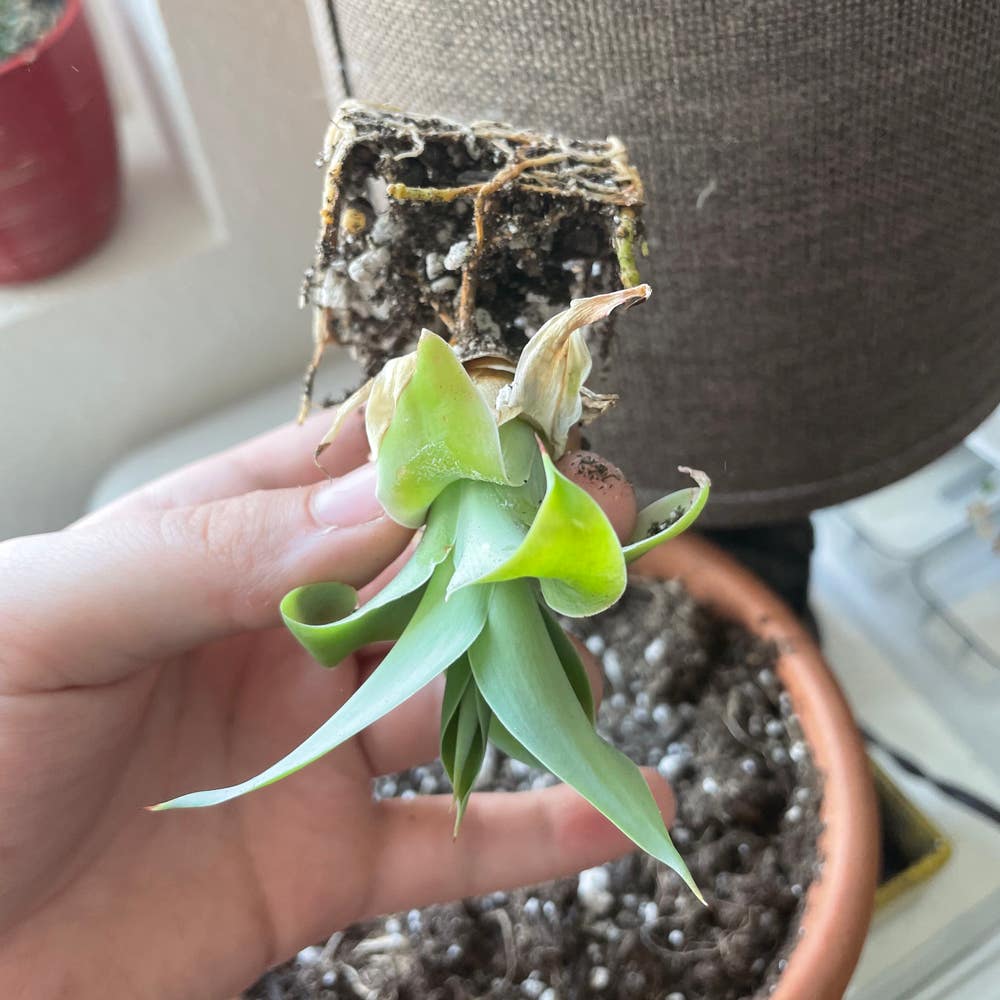
Unhealthy soil can attract various pests that can wreak havoc on your Agave. Root mealybugs are a prime example; they thrive in poor soil conditions and can cause significant damage by feeding on the plant's roots.
Additionally, diseases linked to poor soil conditions, such as fungal infections, can emerge. Prevention is key; maintaining healthy soil can help keep these threats at bay.
Understanding these signs and symptoms will empower you to take action, ensuring your Spineless Agave remains vibrant and healthy. Next, we’ll explore effective solutions for resolving soil issues.
Resolving Soil Issues
🦠 Solutions for Moldy Soil
Moldy soil can be a significant problem for Spineless Agave, indicating excess moisture and poor air circulation. To tackle this, start by removing the affected soil and replacing it with a fresh mix.
Next, improve air circulation around your plants. This can be achieved by spacing them adequately and ensuring proper drainage in pots. Reducing moisture levels is crucial; consider watering less frequently and using pots with drainage holes.
To prevent mold growth in the future, maintain a dry environment. Regularly check for signs of excess moisture and adjust your watering schedule accordingly.
🏗️ How to Amend Compacted Soil
Compacted soil can hinder root growth and overall plant health. To loosen it, incorporate materials like perlite or sand, which improve texture and aeration.
Using a garden fork to aerate the soil is another effective technique. Simply poke holes into the compacted areas, allowing air and water to penetrate more easily.
Regular soil maintenance is essential to prevent compaction. Periodically check your soil's texture and make adjustments as needed to keep it healthy.
🌱 Steps to Rejuvenate Unhealthy Soil
Revitalizing depleted soil is vital for the health of your Spineless Agave. Start by adding organic matter and compost, which enrich the soil with nutrients.
Consider rotating soil amendments based on seasonal needs. This ensures that your plants receive a balanced diet throughout the year, promoting robust growth.
By following these steps, you can transform unhealthy soil into a thriving environment for your Agave. This sets the stage for the next topic: understanding soil pH and nutrient needs.
Soil pH and Nutrient Needs
Ideal pH Range for Spineless Agave 🌱
Spineless Agave thrives best in soil with a pH level between 6.0 and 7.0. This range is crucial because it directly affects nutrient availability, ensuring your plant can absorb essential elements effectively.
For Agave americana var. marginata, maintaining this pH is particularly important. Deviations can lead to nutrient lockout, where even abundant nutrients become inaccessible to the plant.
How to Test Soil pH 🔍
Testing your soil's pH is straightforward and can be done using various methods. You can opt for pH test kits or meters available at garden centers for precise readings.
Alternatively, DIY methods like using vinegar and baking soda can provide quick insights. Simply mix a small amount of soil with vinegar; if it fizzes, your soil is alkaline. Conversely, mixing soil with baking soda can indicate acidity if it bubbles.
Regular testing is key for optimal growth. Aim to check your soil pH at least once a season to ensure it remains within the ideal range.
Nutrient Requirements Specific to Spineless Agave 🌿
To promote healthy growth, Spineless Agave requires a balanced supply of essential nutrients. The primary nutrients include nitrogen, phosphorus, and potassium (NPK), which support various growth functions.
Micronutrients like magnesium and calcium also play vital roles. These elements contribute to overall plant health and resilience against stressors.
For fertilization, a schedule that aligns with the growing season is recommended. Use a balanced fertilizer, ideally one formulated for succulents, to meet the specific needs of your Agave.
Understanding these nutrient dynamics will empower you to create a thriving environment for your Spineless Agave. With the right pH and nutrient balance, your plant will flourish, setting the stage for the next steps in soil preparation.
Creating a Homemade Soil Mix
🧪 Ingredients for an Ideal Homemade Soil Mix
To create the perfect homemade soil mix for your Spineless Agave, you'll need a few key ingredients. Start with coarse sand, perlite, peat moss, and compost.
Sourcing quality ingredients is crucial. Poor-quality materials can lead to drainage issues and nutrient deficiencies, ultimately affecting your plant's health.
🛠️ Step-by-Step Guide to Mixing Soil
- Gather materials: Collect sand, perlite, and organic matter.
- Measure and mix: Combine the ingredients in recommended ratios.
- Test the final mix: Check for proper drainage and texture.
- Adjust as necessary: Modify based on texture and moisture retention.
This straightforward process ensures your Spineless Agave has the best foundation for growth.
⚖️ Tips for Adjusting Soil Texture and Drainage
If your existing soil mix isn't performing well, don't worry—there are ways to improve it. Adding more perlite can significantly boost drainage.
Balancing moisture retention with organic matter is also essential. This adjustment helps maintain the right environment for your Agave to thrive.
With these tips, you'll be well on your way to creating a thriving home for your Spineless Agave. Next, let's explore how to ensure your soil meets the specific pH and nutrient needs of this unique plant.
⚠️ Safety First
This content is for general information and may contain errors, omissions, or outdated details. It is not medical, veterinary advice, or an endorsement of therapeutic claims.
Always consult a qualified healthcare professional before using any plant as food, medicine, or supplement.
Never eat any plant (or feed one to pets) without confirming its identity with at least two trusted sources.
If you suspect poisoning, call Poison Control (800) 222-1222, the Pet Poison Helpline (800) 213-6680, or your local emergency service immediately.
Spotted an error? Please report it here.
Ensure your Spineless Agave flourishes by using Greg's tailored reminders for optimal soil health 🌿, so you can easily maintain the perfect environment for your plant!