🌵 Best Tips for Repotting Spineless Agave
Agave attenuata
By the Greg Editorial Team
Oct 09, 2024•7 min read
This article was created with the help of AI so we can cover more plants for you. May contain errors. See one? Report it here.
- 🌱 Signs your Agave needs repotting: Look for roots out of drainage holes or circling.
- 🕒 Best time to repot: Late spring to early summer ensures optimal growth conditions.
- 🧰 Gather essential materials: New pot, soil, gloves, and tools are crucial for success.
Signs That Your Agave Needs Repotting
🌱 Root Bound Indicators
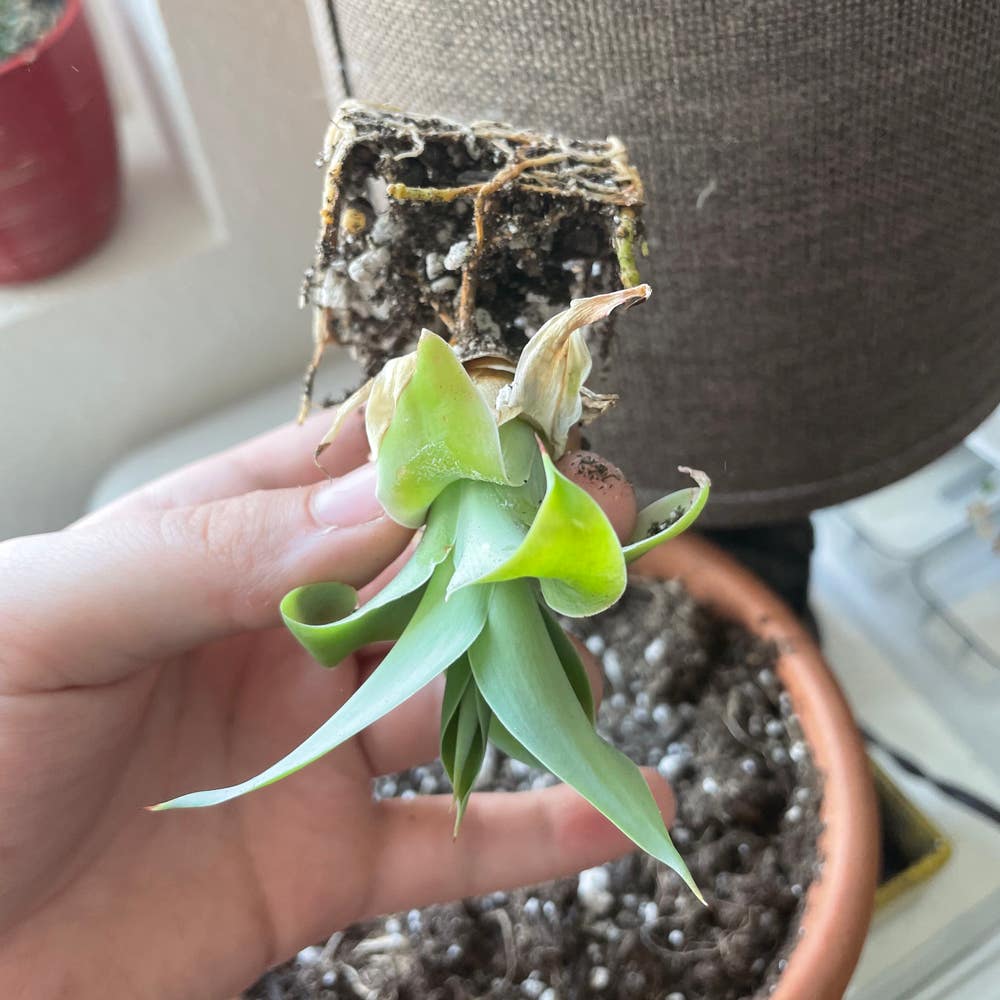
If your Agave is showing signs of being root-bound, it's time to consider repotting. Look for roots growing out of the drainage holes or circling the interior of the pot.
Stunted growth, even with proper care, is another clear indicator. If your plant seems to have hit a growth plateau, it may be struggling for space.
🏺 Soil Condition
The condition of the soil is crucial for your Agave's health. If you notice the soil breaking down and compacting, it can hinder water drainage.
Poor drainage can lead to water retention, which is detrimental to your plant. Keep an eye out for these signs to ensure your Agave thrives.
📏 Plant Size
As your Agave grows, it may simply outgrow its current pot. If the leaves are becoming crowded or overlapping, it's a strong signal that repotting is necessary.
A pot that no longer accommodates your plant's size can restrict its growth. Recognizing these signs early can help maintain your Agave's health and vitality.
Transitioning to the next topic, understanding the best time of year to repot is essential for ensuring your Agave's successful recovery.
Best Time of Year to Repot
🌱 Seasonal Timing
The best time to repot your spineless agave is during late spring to early summer, specifically from April to June. This period aligns with the plant's active growth phase, allowing it to recover quickly from the stress of repotting.
🌡️ Environmental Factors
Temperature plays a crucial role in successful repotting. Aim for a range between 70°F to 85°F (21°C to 29°C) to ensure your agave thrives.
Avoid repotting during dormancy, which typically occurs in the fall and winter. During these colder months, your plant is less likely to bounce back from the disturbance.
By choosing the right time, you set your agave up for success, ensuring it continues to grow strong and healthy. This thoughtful approach paves the way for the next steps in the repotting process.
Step-by-Step Guide to Repotting Agave
Repotting your spineless agave can seem daunting, but with the right approach, it’s a straightforward process. Follow these steps to ensure your plant thrives in its new home.
1. Gather Your Materials 🧰
Before you start, collect everything you need: a new pot, potting soil, gloves, a trowel, and a watering can. Having these items ready will make the process smoother.
2. Choose the Right Pot Size 📏
Select a pot that is 1-2 inches larger in diameter than the current one. This extra space allows for healthy root growth without overwhelming the plant.
3. Prepare the New Pot 🪴
Check that your new pot has drainage holes to prevent waterlogging. Add a layer of gravel or small stones at the bottom for enhanced drainage.
4. Remove the Agave from Its Current Pot 🚪
Gently loosen the soil around the edges of the pot. Carefully lift the plant by the base, ensuring you don’t damage the leaves.
5. Inspect the Root System 🔍
Take a moment to examine the roots. Trim any dead or damaged roots with sterilized scissors to promote healthy growth.
6. Place the Agave in the New Pot 🌱
Center the plant in the new pot and fill it with potting soil. Make sure the crown of the agave is above the soil line for optimal health.
7. Water Lightly to Settle the Soil 💧
After repotting, water the plant lightly to help settle the soil. Be cautious not to overwater right after repotting.
8. Allow the Plant to Acclimate 🌤️
Place the newly potted agave in a shaded area for a few days. This helps it adjust to its new environment without stress.
Following these steps will set your spineless agave up for success in its new pot. Next, let’s explore the best pot materials to use for your agave.
Pot Material Options
Best Pot Materials 🌱
Choosing the right pot material is crucial for your spineless agave's health. Terracotta is a top choice, known for its excellent drainage and air circulation, which helps prevent root rot.
Ceramic pots can also be a good option, provided they have drainage holes. They tend to retain moisture better than terracotta, making them suitable for those who prefer a bit more humidity around their plants.
Materials to Avoid 🚫
When selecting a pot, steer clear of plastic. While lightweight, plastic can trap too much moisture, leading to root rot, which is a nightmare for any plant parent.
Metal pots are another no-go. They can heat up quickly in the sun, potentially damaging your agave's roots and causing stress.
Benefits of Terracotta vs. Plastic ⚖️
Terracotta pots have a unique advantage: they allow for evaporation, which helps reduce the risk of overwatering. This is especially beneficial for spineless agave, which thrives in drier conditions.
On the other hand, plastic pots may be easier to handle due to their weight, but they require more frequent monitoring of moisture levels. If you choose plastic, be prepared to keep a close eye on your plant's watering needs.
In summary, opting for the right pot material can significantly impact your agave's growth and overall health. With the right choice, you set the stage for a thriving plant that brings joy to your space.
Next, let's dive into the ideal soil and drainage options for your agave!
Soil and Drainage
🌱 Recommended Potting Soil
Choosing the right potting soil is crucial for your spineless agave's health. A commercial cactus or succulent mix works wonders, providing the right balance of nutrients and drainage.
Alternatively, you can create your own mix. Combine 50% potting soil, 25% perlite, and 25% coarse sand for an ideal blend that promotes aeration and moisture control.
🚰 Importance of Drainage
Good drainage is essential for preventing root rot and ensuring your agave thrives. Without it, excess water can linger, leading to unhealthy roots and stunted growth.
Proper drainage allows excess water to escape easily, keeping the soil from becoming waterlogged. This is especially important for spineless agave, which prefers drier conditions.
🧪 Creating a Well-Draining Soil Mix
To create your well-draining soil mix, start by gathering your ingredients in a large container. Combine the potting soil, perlite, and coarse sand thoroughly.
Mixing these materials ensures an even distribution, which is key for maintaining consistent moisture levels. This simple step can make a significant difference in your plant's overall health.
With the right soil and drainage in place, your spineless agave will be set up for success. Next, let’s explore the best pot material options to complement your repotting efforts.
Post-Repotting Care
Care After Repotting 🌱
After repotting your spineless agave, patience is key. Wait 1-2 weeks before watering to allow the roots to settle into their new environment.
Gradually reintroduce your agave to full sunlight. This helps it adjust without overwhelming the plant.
Signs of Stress and Solutions ⚠️
Keep an eye out for wilting or yellowing leaves. These can indicate overwatering or inadequate light, so check your watering habits and light conditions.
If you notice dropping leaves, ensure proper drainage. Avoid waterlogged soil to keep your agave thriving.
By following these post-repotting care tips, you set your agave up for success. Next, let’s explore common mistakes to avoid during the repotting process.
Common Mistakes
🪴 Pitfalls When Repotting
Repotting can be a delicate process, and a couple of common mistakes can hinder your Agave's health. One major pitfall is overwatering immediately after repotting; this can drown the roots and lead to rot.
Another mistake is choosing a pot that is too large. A bigger pot can hold excess soil moisture, which is detrimental to your plant’s well-being.
🚧 Avoiding Root Damage
To keep your Agave thriving, handle it carefully. Always lift the plant by the base, not the leaves, to avoid damaging delicate foliage.
Using sterilized tools is also crucial. This practice helps prevent infections that can arise from cuts or wounds during the repotting process.
By being mindful of these common mistakes, you can ensure a smoother transition for your Agave into its new home. Next, let’s explore the best pot materials to enhance your plant's growth.
⚠️ Safety First
This content is for general information and may contain errors, omissions, or outdated details. It is not medical, veterinary advice, or an endorsement of therapeutic claims.
Always consult a qualified healthcare professional before using any plant as food, medicine, or supplement.
Never eat any plant (or feed one to pets) without confirming its identity with at least two trusted sources.
If you suspect poisoning, call Poison Control (800) 222-1222, the Pet Poison Helpline (800) 213-6680, or your local emergency service immediately.
Spotted an error? Please report it here.
Repotting your spineless agave is a breeze with these tips, and Greg can help you succeed by providing tailored reminders 🌵 to keep your plant thriving in its new pot!