🌵 Step-by-Step Guide to Treating Root Rot in Spineless Agave
Agave attenuata
By the Greg Editorial Team
Oct 09, 2024•4 min read
This article was created with the help of AI so we can cover more plants for you. May contain errors. See one? Report it here.
- 🌱 Yellowing leaves and mushy roots indicate root rot in spineless agave.
- 🛠️ Trim black, mushy roots and repot in well-draining soil for recovery.
- 🌞 Monitor moisture levels and adjust watering to prevent root rot recurrence.
Diagnosing Root Rot
Identifying Symptoms 🌱
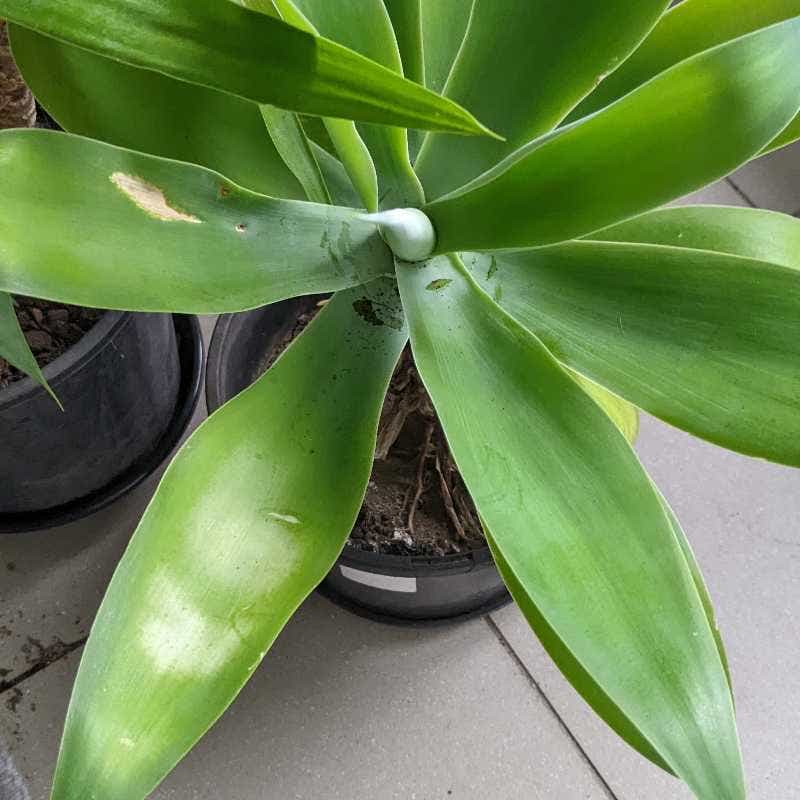
Root rot can be a sneaky problem for your spineless agave. Look out for yellowing leaves, wilting, and mushy roots as key indicators.
Discoloration is another telltale sign. Dark spots or browning edges on leaves often signal that something's amiss.
How to Check for Root Rot (Visual Inspection) 🔍
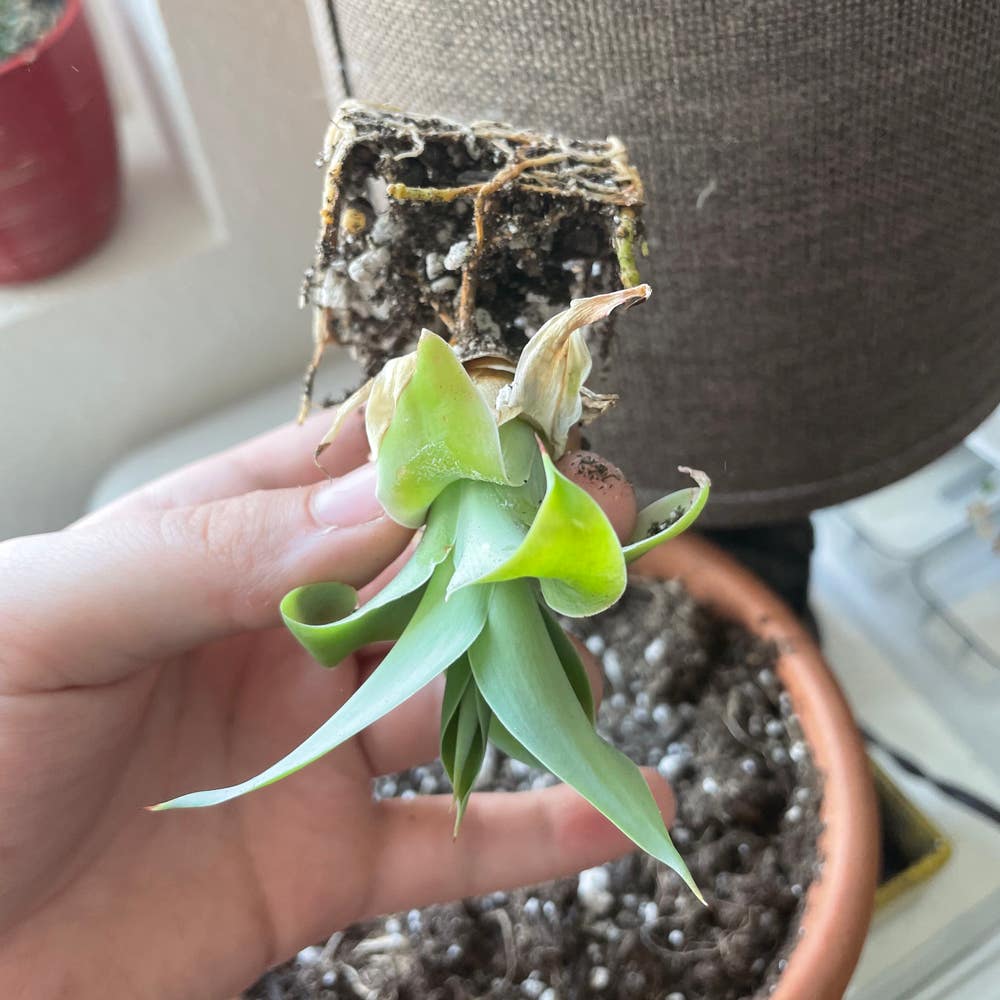
To confirm root rot, start with a careful inspection. Gently remove the plant from its pot, taking care not to damage the roots.
Next, inspect the root system closely. Look for color and texture changes, and be alert for any foul odors that indicate decay.
Distinguishing Root Rot from Other Plant Issues 🕵️♂️
It's crucial to differentiate root rot from other plant problems. Compare symptoms to identify whether you're dealing with pest damage or nutrient deficiencies.
Assessing root health is your primary diagnostic tool. Healthy roots are firm and white, while unhealthy ones will be dark and mushy.
By understanding these signs, you can take timely action to save your plant. Now that you know how to diagnose root rot, let’s move on to treating it effectively.
Treating Root Rot
Step-by-Step Treatment Process
Removing the Plant from the Pot 🌱
- Carefully loosen the soil around the edges to minimize stress on the roots.
- Gently lift the plant from the pot, ensuring you avoid any further damage.
Inspecting and Trimming Affected Roots ✂️
- Identify any black, mushy roots; these are signs of decay and should be cut away with sterilized scissors.
- Leave healthy, firm roots intact, as they are crucial for the plant's recovery.
Choosing the Right Soil Mix 🌾
- Opt for a well-draining cactus or succulent mix to promote healthy root growth.
- Consider adding perlite or sand to enhance drainage and prevent future issues.
Repotting Techniques 🪴
- Select a pot with drainage holes to allow excess water to escape.
- Fill the bottom with fresh soil mix, creating a solid base for your plant.
- Position the plant in the center and fill in around the roots, ensuring it remains stable.
Recommended Fungicides or Treatments 🧴
- Familiarize yourself with the types of fungicides available: systemic fungicides work from within the plant, while contact fungicides act on the surface.
- Always follow label instructions for effective application and to ensure the safety of your plant.
By following these steps, you can effectively treat root rot and give your spineless agave a chance to thrive again. Next, we’ll explore how to prevent root rot from occurring in the first place.
Preventing Root Rot
🌊 Best Practices for Watering
To keep your spineless agave thriving, allow the soil to dry out completely between waterings. Overwatering can lead to yellowing leaves and a mushy texture, signaling trouble.
🧪 Importance of Soil Drainage
Choosing the right soil mix is crucial. Opt for a blend designed for succulents to enhance drainage and prevent water accumulation.
🪴 Choosing the Right Pot
The pot you select plays a significant role in moisture retention. Terracotta pots are great for allowing evaporation, while plastic pots can retain more moisture.
Ensure the pot is not too large; a snug fit helps prevent excess soil moisture, which can lead to root rot.
🍂 Seasonal Care Tips
Adjust your watering routine in winter, reducing frequency during the plant's dormancy period. Keep an eye on humidity and temperature to create an optimal environment for your agave.
By following these preventive measures, you can significantly reduce the risk of root rot and promote a healthy, vibrant plant. Next, we’ll explore how to monitor your plant's health post-treatment to ensure it continues to thrive.
Monitoring Plant Health Post-Treatment
🌱 Signs of Recovery
After treating root rot, keep an eye out for signs of recovery. Fresh leaves emerging from your spineless agave indicate that the plant is bouncing back.
Additionally, check the roots during your inspections. Firm, white roots are a positive sign, showing that your plant is regaining its health.
🔍 Ongoing Care to Prevent Recurrence
Regular monitoring is crucial to prevent root rot from returning. Keep track of moisture levels and the overall condition of your plant.
Adjust your care practices as needed. Tweaking your watering schedule and soil choices based on how your plant responds can make a significant difference.
🆘 When to Seek Professional Help
Sometimes, root rot can be severe, and DIY methods may not suffice. Recognizing when your plant's condition is beyond your control is essential.
If you find yourself in this situation, don’t hesitate to consult local nurseries or plant specialists. Their expertise can provide valuable insights and solutions tailored to your plant's needs.
By staying vigilant and proactive, you can help your spineless agave thrive and enjoy its beauty for years to come.
⚠️ Safety First
This content is for general information and may contain errors, omissions, or outdated details. It is not medical, veterinary advice, or an endorsement of therapeutic claims.
Always consult a qualified healthcare professional before using any plant as food, medicine, or supplement.
Never eat any plant (or feed one to pets) without confirming its identity with at least two trusted sources.
If you suspect poisoning, call Poison Control (800) 222-1222, the Pet Poison Helpline (800) 213-6680, or your local emergency service immediately.
Spotted an error? Please report it here.
Revive your spineless agave from root rot with proactive care 🌱—let Greg guide you with tailored watering reminders and soil tips for thriving plants!