🐛 What's Eating Your Spineless Agave
Agave attenuata
By the Greg Editorial Team
Oct 09, 2024•6 min read
This article was created with the help of AI so we can cover more plants for you. May contain errors. See one? Report it here.
- 🌵 Spineless Agave attracts herbivores like deer, rabbits, and squirrels due to its tenderness.
- 🦌 Identify damage: Look for hoof prints, cut leaves, or frayed edges for signs.
- 🚫 Deterrents like fencing and repellents can protect your Spineless Agave from hungry animals.
Description and Appeal
Appearance 🌵
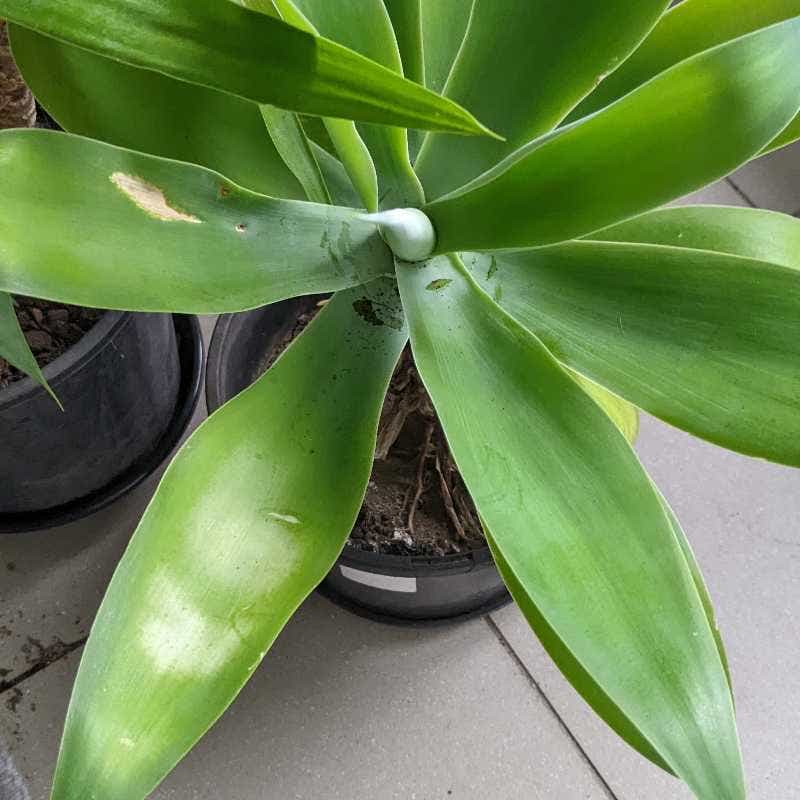
The Spineless Agave boasts a striking rosette shape, characterized by its thick, fleshy leaves. This unique structure not only enhances its visual appeal but also makes it easier to handle, as it lacks the sharp spines found on other agave varieties.
Typically, these plants reach a height and spread of about 3 to 5 feet, making them a substantial yet manageable addition to any garden. Their robust form adds a touch of elegance, drawing the eye and inviting admiration.
Most Appealing Parts to Animals 🐾
Young shoots are particularly enticing to herbivores, offering tender, moisture-rich foliage that’s hard to resist.
During blooming seasons, the flowers become a focal point, attracting various animals with their nectar-rich offerings. Additionally, the fruits of the Spineless Agave are sweet and nutritious, making them a favorite among many herbivores seeking a tasty snack.
In summary, the Spineless Agave's combination of appealing appearance and delectable parts makes it a magnet for both admiration and appetite in the animal kingdom.
As we explore the common herbivores that are drawn to this plant, it’s essential to understand how to protect your agave from potential damage.
Common Herbivores
🦌 Deer
Signs of Presence and Damage
Deer are notorious for their appetite for Spineless Agave. Look for irregularly shaped edges on leaves and missing foliage, which indicate browsing activity. You might also spot hoof prints in muddy areas nearby, confirming their presence.
Interaction Type
Deer interactions are generally harmful. They can severely damage or even kill your beloved plant.
Deterrent Methods (difficulty: moderate)
To keep deer at bay, consider using commercial deer repellents. Alternatively, you can plant deer-resistant companion plants or scatter human hair and soap shavings around the area.
🐇 Rabbits
Signs of Presence and Damage
Rabbits leave their mark with cleanly cut leaves and stems, often at a 45-degree angle. You might also find small, round droppings near the base of the plant.
Interaction Type
Like deer, rabbits are generally harmful. Their feeding habits can lead to significant damage to your Spineless Agave.
Deterrent Methods (difficulty: easy)
Bitter-tasting sprays can serve as effective chemical deterrents against rabbits. For a more organic approach, consider erecting a fence that stands 2-3 feet high or using repellents like cayenne pepper.
🐿️ Squirrels
Signs of Presence and Damage
Squirrels are sneaky little creatures. Look for gnaw marks on leaves and stems, which appear as irregular holes and frayed edges. You may also find nesting materials like twigs and leaves collected nearby.
Interaction Type
Squirrels can be generally harmful. Their activity can weaken the plant and make it susceptible to disease.
Deterrent Methods (difficulty: moderate)
Squirrel repellents can help deter these critters. Additionally, motion-activated sprinklers or planting squirrel-resistant plants can provide organic solutions.
🐦 Birds
Signs of Presence and Damage
Birds can be both a blessing and a curse. Look for peck marks on flowers and fruits, which indicate they’ve been feasting. Nesting activity, evidenced by twigs and debris around the plant, is another sign.
Interaction Type
Birds are generally beneficial. They can act as pollinators, aiding in the reproduction of your Spineless Agave.
Deterrent Methods (difficulty: easy)
To manage birds, consider using non-toxic bird repellents. Scare tactics like reflective tape or wind chimes can also be effective.
🐭 Rodents
Signs of Presence and Damage
Rodents can wreak havoc on your Spineless Agave. Look for chewed leaves and stems, which will show irregular holes and frayed edges. You might also find small burrows nearby.
Interaction Type
Rodents are generally harmful. Their feeding can lead to significant plant damage.
Deterrent Methods (difficulty: moderate)
Using rodent repellents can help keep these pests away. Organic methods like traps or planting mint and other deterrent herbs nearby can also be effective.
🦡 Groundhogs
Signs of Presence and Damage
Groundhogs leave distinctive signs of their presence. Look for large bites taken from leaves and stems, characterized by rounded cuts. You may also find large burrows near the base of the plant.
Interaction Type
Groundhogs are generally harmful. They can decimate populations of Spineless Agave if left unchecked.
Deterrent Methods (difficulty: hard)
Commercial groundhog repellents can be effective. For a more organic solution, consider fencing that stands at least 3 feet high and is buried 1 foot underground.
Understanding these common herbivores and their interactions with your Spineless Agave is crucial for effective plant care. By employing the right deterrent methods, you can protect your plant and enjoy its beauty for years to come.
Next, let’s explore the beneficial animals that can play a positive role in your garden ecosystem.
Beneficial Animals and Ecological Role
🐝 Animals Attracted
Spineless Agave isn't just a feast for herbivores; it also attracts a variety of beneficial animals. Pollinators like bees and butterflies are drawn to its vibrant flowers, playing a crucial role in the plant's reproduction.
Birds also find a haven in the Spineless Agave. They feed on its seeds and fruits, helping with seed dispersal and contributing to the plant's lifecycle.
🌱 Positive Impacts
The presence of these animals enhances biodiversity in your garden. By attracting beneficial insects and birds, Spineless Agave supports a thriving ecosystem.
Moreover, it plays a vital role in local food webs. The plant provides habitat and food sources, fostering a balanced environment that benefits all species involved.
In summary, while some animals may pose a threat to your Spineless Agave, many others contribute positively to its growth and the surrounding ecosystem. Understanding this balance can help you appreciate the plant's role in nature even more.
As we explore protection strategies next, consider how to safeguard your Spineless Agave while still welcoming its beneficial visitors.
Protection Strategies
🛡️ Preventive Measures
Fencing is one of the most effective ways to protect your Spineless Agave from larger herbivores. Installing barriers at least 3 feet high can deter deer and other animals from accessing your plants.
Companion planting is another smart strategy. By choosing plants that naturally repel herbivores, you can create a protective environment for your agave.
⚠️ Reactive Solutions
Regular monitoring is crucial for early detection of animal damage. Keep an eye out for signs like chewed leaves or droppings near your plants.
When you notice any signs of damage, take immediate action. Applying deterrents promptly can help minimize further harm to your agave.
🌱 Seasonal Variations
During blooming seasons, your Spineless Agave will attract more herbivores due to its flowers and fruits. Be extra vigilant during this time, as the allure of nectar can draw in a variety of animals.
In winter months, activity may decrease, but hungry animals can still pose a threat. Stay prepared to protect your plants even when it seems quiet outside.
By implementing these protection strategies, you can enjoy the beauty of your Spineless Agave while minimizing the risk of damage from herbivores. Next, let’s explore the toxicity and safety considerations associated with this fascinating plant.
Toxicity and Safety
⚠️ Toxic Effects
Spineless Agave contains saponins and oxalates, which can be toxic to animals. If ingested, these compounds may lead to gastrointestinal upset and lethargy.
🧤 Safety Considerations
When handling Spineless Agave, it's wise to wear gloves to avoid skin irritation. Additionally, educate family and visitors about the plant's potential toxicity to ensure everyone's safety.
By taking these precautions, you can enjoy your agave while keeping both people and pets safe.
⚠️ Safety First
This content is for general information and may contain errors, omissions, or outdated details. It is not medical, veterinary advice, or an endorsement of therapeutic claims.
Always consult a qualified healthcare professional before using any plant as food, medicine, or supplement.
Never eat any plant (or feed one to pets) without confirming its identity with at least two trusted sources.
If you suspect poisoning, call Poison Control (800) 222-1222, the Pet Poison Helpline (800) 213-6680, or your local emergency service immediately.
Spotted an error? Please report it here.
Safeguard your Spineless Agave from hungry herbivores 🦌 with Greg's custom alerts and tips that ensure your plant flourishes in a critter-free environment!