🌵 Understanding Brown Spots on Your Spineless Agave Leaves
Agave attenuata
By the Greg Editorial Team
Oct 09, 2024•5 min read
This article was created with the help of AI so we can cover more plants for you. May contain errors. See one? Report it here.
- 🌞 Brown spots arise from stress: overwatering, underwatering, or sunburn can cause issues.
- 🌱 Nutrient deficiencies in nitrogen and potassium lead to discoloration. Balanced fertilization is key.
- 🐛 Pests and diseases like mealybugs and fungi can worsen brown spots. Regular inspections help.
Causes of Brown Spots
🌍 Environmental Stress
Overwatering
Overwatering is a common culprit behind brown spots on your spineless agave. Symptoms include yellowing leaves and a mushy texture, indicating that the roots are drowning.
Poor soil drainage exacerbates this issue, leading to root rot. Ensuring your plant has well-draining soil can make all the difference.
Underwatering
On the flip side, underwatering can also cause distress. Look for signs like wrinkled leaves and dry tips, which signal that your agave is thirsty.
Maintaining consistent moisture levels is crucial for your plant's health. A little attention goes a long way in keeping your agave thriving.
☀️ Sunburn
Symptoms
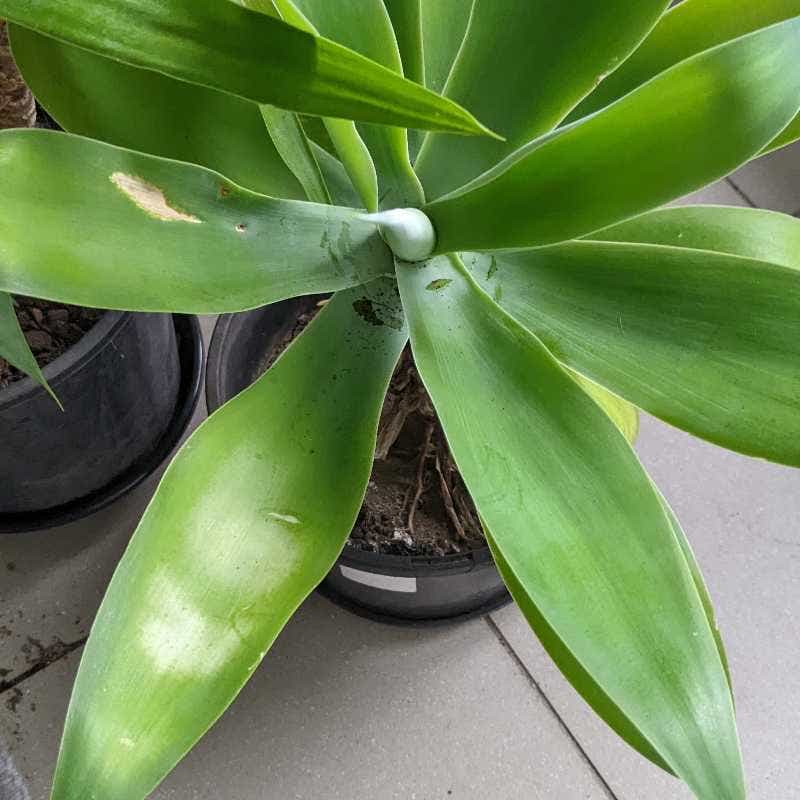
Sunburn manifests as brown, crispy patches on the edges of leaves. This often occurs when your agave is exposed to excessive direct sunlight.
Causes and Mitigation
To prevent sunburn, gradually acclimatize your plant to sunlight. This simple step can protect your agave from harsh rays and keep it looking vibrant.
🥦 Nutrient Deficiencies
Common Deficiencies
Nutrient deficiencies, particularly in nitrogen and potassium, can lead to brown spots. If you notice general leaf discoloration alongside these spots, your plant may be lacking essential nutrients.
Importance of Balanced Fertilization
Balanced fertilization is key to preventing these issues. Regularly feeding your agave ensures it receives the nutrients it needs to flourish.
Understanding these causes is the first step in addressing brown spots on your spineless agave. Next, we'll explore how to diagnose the problem effectively.
Diagnosing the Problem
🌡️ Environmental Factors
Temperature extremes can wreak havoc on your spineless agave. High heat often leads to stress, resulting in unsightly leaf burn, while cold drafts can cause frost damage that’s just as detrimental.
Humidity levels also play a crucial role. Low humidity contributes to leaf stress, making your agave more susceptible to various issues.
🐞 Common Pests
Mealybugs are one of the most common pests you'll encounter. You can identify them by their cotton-like masses on the leaves, which indicate sap-sucking activity that weakens the plant.
Scale insects are another culprit. They appear as hard, shell-like bumps on leaves and cause similar damage, leading to discoloration and overall decline.
🦠 Infections
Fungal infections can manifest as dark brown spots surrounded by a yellow halo. Leaf spot fungi are particularly notorious for this, and they can spread quickly if not addressed.
Bacterial infections present a different challenge. Symptoms include water-soaked lesions and a foul odor, signaling the need for immediate action. Proper watering techniques and sanitation are essential to prevent these infections from taking hold.
Understanding these diagnostic factors is key to maintaining a healthy spineless agave. With this knowledge, you can take proactive steps to ensure your plant thrives, setting the stage for effective treatment options.
Treatment Options
Step-by-Step Guide 🌱
- Identify the cause of brown spots. Understanding the root issue is crucial for effective treatment.
- Adjust watering schedule based on environmental conditions. This is an easy step that can significantly improve your plant's health.
- Remove affected leaves using sterilized tools. This moderate difficulty task helps prevent the spread of disease.
- Apply appropriate fungicides or insecticides as needed. This step also falls under moderate difficulty but is essential for tackling pests and infections.
Recommended Products 🛒
- Fungicides: Look for copper-based or sulfur-based options to combat fungal issues effectively.
- Insecticides: Neem oil or insecticidal soap can help manage pest problems without harming your plant.
- Soil amendments: Incorporate perlite or sand to improve drainage and prevent root rot.
Natural Remedies 🌿
- Neem oil spray: This natural solution is effective against both pests and fungal infections, making it a versatile choice.
- Diluted hydrogen peroxide: Use this to treat root rot and fungal issues, offering a gentle yet effective remedy.
By following these treatment options, you can restore your spineless agave to its vibrant self. Next, let’s explore preventive measures to keep your plant healthy and thriving.
Preventive Measures
Best Practices for Watering 🌊
Watering your spineless agave correctly is crucial. Allow the soil to dry out completely between waterings to prevent root rot.
Deep watering is key. This technique encourages robust root growth, ensuring your plant thrives.
Importance of Soil Drainage 🕳️
Choosing the right soil mix can make all the difference. A cactus mix or well-draining potting soil is highly recommended for optimal health.
Don't overlook the container choice. Always opt for pots with drainage holes to prevent water accumulation, which can lead to serious issues.
Sunlight Requirements ☀️
Your agave loves sunlight! Aim for 6-8 hours of direct sunlight daily to keep it happy and healthy.
During peak sun hours, consider using shade cloth. This simple measure can protect your plant from excessive heat and sunburn.
By following these preventive measures, you can significantly reduce the risk of brown spots on your spineless agave. Next, let’s explore how to monitor and maintain your plant for ongoing health.
Monitoring and Maintenance
Regular Inspection 🌿
To keep your spineless agave healthy, conduct weekly checks for discoloration or pests. Early detection is crucial; catching issues before they escalate can save your plant from serious damage.
Seasonal Care Adjustments 🌦️
As seasons change, so should your care routine. In winter, reduce watering frequency to prevent root rot, and remember to fertilize monthly during the growing season to support growth.
When to Seek Help 🚑
Be vigilant for signs of severe infestation or disease, such as extensive leaf damage or persistent brown spots. If you notice these issues, don’t hesitate to consult a plant care specialist for advanced treatment options.
By staying proactive with monitoring and maintenance, you can ensure your spineless agave thrives year-round. Next, let’s explore preventive measures to keep your plant in top shape.
⚠️ Safety First
This content is for general information and may contain errors, omissions, or outdated details. It is not medical, veterinary advice, or an endorsement of therapeutic claims.
Always consult a qualified healthcare professional before using any plant as food, medicine, or supplement.
Never eat any plant (or feed one to pets) without confirming its identity with at least two trusted sources.
If you suspect poisoning, call Poison Control (800) 222-1222, the Pet Poison Helpline (800) 213-6680, or your local emergency service immediately.
Spotted an error? Please report it here.
Identify and treat those pesky brown spots on your spineless agave with Greg's tailored care tips 🌱, ensuring your plant thrives in its environment!