Ultimate Guide to Propagating Spineless Agave 🌵
Agave attenuata
By the Greg Editorial Team
Oct 09, 2024•3 min read
This article was created with the help of AI so we can cover more plants for you. May contain errors. See one? Report it here.
- 🌱 Offsets are the best way to propagate spineless agave, especially in spring.
- ✂️ Cut and callous offsets for 1-2 days before planting to prevent rot.
- 💧 Avoid overwatering; it's a leading cause of propagation failure.
Propagation Methods
🌱 Offsets Propagation
Identifying offsets
Offsets are small rosettes that emerge from the base of the spineless agave. You'll typically notice them best in spring and early summer, making this the perfect time for propagation.
Timing for separation
Aim to separate offsets when they are at least 6 inches tall. Warmer months are ideal for this process, ensuring the best chance of success.
Step-by-step separation process
- Prepare tools: Use a clean, sharp knife or spade.
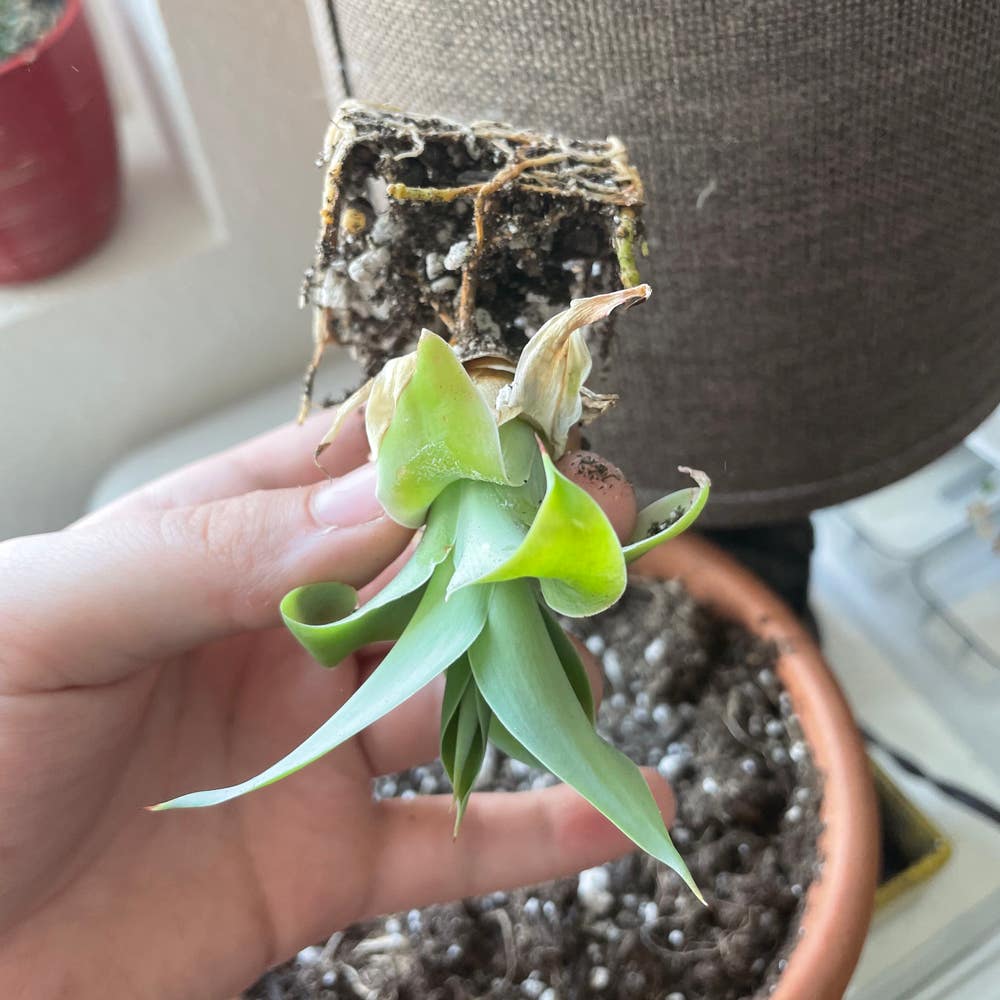
- Gently dig around the offset: This exposes the roots without damaging them.
- Cut the offset from the main plant: Ensure some roots remain attached.
- Allow the cut surface to callous: Let it sit for 1-2 days before planting.
Planting offsets
For planting, use a well-draining cactus mix or a custom blend of sand and potting soil. Plant the offset just below the surface, ensuring the roots are covered, and water lightly to settle the soil. Avoid watering for 1-2 weeks to allow the plant to adjust.
🍃 Leaf Cuttings Propagation
Selecting healthy leaves
Choose firm, plump leaves that are free from blemishes. Aim for leaves that are 6-8 inches long for optimal rooting.
Preparing leaf cuttings
Use a clean knife to slice the leaves into sections of 2-3 inches long. Allow the cuttings to dry for 1-3 days in a shaded area to promote callousing.
Rooting process for leaf cuttings
- Prepare a shallow container: Fill it with well-draining soil.
- Insert cuttings upright: Bury the cut end into the soil.
- Water lightly: Cover with a plastic bag to maintain humidity.
- Monitor for root development: This process typically takes 4-6 weeks.
Transplanting rooted cuttings
Look for signs of successful rooting, such as new growth and resistance when gently tugged. When ready, transplant into individual pots filled with cactus mix and water sparingly until established.
🌱 Seed Propagation
Collecting seeds
Collect seeds after flowering, when the seed pods turn brown. Gently shake or cut the pods to release the seeds.
Germination process
- Prepare a seed tray: Fill it with a well-draining mix.
- Scatter seeds on the surface: Lightly cover them with soil.
- Water gently: Cover with plastic to maintain humidity.
- Germination time: Expect 2-4 weeks under optimal conditions.
Care for seedlings
Provide bright, indirect sunlight to prevent scorching. Keep the soil slightly moist but not soggy, and transplant seedlings when they reach 2-3 inches tall.
🐛 Common Challenges in Propagating
Pests and diseases
Watch out for common pests like mealybugs and aphids. Regular inspection and using insecticidal soap can help prevent infestations.
Overwatering issues
Signs of overwatering include yellowing leaves and mushy roots. Ensure proper drainage and adjust your watering frequency to avoid these problems.
Signs of unsuccessful propagation
Indicators of failure include wilting, discoloration, or lack of root development. Assess your care conditions and make necessary adjustments.
💡 Success Tips and Best Practices
Monitoring progress
Regularly check your plants for signs of growth or distress. Adjust your care routine based on their response to ensure healthy development.
Adjusting care based on propagation method
Different propagation methods require tailored care. For example, leaf cuttings may need higher humidity levels compared to offsets.
Common mistakes to avoid
Overwatering is the leading cause of propagation failure. Additionally, neglecting light requirements can hinder growth, so ensure your plants receive adequate exposure.
With these methods and tips, you're well on your way to successfully propagating spineless agave. Next, let's explore the common challenges you might face during this rewarding process.
⚠️ Safety First
This content is for general information and may contain errors, omissions, or outdated details. It is not medical, veterinary advice, or an endorsement of therapeutic claims.
Always consult a qualified healthcare professional before using any plant as food, medicine, or supplement.
Never eat any plant (or feed one to pets) without confirming its identity with at least two trusted sources.
If you suspect poisoning, call Poison Control (800) 222-1222, the Pet Poison Helpline (800) 213-6680, or your local emergency service immediately.
Spotted an error? Please report it here.
Propagate your spineless agave like a pro 🌵 with Greg's tailored care reminders and expert tips that ensure your new plants thrive from the start!