🌡 Good Temperature Range for Your Spineless Agave
Agave attenuata
By the Greg Editorial Team
Oct 09, 2024•4 min read
This article was created with the help of AI so we can cover more plants for you. May contain errors. See one? Report it here.
- 🌡️ Spineless Agave thrives between 70°F to 90°F (21°C to 32°C) for optimal growth.
- ❄️ Brief cold spells down to 20°F (-6°C) are tolerable, but avoid prolonged exposure.
- 💧 Moist soil is crucial during heat; check regularly to prevent dehydration.
Temperature Needs
Optimal Temperature Range 🌡️
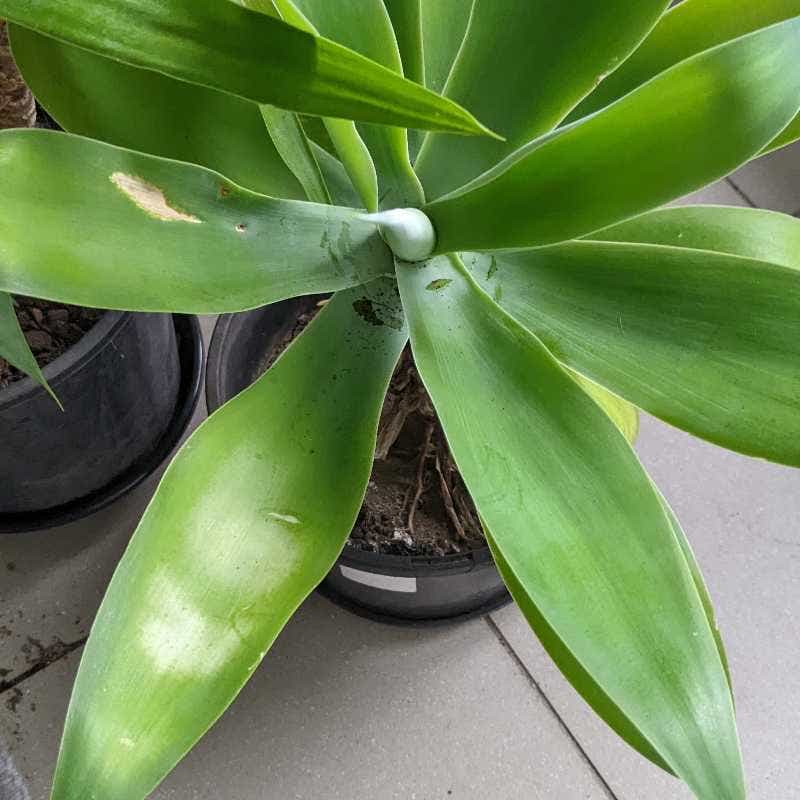
Spineless Agave flourishes in a cozy temperature range of 70°F to 90°F (21°C to 32°C). This succulent loves warm, dry climates, making it perfectly suited for arid regions where it can soak up the sun.
For optimal photosynthesis and growth, maintaining these temperatures is crucial. When conditions are just right, your Spineless Agave will thrive, showcasing its stunning foliage.
Temperature Tolerance Levels ❄️
While Spineless Agave prefers warmth, it can handle some cold. It can withstand temperatures as low as 20°F (-6°C) for short periods, but prolonged exposure can be harmful.
On the flip side, it can endure heat up to 100°F (38°C), provided the soil remains adequately moist. Well-draining soil is essential to prevent root rot during these temperature extremes, ensuring your plant stays healthy and vibrant.
Understanding these temperature needs will help you create the ideal environment for your Spineless Agave, setting the stage for its growth and resilience. Next, let’s explore the signs of temperature stress that can affect your plant.
Temperature Stress
Signs of Temperature Stress 🌡️
Temperature stress can manifest in several ways. Look out for leaf discoloration, where tips may turn yellow or brown, signaling distress.
Wilting is another clear sign; if your Spineless Agave's leaves appear limp or droopy, it’s time to take action.
You might also notice growth stunting, characterized by a reduced growth rate or a lack of new leaves. Lastly, premature leaf drop can occur, indicating that the plant is struggling to cope with its environment.
Causes of Temperature Stress 🔍
Understanding the causes of temperature stress is crucial for prevention. Sudden temperature fluctuations can shock your plant, making it vulnerable to damage.
Prolonged exposure to frost is another culprit, as extended cold periods can harm leaf tissues. Additionally, excessive heat without adequate moisture can lead to dehydration, putting your Spineless Agave at risk.
By recognizing these signs and causes, you can better care for your plant and ensure it thrives in its environment. Next, let’s explore how geographic considerations impact the growth and survival of Spineless Agave.
Geographic Considerations
🌍 Hardiness Zones
Spineless Agave thrives best in USDA hardiness zones 9-11. These zones encompass regions with warm climates, making places like Southern California and Arizona ideal for cultivating this resilient plant.
🌡️ Regional Temperature Variations
Temperature ranges can vary significantly across different geographic locations. Understanding these variations is crucial, as local climates directly influence the growth and survival of Spineless Agave.
In some areas, you might experience milder winters, while others face harsher conditions. This can affect how well your agave adapts and flourishes.
By knowing your specific climate, you can better tailor your care routine to ensure your Spineless Agave thrives.
As you consider planting, keep in mind how your local environment shapes the plant's needs and resilience.
This knowledge sets the stage for effective temperature management, which we'll explore next.
Seasonal Temperature Changes
Summer Heat Considerations 🌞
Managing high summer temperatures is crucial for the health of your Spineless Agave. One effective strategy is to provide partial shade during the hottest parts of the day, which can help prevent leaf scorch.
Soil moisture retention becomes vital during peak heat. Regularly check the soil and ensure it remains adequately moist, as this will support the plant's resilience against extreme temperatures.
Winter Cold Considerations ❄️
When winter arrives, protective measures are essential for your Spineless Agave. Consider using mulch around the base to insulate the roots and shield them from frost.
Location and microclimates play a significant role in winter survival. Placing your agave in a sheltered spot can make a world of difference, allowing it to thrive even during cold snaps.
By understanding these seasonal temperature changes, you can better care for your Spineless Agave and ensure its long-term health. Next, let’s explore how geographic considerations impact its growth and survival.
Brief Mention of Humidity
🌬️ Humidity's Role
Humidity plays a crucial role in the health of your Spineless Agave. Low humidity can intensify heat stress, making it harder for the plant to thrive in high temperatures.
💧 Soil Moisture Importance
Maintaining adequate soil moisture is essential for supporting temperature resilience. This helps the plant cope with heat and prevents dehydration, ensuring your agave remains vibrant and healthy.
By understanding the interplay between humidity and temperature, you can create a more favorable environment for your Spineless Agave. This knowledge will set you up for success as you navigate the challenges of seasonal changes.
⚠️ Safety First
This content is for general information and may contain errors, omissions, or outdated details. It is not medical, veterinary advice, or an endorsement of therapeutic claims.
Always consult a qualified healthcare professional before using any plant as food, medicine, or supplement.
Never eat any plant (or feed one to pets) without confirming its identity with at least two trusted sources.
If you suspect poisoning, call Poison Control (800) 222-1222, the Pet Poison Helpline (800) 213-6680, or your local emergency service immediately.
Spotted an error? Please report it here.
Keep your Spineless Agave thriving 🌵 by using Greg to monitor soil moisture and get timely reminders, ensuring it stays happy in its perfect temperature range!