Best Practices for Planting Spineless Agave 🌵
Agave attenuata
By the Greg Editorial Team
Oct 09, 2024•4 min read
This article was created with the help of AI so we can cover more plants for you. May contain errors. See one? Report it here.
- 🌱 Planting spineless agave in spring ensures optimal growth and establishment conditions.
- 🌞 Well-draining soil and spacing are crucial for healthy spineless agave development.
- 🚨 Monitor for transplant shock and pests to maintain plant health post-transplant.
Planting vs. Transplanting Spineless Agave
🌱 Benefits and Drawbacks
Planting New Spineless Agave
Planting new spineless agave can be a rewarding experience. It’s cost-effective, giving you control over soil quality and spacing, which can lead to faster establishment.
However, this approach comes with its challenges. You’ll face a longer time to maturity and the need for more initial care to ensure the plants thrive.
Transplanting Established Spineless Agave
On the flip side, transplanting established spineless agave offers immediate visual impact. These plants come with an established root system, making them more resilient right off the bat.
Yet, this method isn’t without risks. There’s a chance of transplant shock, and relocating the plant can lead to damage if not done carefully.
Understanding these benefits and drawbacks will help you make an informed decision about whether to plant new or transplant established spineless agave. Next, let’s dive into the key steps for planting new spineless agave.
Key Steps for Planting New Spineless Agave
🌱 Optimal Timing
The best time to plant spineless agave is in spring or early summer. During this period, temperatures are warm but not excessively hot, which is ideal for growth.
Consider your local climate carefully. Avoid planting during extreme heat or frost, as these conditions can hinder establishment.
🪴 Soil Mix and Containers
For optimal growth, use a well-draining soil mix. A cactus mix or a blend of sand, perlite, and potting soil works wonders for spineless agave.
If you're planting in pots, choose containers with drainage holes. This helps prevent waterlogging, which can be detrimental to your plant.
📏 Depth and Spacing
When planting, ensure the depth is the same as it was in the nursery container. This consistency helps the plant adjust more easily.
Space your agave plants 3-5 feet apart. This allows for ample growth and air circulation, promoting healthier plants.
💧 Maintaining Ideal Conditions
After planting, water the agave thoroughly. Then, allow the soil to dry out before watering again to prevent root rot.
Consider using gravel or coarse mulch around the base. This helps retain moisture while ensuring proper drainage, creating a balanced environment for your agave.
🌞 Hardening Off Process
Before planting outdoors, gradually acclimate your spineless agave to its new environment. Spend 1-2 weeks introducing it to outdoor conditions, which helps reduce stress and promotes healthy growth.
By following these steps, you'll set your spineless agave up for success. Next, let’s explore the key steps for transplanting established spineless agave, ensuring they thrive in their new location.
Key Steps for Transplanting Established Spineless Agave
Optimal Timing 🌱
Transplanting your spineless agave is best done in late spring to early summer. This timing coincides with the plant's active growth phase, ensuring a smoother transition.
Avoid transplanting during extreme weather conditions, as stress can hinder recovery.
Step-by-Step Instructions 🌿
Removing the Plant
- Water the plant a day before transplanting to reduce stress on the roots.
- Dig around the root zone, ensuring you keep as much soil intact as possible.
- Gently lift the plant from the ground, taking care not to damage the roots.
Preparing the New Site 🏡
- Select a well-draining location that receives full sun exposure.
- If needed, amend the soil to enhance drainage and nutrient content.
Placement and Spacing 📏
- Position the plant at the same depth it was previously growing.
- Maintain spacing of 3-5 feet apart from other plants to allow for future growth.
Tips for Care 💧
After transplanting, water lightly to help the plant settle in, then let the soil dry out.
Applying a thin layer of gravel mulch can help retain moisture while suppressing weeds, creating an ideal environment for your agave to thrive.
With these steps, your spineless agave will have the best chance to flourish in its new home. Next, let’s explore how to troubleshoot common issues that may arise during the establishment phase.
Troubleshooting Common Issues
🌱 Identifying Transplant Shock
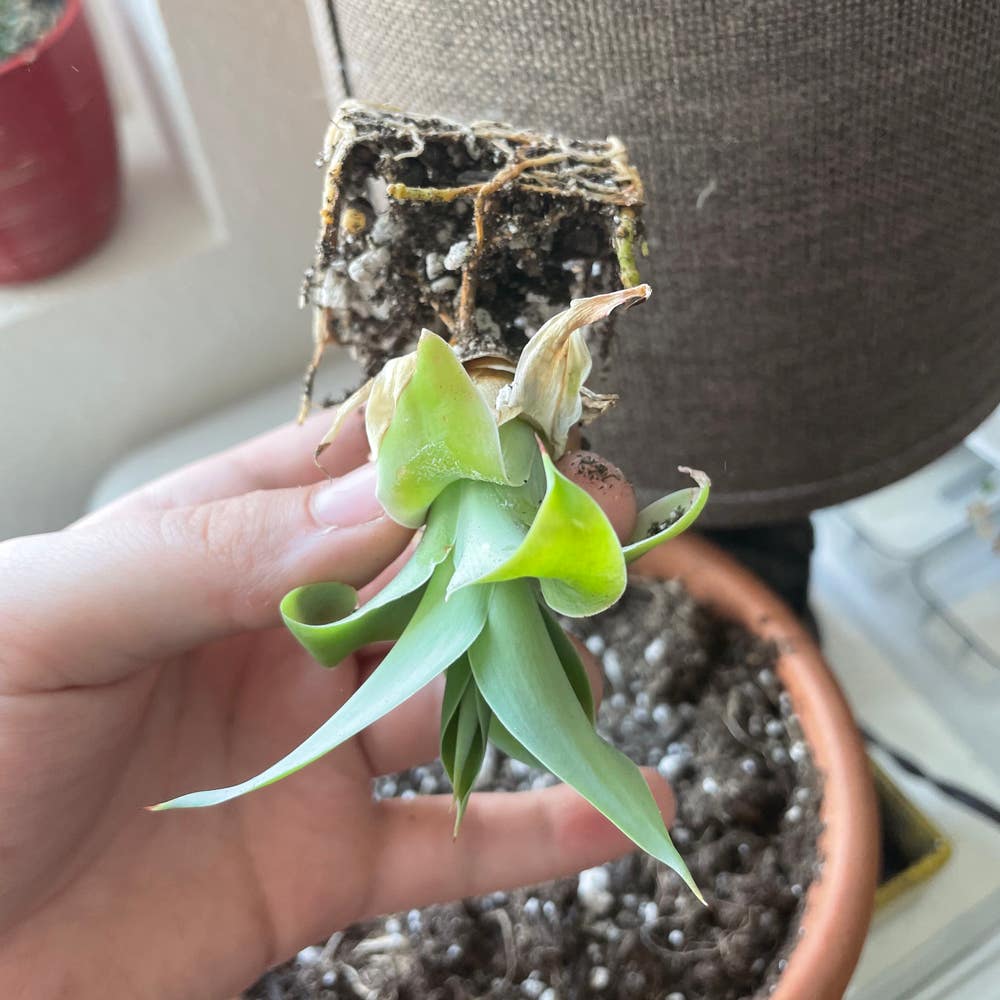
Transplant shock can be a real concern for your spineless agave. Look out for symptoms like wilting, yellowing leaves, and stunted growth.
To combat this, ensure you're watering properly. Avoid fertilizing immediately after transplanting to give your plant a chance to recover.
🏡 Addressing Establishment Problems
Establishment issues can arise if your agave isn't settling in well. Start by checking for drainage problems; standing water can be detrimental.
Also, keep an eye out for pests that might be lurking. Regular monitoring can help catch issues early.
🐛 Common Pests and Diseases
Your spineless agave can face threats from pests like the agave snout weevil and mealybugs. These pests can cause significant damage if not addressed promptly.
Root rot is another concern, often stemming from overwatering. To prevent these issues, maintain proper care practices and inspect your plants regularly.
With these tips, you can ensure your spineless agave thrives in its new home. Next, let’s explore how to keep your agave healthy and vibrant!
⚠️ Safety First
This content is for general information and may contain errors, omissions, or outdated details. It is not medical, veterinary advice, or an endorsement of therapeutic claims.
Always consult a qualified healthcare professional before using any plant as food, medicine, or supplement.
Never eat any plant (or feed one to pets) without confirming its identity with at least two trusted sources.
If you suspect poisoning, call Poison Control (800) 222-1222, the Pet Poison Helpline (800) 213-6680, or your local emergency service immediately.
Spotted an error? Please report it here.
Transform your garden with thriving spineless agave 🌵 by using Greg's personalized care tips and reminders to ensure they flourish in their new homes!