🌵 Ultimate Guide to Spineless Agave Varieties
Agave attenuata
By the Greg Editorial Team
Oct 09, 2024•6 min read
This article was created with the help of AI so we can cover more plants for you. May contain errors. See one? Report it here.
- 🌵 Spineless agave varieties are low-maintenance, perfect for diverse landscapes and aesthetics.
- 🌈 Unique colors and sizes of spineless agave enhance garden design and focal points.
- ☀️ Proper care ensures vibrant growth; well-draining soil and sunlight are essential.
Popular Spineless Agave Cultivars
🌿 Agave americana 'Mediopicta'
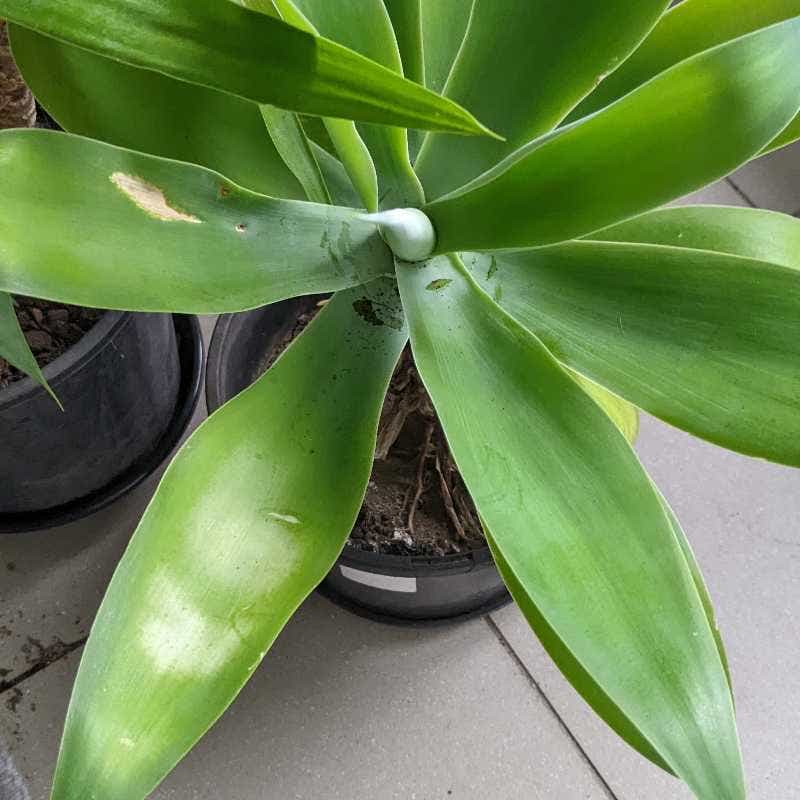
Agave americana 'Mediopicta' is a stunning cultivar known for its creamy white margins that beautifully contrast with its green centers. This medium to large agave typically reaches heights of 3-4 feet, making it a striking addition to any landscape.
The broad, smooth leaves of 'Mediopicta' exhibit a slight twist, adding to its unique aesthetic. This cultivar not only catches the eye but also thrives in various environments, making it a favorite among gardeners.
🌈 Agave americana 'Variegata'
Next up is Agave americana 'Variegata', which showcases a striking combination of yellow and green variegation. This cultivar can grow impressively, reaching up to 6 feet tall and wide, making it a standout feature in any garden.
Its thick, fleshy leaves form a prominent rosette, providing both visual interest and structural integrity. 'Variegata' is perfect for those looking to add a bold statement to their outdoor space.
🌀 Agave parryi 'Truncata'
Finally, we have Agave parryi 'Truncata', a smaller yet equally captivating cultivar. With blue-green leaves and a compact growth habit, it typically stands at just 1-2 feet in height.
The short, rounded leaves give 'Truncata' a unique, truncated appearance that sets it apart from other varieties. This agave is ideal for smaller gardens or as a striking container plant.
These popular spineless agave cultivars each bring their own charm and character to the landscape. As we explore their unique characteristics, you'll see how they can enhance your gardening experience.
Unique Characteristics of Each Cultivar
Color Variations 🌈
Spineless Agave cultivars showcase a stunning range of colors. You’ll find vibrant greens, soothing blue-greens, and eye-catching variegated patterns that can elevate any landscape.
The color of these plants isn't just for show; it plays a crucial role in landscape design. Choosing the right hue can create focal points or blend harmoniously with other plants.
Size Differences 📏
When it comes to size, Spineless Agave cultivars vary significantly. Some are compact, perfect for smaller spaces, while others can grow impressively large, making a bold statement in your garden.
Consider your available space carefully. A large variety may overwhelm a small area, while a compact cultivar can fit snugly into tight spots.
Leaf Structure and Texture 🍃
The leaf structure of Spineless Agave cultivars adds another layer of uniqueness. You’ll encounter smooth leaves that exude elegance and textured leaves that offer a rugged charm.
This difference in texture impacts how you handle and care for them. Smooth leaves are easier to manage, while textured varieties may require a bit more attention during maintenance.
With these unique characteristics in mind, you can make informed choices that enhance your garden's beauty and functionality. Next, let's explore the rare and hybrid varieties that add even more diversity to the Spineless Agave family.
Rare and Hybrid Varieties
Description of Rare Spineless Agave 🌵
Rare spineless agave varieties are true gems in the world of succulents. Their unique characteristics often set them apart from more common cultivars.
- Distinct Features: These varieties may exhibit unusual leaf shapes, striking colors, or compact growth habits that make them highly sought after by collectors.
- Examples: One notable example is Agave victoria-reginae, known for its stunning geometric rosettes and white markings. Another is Agave potatorum, which features a more delicate, soft appearance with a unique twist in its leaves.
Notable Hybrid Varieties 🌈
Hybrid agave varieties bring a fresh twist to traditional species. These hybrids often combine the best traits of their parent plants, resulting in unique appearances and growth habits.
- Unique Traits: Hybrids can exhibit enhanced resilience, unusual color patterns, or even faster growth rates compared to pure species.
- Examples: Agave x 'Blue Glow' is a popular hybrid that showcases vibrant blue-green leaves with striking red margins. Another example is Agave x 'Sharkskin', known for its rugged texture and compact form, making it a favorite for smaller gardens.
These rare and hybrid varieties not only add diversity to your collection but also spark curiosity and admiration among enthusiasts. As you explore the fascinating world of spineless agave, you'll find that each cultivar has its own story to tell, enriching your gardening experience.
Next, we’ll delve into how these cultivars compare to their species counterparts, focusing on growth habits and distinctive features.
Comparison of Cultivars to Species Plant
Differences in Growth Habits 🌱
When comparing spineless agave cultivars to the species Agave americana, growth patterns reveal fascinating distinctions. Cultivars often exhibit varied rates of growth and maturity, with some maturing faster than others.
Adaptability is another key factor. While Agave americana thrives in diverse environments, certain cultivars may prefer specific conditions, making them more suitable for particular landscapes.
Distinctive Features of Cultivars vs. Species 🌼
The appearance of spineless agave cultivars can differ significantly from their species counterparts. Leaf shape, color, and size variations are prominent, with cultivars showcasing unique traits that enhance their aesthetic appeal.
Additionally, flowering patterns can vary widely. Some cultivars may bloom at different times or exhibit distinctive flowering characteristics, adding another layer of interest to their care and cultivation.
This exploration of growth habits and distinctive features sets the stage for understanding the special care requirements that each variety demands.
Special Care Requirements for Specific Varieties
💧 Watering Needs
Proper watering is essential for the health of Spineless Agave varieties. Generally, these plants prefer infrequent but deep watering, allowing the soil to dry out between sessions.
For smaller cultivars, like Agave parryi 'Truncata', water every 2-3 weeks during the growing season. Larger varieties, such as Agave americana 'Variegata', may need watering once a week, especially in hotter climates.
☀️ Sunlight Preferences
Sunlight is crucial for vibrant growth in Spineless Agave. Most cultivars thrive in full sun, which encourages robust leaf development and striking colors.
However, some varieties can tolerate partial shade, particularly in extremely hot regions. Always consider your local climate when deciding on the best placement for your agave.
🌱 Soil Types for Different Cultivars
The right soil can make all the difference for your Spineless Agave. These plants prefer well-draining soil to prevent root rot, which can be a common issue.
A sandy or gravelly mix is ideal, with a pH level between 6.0 and 7.0. For potting mixes, consider adding perlite or pumice to enhance drainage, ensuring your agave thrives in its environment.
With these care requirements in mind, you'll be well on your way to cultivating healthy and stunning Spineless Agave varieties. Next, let’s explore the unique characteristics that set each cultivar apart.
⚠️ Safety First
This content is for general information and may contain errors, omissions, or outdated details. It is not medical, veterinary advice, or an endorsement of therapeutic claims.
Always consult a qualified healthcare professional before using any plant as food, medicine, or supplement.
Never eat any plant (or feed one to pets) without confirming its identity with at least two trusted sources.
If you suspect poisoning, call Poison Control (800) 222-1222, the Pet Poison Helpline (800) 213-6680, or your local emergency service immediately.
Spotted an error? Please report it here.
Transform your garden with stunning spineless agave varieties 🌵 and let Greg provide custom care tips to ensure your plants flourish effortlessly!