🌵 Spineless Agave Wilting? Here's What to Do
Agave attenuata
By the Greg Editorial Team
Oct 09, 2024•6 min read
This article was created with the help of AI so we can cover more plants for you. May contain errors. See one? Report it here.
- 💧 Wilting leaves indicate water stress; check for underwatering or overwatering issues.
- ☀️ Heat and sunlight exposure can scorch leaves; provide shade during peak hours.
- 🌱 Monitor soil moisture and environmental conditions to maintain Spineless Agave health.
Common Causes of Wilting Leaves
💧 Water Stress
Wilting leaves on your Spineless Agave often signal water stress. Symptoms include drooping leaves, dry tips, and discoloration.
Underwatering
Infrequent watering can lead to dehydration. If the soil is dry and the leaves are drooping, your plant is likely thirsty.
Overwatering
Conversely, overwatering saturates the soil, causing root rot. This prevents the plant from absorbing water, leading to similar wilting symptoms.
🔥 Heat Stress
Heat stress is another common culprit behind wilting. Symptoms include leaf curling, browning edges, and wilting, especially during peak sunlight hours.
Excessive Sunlight
Direct sunlight without adequate hydration can scorch your plant. If your agave is exposed to intense sun, it may struggle to cope.
Temperature Fluctuations
Sudden temperature changes or extreme heat waves can also stress your plant. Keeping an eye on the weather can help you manage these fluctuations.
🦠 Disease-Related Wilting
While disease-related wilting is generally uncommon in Spineless Agave, it can happen. Potential diseases include fungal infections, which are rare but can occur in overly damp conditions.
Pathogenic Wilt
Pathogenic wilt is unlikely but possible. It requires specific conditions to manifest, so it's essential to monitor your plant's environment closely.
Understanding these common causes is the first step in addressing wilting leaves. Next, we'll explore how to diagnose the issue effectively.
Diagnosing Wilting
🕵️♂️ Step-by-Step Guide
Assess Soil Moisture: Start by checking the top 2 inches of soil. If it's dry, your plant may need water; if it's soggy, you might be overwatering.
Examine Environmental Conditions: Look at the light exposure and temperature around your Spineless Agave. Sudden changes can stress the plant.
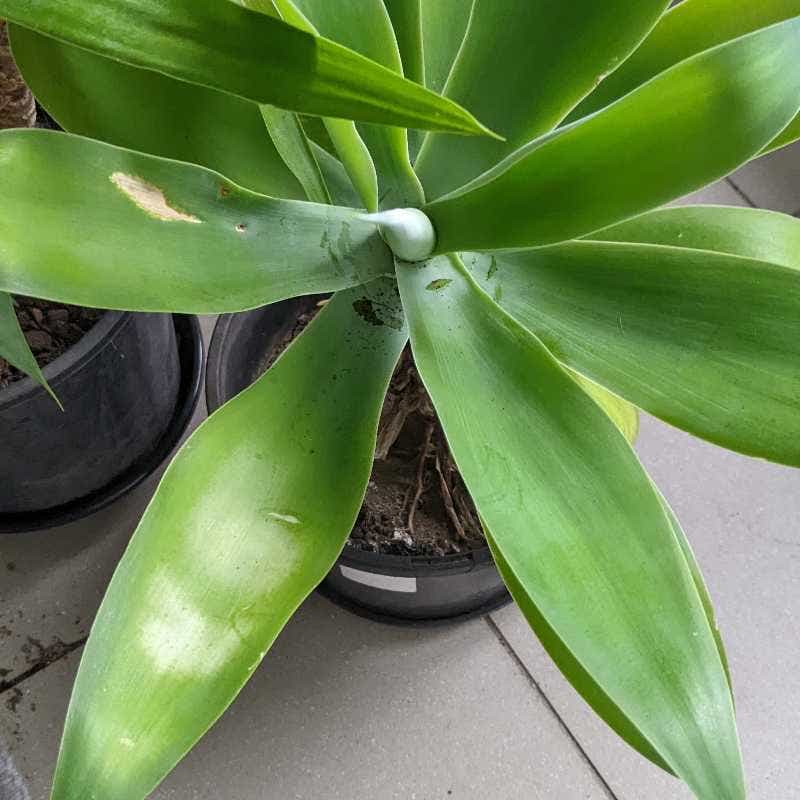
Inspect Leaves: Check for discoloration, curling, or browning. These signs can indicate underlying issues.
Check for Pests or Diseases: Inspect the base of the plant and the undersides of leaves. Look for any signs of infestation that could be causing the wilting.
🔍 Signs to Look for
Leaf Texture: Soft, mushy, or shriveled leaves can signal a problem. Healthy leaves should feel firm and resilient.
Color Changes: Yellowing or browning at the tips and edges often points to stress. Pay attention to these color shifts.
Growth Patterns: Stunted growth or a lack of new leaves can indicate that your plant is struggling. A thriving plant should show signs of new growth regularly.
By carefully diagnosing these aspects, you can pinpoint the cause of your Spineless Agave's wilting. This understanding will guide you toward effective solutions, ensuring your plant can thrive once again. Next, let’s explore practical solutions for addressing these wilting issues.
Solutions for Wilting Leaves
🌊 Addressing Water Stress
Water stress is a common culprit behind wilting leaves.
For underwatering, give your Spineless Agave a good soak until excess water drains from the bottom. This simple action can quickly revive your plant.
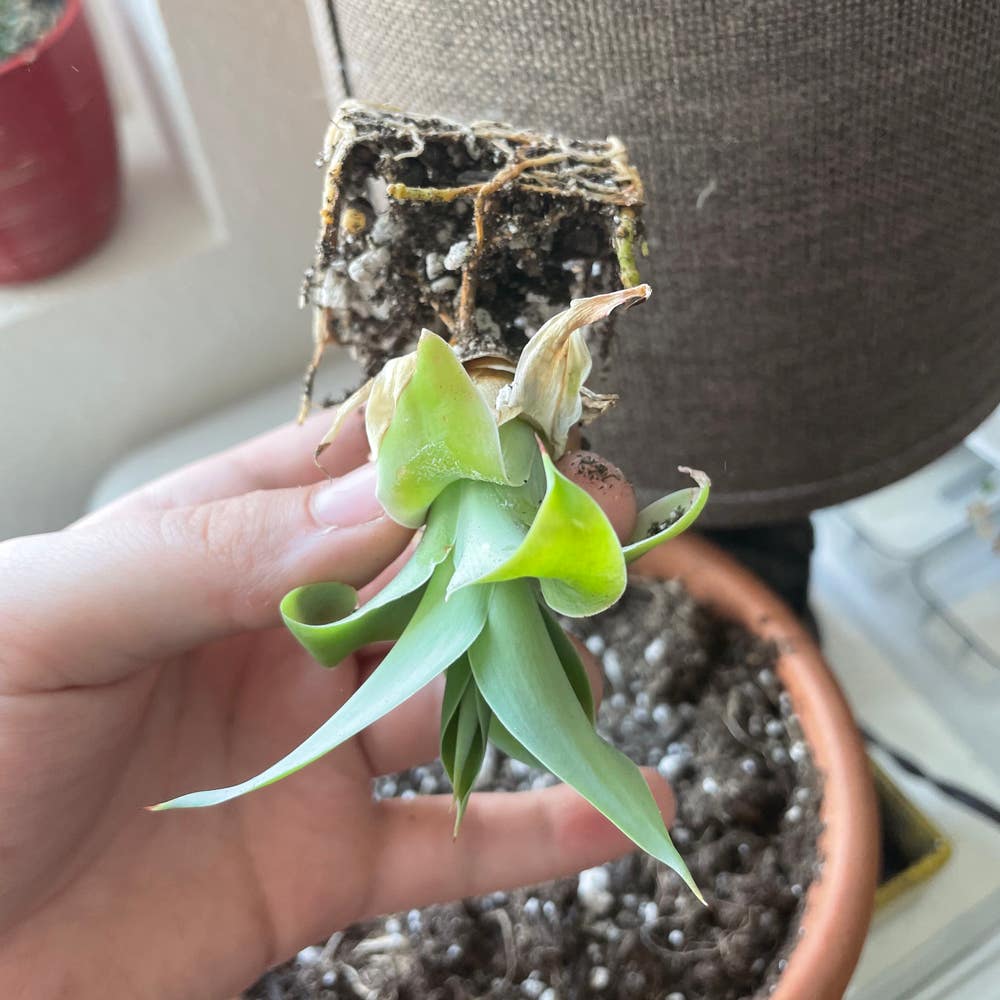
If overwatering is the issue, allow the soil to dry out completely before watering again. If you suspect root rot, consider repotting in well-draining soil to help your plant recover.
☀️ Managing Heat Stress
Heat stress can also lead to wilting.
To combat this, relocate your plant to a shaded area during peak heat hours. This small change can make a big difference in keeping your agave hydrated.
Additionally, ensure your plant is well-hydrated before and during heat waves. A little extra care can go a long way.
🦠 Solutions for Disease-Related Wilting
Though rare, disease can cause wilting in Spineless Agave.
If you suspect a fungal infection, remove any affected leaves and improve air circulation around the plant. This helps prevent further spread.
If necessary, use fungicides according to the package instructions. Always follow guidelines for the best results.
🌱 Techniques for Reviving a Wilted Plant
Reviving a wilted plant can be straightforward.
Bottom watering: Place the pot in a shallow tray of water for 30 minutes. This method allows the soil to absorb moisture from the bottom up.
Temporary relocation: Move your plant to a cooler, shaded area for a few days to help it recover.
Pruning: Remove any severely damaged leaves to encourage new growth. This not only improves appearance but also promotes overall health.
With these solutions, your Spineless Agave can bounce back from wilting.
Next, let’s explore preventive measures to keep your plant thriving in the long run.
Preventive Measures
Best Practices 🌱
Establishing a consistent watering schedule is crucial for your Spineless Agave. Adjust your routine based on seasonal changes to ensure your plant receives the right amount of moisture.
Choosing the right soil is equally important. A well-draining cactus mix prevents water retention, which can lead to root rot and other issues.
Environmental Considerations 🌤️
Keep an eye on temperature and humidity levels, especially during seasonal transitions. Sudden changes can stress your plant, making it more susceptible to wilting.
Avoid abrupt shifts in light exposure. Gradually acclimating your plant to new lighting conditions helps it adapt without causing undue stress.
By following these preventive measures, you can create a thriving environment for your Spineless Agave, reducing the risk of wilting and ensuring its long-term health. Next, let’s explore when it might be time to seek help for your plant.
When to Seek Help
Signs Indicating Need for Assistance 🌱
If your Spineless Agave is still wilting after you've followed all care guidelines, it might be time to seek help. Persistent wilting can indicate deeper issues that require professional intervention.
Look out for severe pest infestations or diseases that you can't manage on your own. If you notice unusual spots, excessive leaf drop, or a rapid decline in plant health, don’t hesitate to reach out for support.
Resources 📚
Local nurseries are a great first stop. They often have knowledgeable staff who can provide expert advice and diagnostics tailored to your specific plant issues.
Consider consulting with plant experts, such as horticulturists or extension services, for more in-depth guidance. They can offer insights that go beyond basic care.
Online communities, like Greg, are also valuable resources. Engaging with fellow plant enthusiasts can provide you with tips and support from those who have faced similar challenges.
By knowing when to seek help and where to find it, you can ensure your Spineless Agave gets the care it needs to thrive. Now, let’s explore some preventive measures to keep your plant healthy and vibrant!
⚠️ Safety First
This content is for general information and may contain errors, omissions, or outdated details. It is not medical, veterinary advice, or an endorsement of therapeutic claims.
Always consult a qualified healthcare professional before using any plant as food, medicine, or supplement.
Never eat any plant (or feed one to pets) without confirming its identity with at least two trusted sources.
If you suspect poisoning, call Poison Control (800) 222-1222, the Pet Poison Helpline (800) 213-6680, or your local emergency service immediately.
Spotted an error? Please report it here.
Revive your wilting Spineless Agave by mastering its care needs with Greg's custom watering reminders 💧 and tap into our vibrant community for support on your journey to thriving plants!