🌵 Spineless Agave: Not an Annual
Agave attenuata
By the Greg Editorial Team
Oct 09, 2024•5 min read
This article was created with the help of AI so we can cover more plants for you. May contain errors. See one? Report it here.
- 🌵 Spineless Agave is a perennial, thriving for decades in arid environments.
- 💧 Its rosette shape retains water, making it ideal for drought-tolerant gardens.
- 🌞 Requires full sun and well-drained soil for optimal growth and health.
Spineless Agave as a Perennial
🌱 Genetic Characteristics
Spineless Agave, scientifically known as Agave americana var. marginata, is a fascinating member of the agave family. Its genetic makeup equips it with remarkable traits that enhance drought tolerance and longevity.
🌵 Physiological Traits Supporting Perennial Classification
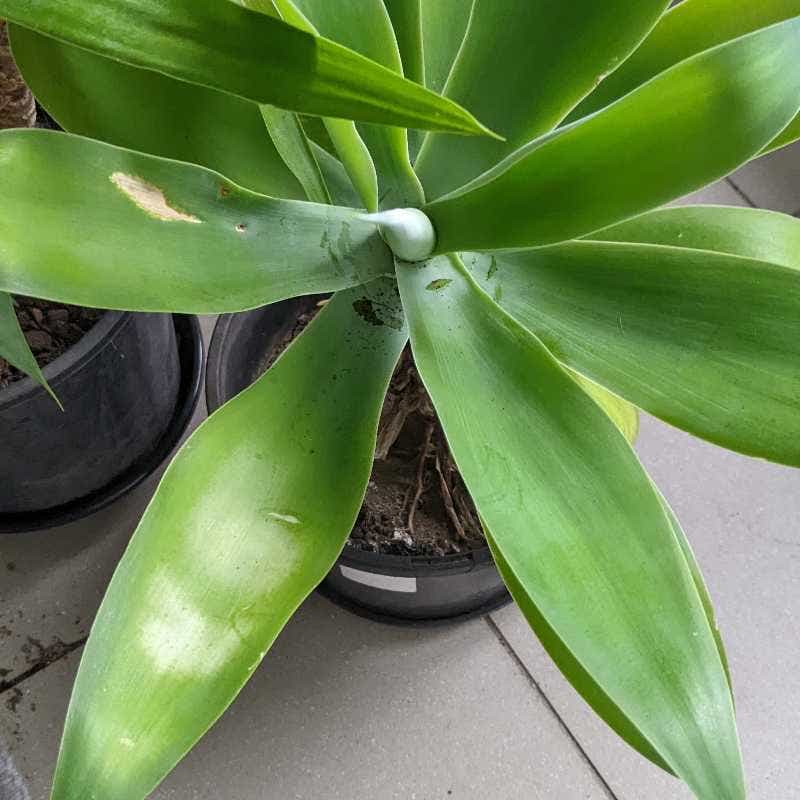
One of the most striking features of Spineless Agave is its rosette shape. This unique structure allows the plant to efficiently retain water, making it well-suited for arid environments.
Additionally, the absence of spines is a significant adaptation. Without spines, the plant conserves energy and resources, allowing it to thrive in harsh conditions.
⏳ Long-Term Lifecycle and Growth Patterns
Spineless Agave boasts an impressive lifespan, often living for several decades. This longevity is a hallmark of perennials, setting it apart from short-lived plants.
In terms of growth patterns, it starts slowly but eventually develops robustly. This gradual growth allows the plant to establish a strong foundation before reaching its full potential.
The Spineless Agave's unique characteristics and long-term growth patterns make it an exceptional choice for gardeners seeking resilient, low-maintenance plants. As we explore its lifecycle, we’ll uncover how it compares to true annuals.
Lifecycle Comparison
🌸 Flowering and Seed Production
The Spineless Agave boasts a striking flowering spike that can soar several feet high. This impressive display is not just for show; it represents a crucial part of its reproductive strategy.
Typically, flowering occurs after several years of growth, usually in late spring or summer. This delayed blooming is a hallmark of its perennial nature, allowing it to allocate resources effectively over time.
🔄 Differences in Lifecycle Between Spineless Agave and True Annuals
Unlike true annuals, which complete their lifecycle in a single season, the Spineless Agave thrives over multiple years. Its lifecycle spans several years, emphasizing its resilience and adaptability.
This extended duration allows the agave to invest energy in growth and survival, rather than rushing to reproduce. Such a strategy ensures it can withstand environmental challenges while establishing a robust presence in its habitat.
🌱 Reproductive Strategies
After flowering, the Spineless Agave produces seeds that are dispersed by the wind. This method of seed production enhances its chances of colonizing new areas.
In addition to seeds, the agave also generates offsets, commonly known as pups. These pups can be propagated, providing a reliable means of expanding its population and ensuring its legacy in the garden.
As we explore the regional variations and misconceptions surrounding the Spineless Agave, it’s essential to understand how its lifecycle influences its perception and care requirements.
Regional Variations and Misconceptions
🌱 Conditions Leading to Misclassification as an Annual
Spineless Agave often faces misclassification due to environmental stressors. Extreme cold or excessive moisture can lead to its perceived annual behavior, causing gardeners to mistakenly believe it cannot survive beyond a single season.
Another factor is the misunderstanding of its care requirements. Many people lack knowledge about its true perennial nature, leading to improper treatment that can hinder its growth and longevity.
🌍 Exceptions in Different Climates or Regions
Spineless Agave thrives in specific hardiness zones, particularly USDA zones 9-11. This adaptability allows it to flourish in warmer climates, where it can showcase its resilience.
Local climate plays a significant role in its growth and perception. In regions with harsher conditions, the plant may struggle, reinforcing misconceptions about its lifespan and classification. Understanding these regional variations is crucial for successful cultivation.
Garden Design Implications
🌵 Advantages in Perennial Planting
Spineless Agave is a champion of drought tolerance, making it perfect for xeriscaping and low-water gardens. This resilience means fewer replacements are needed compared to annuals, saving both time and money.
🌿 Tips for Integrating into Garden Design
For optimal growth, place Spineless Agave in full sun with well-drained soil. Consider companion planting with other drought-tolerant species to create a harmonious and sustainable garden ecosystem.
📅 Long-Term Planning for Perennial Gardens
When designing your garden, think about layering and spacing to maximize seasonal interest. Planning for growth and seasonal changes will ensure your garden remains vibrant and healthy year-round.
By incorporating Spineless Agave into your garden, you not only enhance its beauty but also contribute to a more sustainable landscape. This thoughtful approach sets the stage for a thriving, low-maintenance garden that flourishes over time.
Maximizing Longevity
Best Practices for Management 🌱
To ensure your Spineless Agave thrives, focus on its soil requirements. It prefers well-draining, sandy, or rocky soils that mimic its natural habitat.
Watering is another crucial factor. Adopt an infrequent, deep watering schedule to encourage robust root development, allowing the plant to access moisture efficiently.
Tips for Enhancing Growth and Health 🌿
When it comes to fertilization, less is more. Use minimal amounts of low-nitrogen fertilizers to avoid overwhelming the plant.
Pruning is essential for maintaining health. Regularly remove dead leaves to promote airflow and prevent disease.
Common Challenges and Solutions ⚠️
Pest management can be a concern. Stay vigilant by identifying and controlling common pests like mealybugs and aphids.
Disease prevention is equally important. Ensure proper drainage to avoid root rot, which can be detrimental to your agave's health.
By following these practices, you can maximize the longevity of your Spineless Agave, ensuring it remains a stunning feature in your garden for years to come. Next, let’s explore how to integrate this resilient plant into your garden design effectively.
⚠️ Safety First
This content is for general information and may contain errors, omissions, or outdated details. It is not medical, veterinary advice, or an endorsement of therapeutic claims.
Always consult a qualified healthcare professional before using any plant as food, medicine, or supplement.
Never eat any plant (or feed one to pets) without confirming its identity with at least two trusted sources.
If you suspect poisoning, call Poison Control (800) 222-1222, the Pet Poison Helpline (800) 213-6680, or your local emergency service immediately.
Spotted an error? Please report it here.
Nurture your Spineless Agave into a thriving centerpiece 🌵 with Greg's tailored care reminders that ensure it flourishes for decades to come!