10 Perfect Pot Styles for Spineless Agave 🪴
Agave attenuata
By the Greg Editorial Team
Oct 09, 2024•6 min read
This article was created with the help of AI so we can cover more plants for you. May contain errors. See one? Report it here.
- 🌱 Start seedlings in 4-6 inch pots for optimal root development.
- 🏺 Choose clay pots for breathability; avoid overly large pots to prevent root rot.
- 🔄 Repot in spring when growth slows; check roots for damage during the process.
Pot Sizes for Different Growth Stages
🌱 Recommended Pot Sizes for Seedlings
When starting spineless agave from seeds, choose a container size of 4-6 inches in diameter. This smaller size encourages root development, allowing seedlings to establish themselves effectively.
As your seedlings grow, they will need to transition to larger pots. This gradual increase in size supports healthy growth and prevents root crowding.
🌳 Ideal Pot Sizes for Mature Plants
For mature spineless agave, a pot size of 12-18 inches in diameter is recommended. This size provides ample space for the plant's roots to expand and thrive.
If you have larger specimens, consider pots that are 24 inches or more. Ensuring enough room for growth is crucial to avoid crowding, which can hinder the plant's health and vitality.
Transitioning from seedlings to mature plants involves careful consideration of pot size, ensuring your agave has the best environment for growth at every stage.
Materials for Pots
🌱 Benefits of Clay Pots
Clay pots are a gardener's best friend. They offer breathability, which allows air to circulate around the roots, promoting healthy growth.
These pots also excel in moisture regulation. They absorb excess water, preventing root rot and overheating, making them ideal for spineless agave. For optimal growth, consider unglazed clay pots, as they provide the best moisture balance.
🪴 Advantages of Plastic Pots
Plastic pots are lightweight and incredibly easy to handle. This makes them a practical choice, especially for larger plants that can be cumbersome to move.
They're also cost-effective, allowing you to invest in more plants without breaking the bank. While they retain moisture differently than clay, they can be a great option if you monitor watering closely.
🏺 Comparison of Other Materials
Ceramic pots offer a beautiful aesthetic but may lack some functionality. They can be heavy and less breathable, so consider them for decorative purposes rather than for optimal plant health.
Terracotta pots share some benefits with clay but can dry out quickly. They are great for plants that prefer drier conditions but may require more frequent watering.
Other materials like metal and wood can also be used, but they come with their own sets of challenges. Metal can heat up quickly, while wood may rot over time, so choose wisely based on your plant's needs.
In summary, selecting the right pot material is crucial for your spineless agave's health. Each option has its pros and cons, so weigh them carefully as you prepare for the next steps in your gardening journey.
Drainage Considerations
Importance of Drainage Holes 🌧️
Drainage holes are crucial for preventing water accumulation in your pots. Without them, excess moisture can lead to root rot, which is detrimental to your spineless agave.
For optimal performance, aim for at least three to four drainage holes, each about 1/2 inch in diameter. If you notice yellowing leaves or wilting, these are signs of inadequate drainage that need immediate attention.
How to Ensure Proper Drainage in Pots 🚰
To enhance drainage, consider adding materials like gravel or perlite at the bottom of your pot. This creates a barrier that allows excess water to escape while retaining some moisture for the roots.
Choosing the right potting mix is also essential. Look for mixes specifically designed for cacti and succulents, as they typically offer better drainage.
Regular maintenance is key to keeping drainage holes clear. Check them periodically for blockages and ensure they remain unobstructed to promote healthy plant growth.
With proper drainage in place, your spineless agave will thrive, setting the stage for the next steps in potting and care.
Repotting
Signs That It’s Time to Repot 🌱
Recognizing when to repot your spineless agave is crucial for its health. One clear indicator is root-bound conditions, where roots start emerging from the drainage holes.
Additionally, watch for changes in growth patterns. If your plant shows signs of stunted growth or wilting, it might be time for a new pot. The best timing for repotting is during spring or early summer, when the plant is actively growing.
Step-by-Step Guide to Repotting 🛠️
Repotting can seem daunting, but it’s straightforward. Follow these steps for a smooth transition:
- Gather necessary materials: a new pot, fresh potting mix, and your tools.
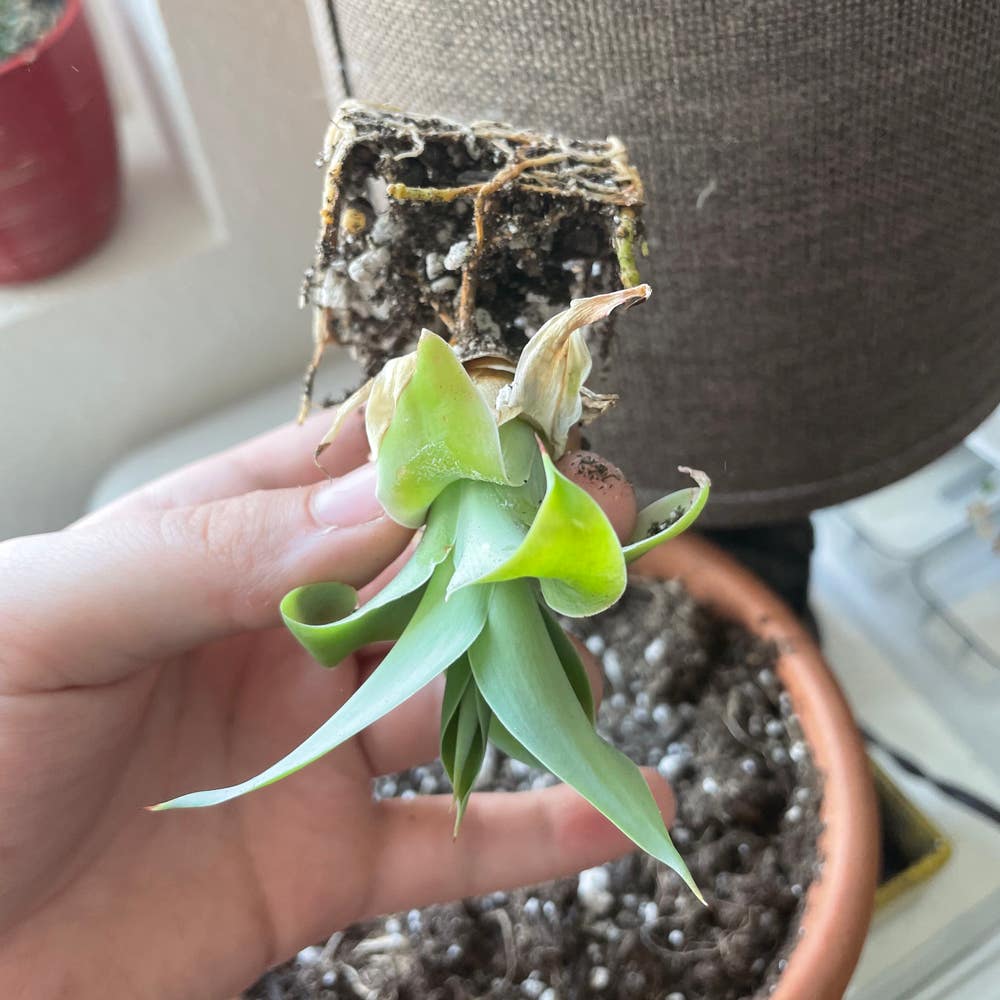
- Carefully remove the plant from its current pot, taking care not to damage the roots.
- Inspect the roots for any damage and trim them if necessary.
- Place the plant in the new pot and fill it with potting mix, ensuring it’s secure.
- Water thoroughly and allow it to drain properly.
Choosing the Right Pot When Repotting 🪴
Selecting the right pot is essential for your plant's future growth. Consider factors like size, material, and drainage.
Choose a pot that accommodates future growth to avoid frequent repotting. Transitioning from smaller to larger pots can be seamless if you keep these tips in mind. A well-chosen pot will set your spineless agave up for success.
As you prepare to repot, remember that the right conditions can make all the difference in your plant's health and vitality. Next, let’s explore common mistakes to avoid during the potting process.
Common Mistakes and Tips
🚫 Common Potting Mistakes to Avoid
Choosing the right pot is crucial for your spineless agave's health. One common mistake is using overly large pots, which can lead to excess moisture retention and root rot.
Another pitfall is ignoring drainage needs. Pots without drainage holes can trap water, creating a breeding ground for problems like yellowing leaves and stunted growth.
Lastly, selecting inappropriate materials can hinder your plant's development. Always consider the pot's material and its suitability for your agave.
🌱 Tips for Maintaining Healthy Pot Conditions
Regularly checking for root health is essential. Look for signs of overcrowding or damage, and ensure that drainage holes remain clear.
Adjust your watering frequency based on the pot material and size. Clay pots may require more frequent watering than plastic ones due to their moisture retention properties.
Finally, monitor your plant's growth closely. If you notice it outgrowing its pot, be ready to transition to a larger size to accommodate its needs.
By avoiding these common mistakes and following these tips, you can create a thriving environment for your spineless agave. Next, let's explore the importance of proper drainage in potting.
⚠️ Safety First
This content is for general information and may contain errors, omissions, or outdated details. It is not medical, veterinary advice, or an endorsement of therapeutic claims.
Always consult a qualified healthcare professional before using any plant as food, medicine, or supplement.
Never eat any plant (or feed one to pets) without confirming its identity with at least two trusted sources.
If you suspect poisoning, call Poison Control (800) 222-1222, the Pet Poison Helpline (800) 213-6680, or your local emergency service immediately.
Spotted an error? Please report it here.
Ensure your spineless agave flourishes by starting small and choosing the right pot, and let Greg guide you with custom watering reminders and expert tips for a thriving garden! 🌵