🌵 Ultimate Guide to Fixing Curling Leaves on Spineless Agave
Agave attenuata
By the Greg Editorial Team
Oct 09, 2024•6 min read
This article was created with the help of AI so we can cover more plants for you. May contain errors. See one? Report it here.
- 🌡️💧 Curling leaves indicate stress from temperature changes and low humidity.
- 🚫💦 Overwatering causes mushy leaves; adjust your watering schedule for healthier plants.
- 🐛🌱 Pests and nutrient deficiencies can lead to curling; inspect regularly and fertilize appropriately.
Causes of Curling Leaves
🌪️ Environmental Stress Factors
Temperature fluctuations can wreak havoc on spineless agave. These plants are particularly sensitive to extreme heat and cold, leading to curling leaves as they struggle to adapt.
Humidity levels also play a crucial role. Low humidity can exacerbate stress, causing the leaves to curl as the plant attempts to conserve moisture.
Wind exposure is another factor to consider. Strong winds can physically damage the leaves, resulting in curling and other stress symptoms.
💧 Watering Issues
Overwatering
Overwatering is a common culprit behind curling leaves. Symptoms include soft, mushy leaves, yellowing, and even root rot.
This issue often arises from poor drainage and excessive watering frequency. It's essential to ensure your agave is not sitting in soggy soil.
Underwatering
On the flip side, underwatering can lead to severe stress as well. Symptoms include dry, shriveled leaves and stunted growth.
This typically occurs due to infrequent watering and dry soil conditions. Finding the right balance is key to keeping your agave healthy.
🥦 Nutrient Deficiencies
Nutrient deficiencies can also cause curling leaves. A nitrogen deficiency often presents as yellowing leaves and stunted growth.
Magnesium deficiency leads to interveinal chlorosis, where the area between leaf veins turns yellow. Calcium deficiency can result in leaf curling and tip burn, further stressing the plant.
🐛 Pest Infestations
Common Pests
Pests can be a significant threat to your spineless agave. The agave weevil is notorious for causing wilting and leaf curling.
Mealybugs leave cotton-like masses on leaves, leading to additional stress. Spider mites create fine webbing and stippled leaves, making it crucial to inspect your plants regularly.
☀️ Sunburn and Light Exposure
Sunburn is another common cause of curling leaves. Symptoms include brown, crispy leaf edges and curling.
This often results from excessive direct sunlight, especially in indoor settings. Adjusting light exposure can help mitigate this issue and keep your agave thriving.
Understanding these causes is the first step in addressing curling leaves. By identifying the underlying issues, you can take effective action to restore your plant's health.
Diagnosing Curling Leaves
Identifying Symptoms 🌿
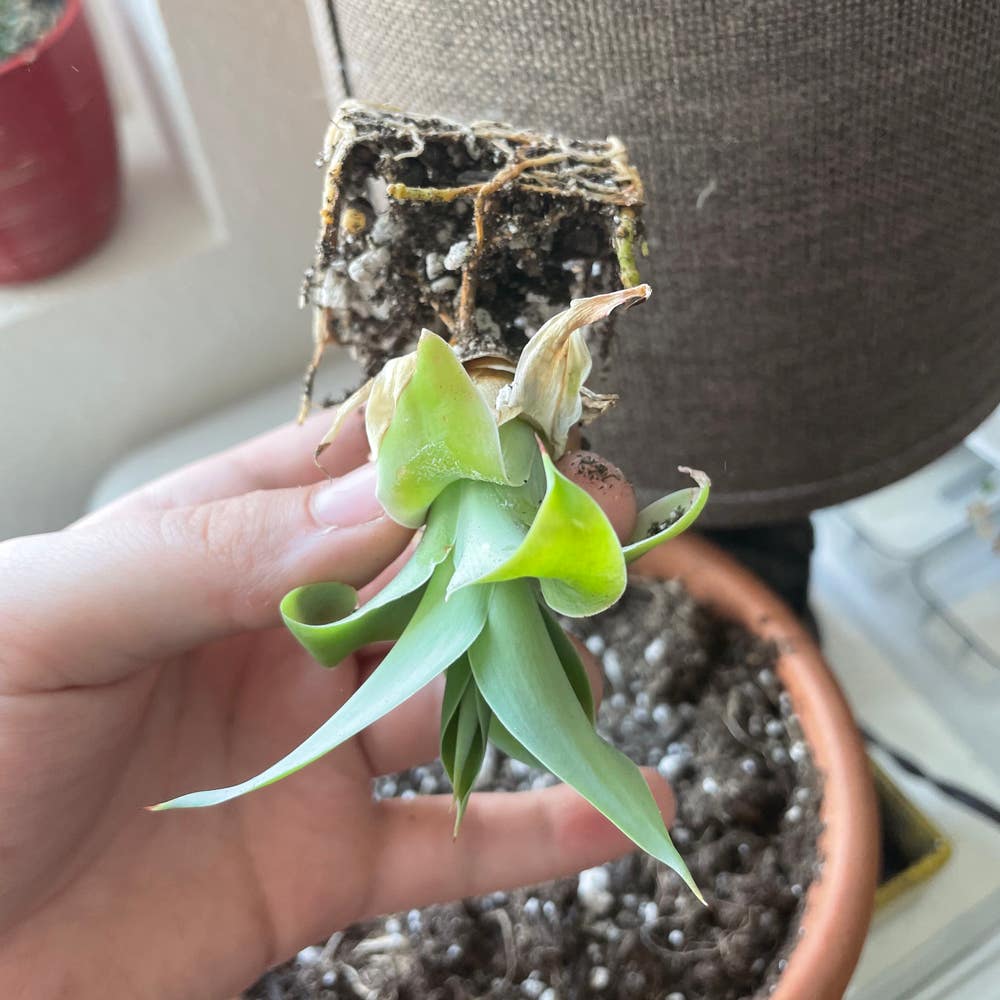
Curling leaves on your spineless agave can signal distress. Look for visual signs like curling edges, discoloration, and wilting.
Changes in leaf texture are also key indicators. Softness or dryness can hint at underlying issues that need addressing.
Differentiating Between Causes 🔍
To pinpoint the problem, observe whether pests are present or if environmental stress is at play. A close inspection can reveal whether the curling is due to critters or conditions.
Watering issues are another common culprit. Checking soil moisture levels and assessing root health can help clarify if overwatering or underwatering is the issue.
Visual Indicators of Health vs. Stress 🥬
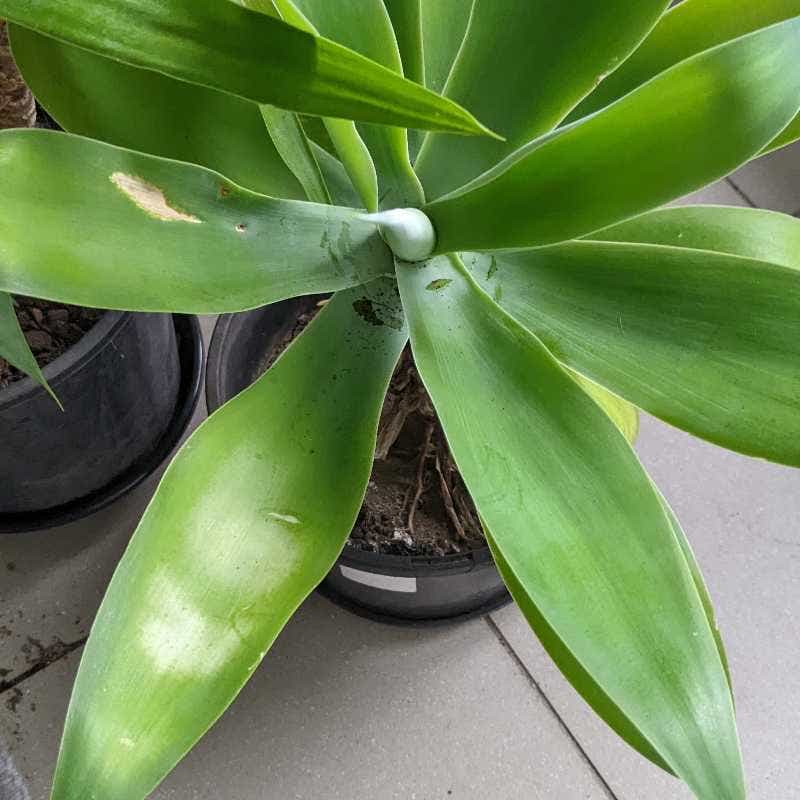
Healthy leaves are typically firm, vibrant in color, and free from curling. They should look robust and full of life.
In contrast, stressed leaves exhibit curling, discoloration, and visible damage. Recognizing these differences is crucial for timely intervention.
Understanding these symptoms and indicators will empower you to take the right steps in restoring your agave's health. Next, let’s explore effective treatment options for curling leaves.
Treating Curling Leaves
🌊 Step-by-Step Treatment for Overwatering
Assess Soil Moisture: Start by checking the moisture level in the soil. You can use a moisture meter or simply stick your finger into the soil to gauge its dampness.
Improve Drainage: If the soil feels overly wet, consider repotting your Agave in a well-draining soil mix. This helps prevent root rot and promotes healthier growth.
Adjust Watering Schedule: Allow the soil to dry out completely between waterings. This practice encourages strong root development and reduces the risk of overwatering.
💡 Adjusting Light Conditions
Indoor Care: If your Agave is indoors, move it to a spot with bright, indirect light. This helps prevent stress caused by insufficient light.
Outdoor Care: For outdoor plants, provide partial shade during peak sun hours. This shields them from excessive heat and sunburn.
🌱 Nutrient Supplementation Methods
Use Balanced Fertilizers: During the growing season, apply a diluted liquid fertilizer. This ensures your Agave receives essential nutrients for robust health.
Specific Nutrient Focus: If you notice specific deficiencies, consider incorporating magnesium or calcium supplements. These nutrients can target issues like leaf curling effectively.
🐞 Pest Control Measures
Organic Options
Neem Oil: Apply neem oil to affected areas to deter pests naturally. It’s a safe and effective way to protect your plant.
Insecticidal Soap: This is another safe option for Agave. It helps eliminate infestations without harming the plant.
Chemical Options
- Systemic Insecticides: Use these as a last resort for severe infestations. They can be effective but should be applied with caution.
By following these treatment steps, you can help your Spineless Agave recover from curling leaves. Next, let’s explore how to prevent these issues from arising in the first place.
Preventing Curling Leaves
💧 Best Practices for Watering
To keep your spineless agave thriving, focus on proper watering practices. Always allow the soil to dry out completely before rewatering to prevent over-saturation.
Water deeply but infrequently. This encourages robust root growth, ensuring your plant can access moisture effectively.
🌱 Ideal Soil Conditions
Choosing the right soil is crucial for your agave's health. Opt for a cactus or succulent mix, ideally with added perlite to enhance drainage.
Additionally, ensure your containers have drainage holes. This prevents water accumulation, which can lead to root rot.
📅 Seasonal Care Tips
Seasonal adjustments can make a significant difference in your plant's well-being. In winter, reduce watering and protect your agave from frost to avoid stress.
During the summer, provide shade during extreme heat. This helps prevent sunburn and keeps your plant happy.
🔍 Regular Inspection for Pests
Regular inspections are key to early pest detection. Schedule checks bi-weekly to catch any signs of pests or stress before they escalate.
Use a magnifying glass to inspect the undersides of leaves. This ensures you don't miss any tiny invaders that could harm your agave.
By implementing these preventive measures, you can maintain a healthy, vibrant spineless agave. This proactive approach not only enhances your plant's resilience but also enriches your gardening experience.
Monitoring Plant Health
Signs of Recovery After Treatment 🌱
Once you've addressed the issues causing curling leaves, keep an eye out for new growth. Healthy leaves sprouting is a clear indicator that your spineless agave is bouncing back.
Leaf Texture 🌿
Another positive sign is the return of firmness to previously affected leaves. If they feel robust and vibrant, your plant is on the mend.
Long-Term Care Strategies 📅
To ensure ongoing health, establish a consistent watering and feeding schedule. Regularity helps your agave thrive and minimizes stress.
Assessing Environmental Conditions 🌡️
Don't forget to regularly check the environmental conditions. Stability in temperature and humidity is key to keeping your plant happy.
Importance of Environmental Stability ⚖️
Maintaining consistent temperature and humidity levels is crucial. Sudden changes can stress your agave, leading to more curling leaves.
Light Exposure 💡
Be mindful of light conditions as well. Avoid abrupt shifts in light exposure to help your plant adjust smoothly.
By monitoring these aspects, you can foster a thriving environment for your spineless agave. Next, let’s explore how to prevent curling leaves from occurring in the first place.
⚠️ Safety First
This content is for general information and may contain errors, omissions, or outdated details. It is not medical, veterinary advice, or an endorsement of therapeutic claims.
Always consult a qualified healthcare professional before using any plant as food, medicine, or supplement.
Never eat any plant (or feed one to pets) without confirming its identity with at least two trusted sources.
If you suspect poisoning, call Poison Control (800) 222-1222, the Pet Poison Helpline (800) 213-6680, or your local emergency service immediately.
Spotted an error? Please report it here.
Keep your spineless agave curl-free 🌿 by using Greg's tailored reminders and expert tips to ensure consistent care and optimal growing conditions!