Light Requirements For Your Lion's Tail Agave
Agave attenuata
By the Greg Editorial Team
Jun 15, 2024•5 min read
This article was created with the help of AI so we can cover more plants for you. May contain errors. See one? Report it here.
- 🌞 Full sun and partial shade outdoors; bright, indirect light indoors.
- Acclimate gradually to prevent sunburn; watch for reddish or brown spots.
- Grow lights enhance flowering indoors, with LED recommended for efficiency.
Optimal Light Conditions for Lion's Tail Agave
Lion's Tail Agave basks in the glory of the sun, but not too much. For outdoor plants, strike a balance between full sun and the refuge of partial shade.
🌞 Outdoor Light Balance
In the great outdoors, your Lion's Tail Agave craves sunlight but fears sunburn. Morning sun is your best bet, with some afternoon shade to cool off, especially in scorching climates.
💡 Indoor Light Requirements
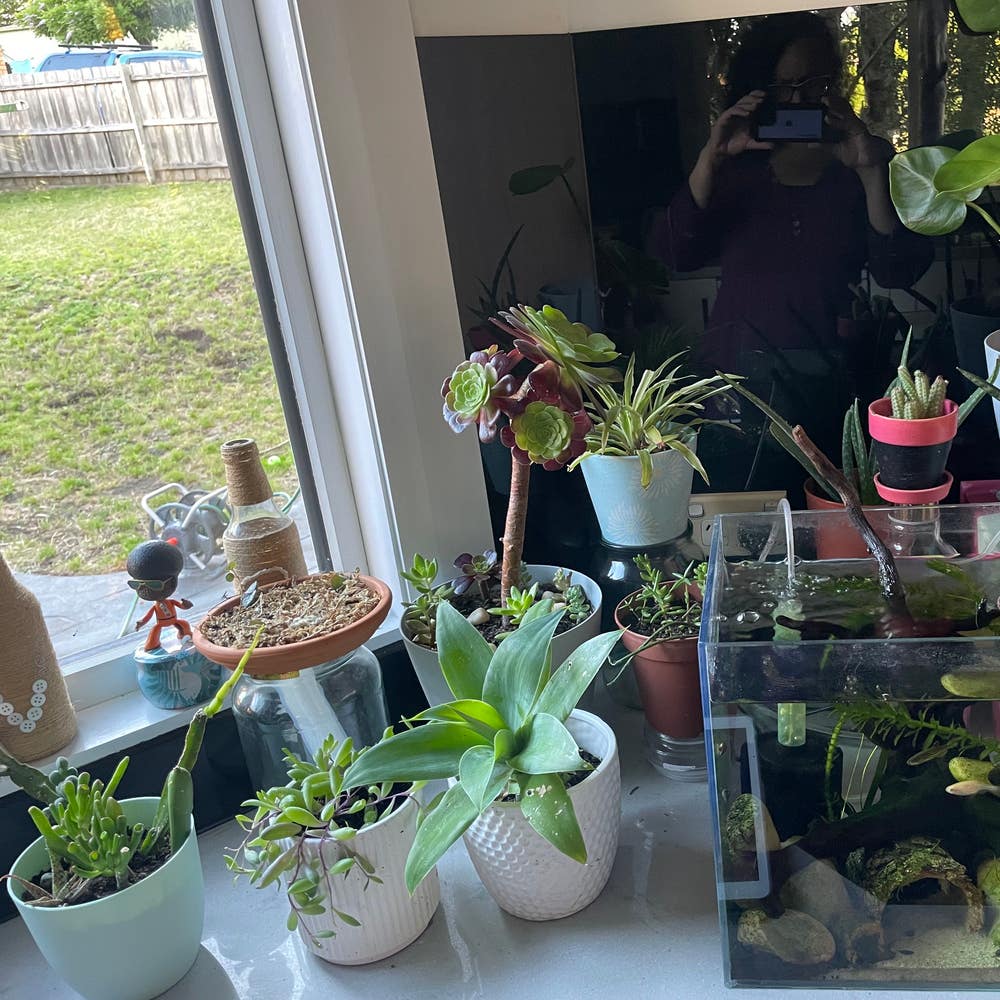
Indoors, it's a different game. Park your Lion's Tail Agave in a spot where it can soak up bright, indirect light. Think a sunny window, but without the harsh midday sun that can lead to an agave BBQ.
Remember, this isn't a cactus. It can't handle the desert at high noon, but it doesn't want to be left in the dark either. Keep it one foot away from the window to avoid the plant equivalent of a nasty sunburn.
🌈 Light Intensity
The intensity of light can make or break your Lion's Tail Agave's vibe. Too little, and it's a sad, leggy mess. Too much, and it's crispy and brown. Find that sweet spot, and you'll have a happy, healthy plant that's the envy of the neighborhood.
⏳ Light Duration
As for duration, think Goldilocks – not too little, not too much, just right. Aim for 4-6 hours of that sweet sunlight daily, and your Lion's Tail Agave will thank you with growth that's just as lush as its leaves.
🚀 Pro Tip
If you're bringing your plant outside after it's been indoors, do it gradually. No one likes a shock to the system, plants included. Acclimate it over a week or two to avoid a sunburned agave fiasco.

Light Acclimation and Plant Health
🌞 Acclimating to Outdoor Light
Transitioning your Lion's Tail Agave to the great outdoors isn't a race—it's more of a leisurely stroll. Start by placing it in a shaded area and gradually increase its exposure to direct sunlight over a couple of weeks. This slow-and-steady approach helps prevent the botanical equivalent of a nasty sunburn.
🚨 Recognizing Light Stress
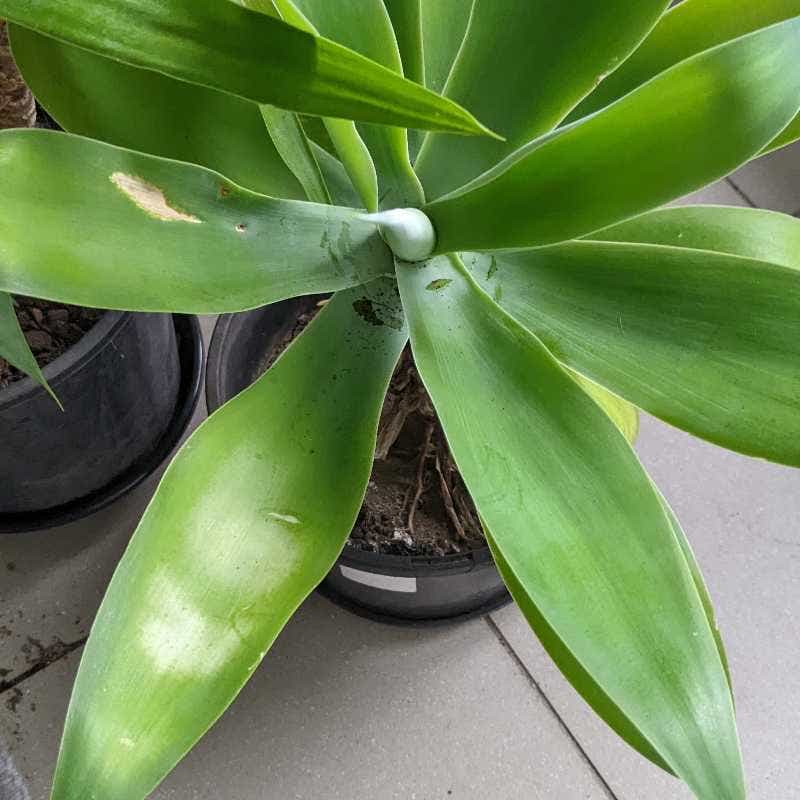
If your Agave's leaves start looking like they've had a rough day at the beach—think reddish or brown spots—it's crying out for help. Droopy leaves or a general look of despair are also telltale signs that your plant is getting more UV love than it can handle.
🛠 Addressing Light Stress
Caught some rays too hard? Relocate your Lion's Tail Agave to a shadier spot pronto. It's like giving it a cool aloe vera gel after a day in the sun. Keep an eye on watering too; parched plants are more prone to sun damage. And remember, a little empathy goes a long way—no one likes a sunburn, not even your Agave.

Light's Influence on Flowering
💡 Understanding Light's Role
Light intensity and duration are pivotal for Lion's Tail Agave's flowering. This plant, like a solar panel, harnesses light to trigger its reproductive cycle.
🌅 Timing for Blooms
To coax Lion's Tail Agave into bloom, mimic natural light cycles. This means longer daylight exposure as seasons change, signaling the plant to flower.
🕰 Light Duration Strategies
For indoor Agaves, adjust artificial light to replicate these conditions. Use a timer to extend light exposure gradually, fostering a bloom-friendly environment.
🌿 Daily Light Integral (DLI)
Ensure your Agave receives the right daily light energy. DLI is like a plant's daily calorie intake; too little, and it won't have the energy to flower.
💡 Light Intensity (PPFD)
PPFD measures light that actually reaches the plant. It's the quality of light, not just quantity, that matters for flowering.
👀 Observing Plant Responses
Watch for signs of stress. If leaves pale or scorch, the light may be too intense. Adjust your setup accordingly, seeking that sweet spot for optimal growth.
🌸 Enhancing Flowering Indoors
Consider grow lights with adjustable intensity and duration to better control the flowering process. It's a balancing act, but getting it right can lead to spectacular blooms.

Using Grow Lights for Indoor Lion's Tail Agave
When the sun's rays are a scarce commodity, grow lights step in as the saviors for your Lion's Tail Agave. Whether it's due to a gloomy climate or a windowless room, these artificial sun substitutes can be a game-changer.
💡 When to Consider Grow Lights
If your indoor space lacks sufficient sunlight, it's time to think about grow lights. Long, dark winters or rooms with poor natural light are prime candidates for this lighting boost.
💡 Key Features of Grow Lights
💡 Spectrum
Opt for LED grow lights; they're the cool kids on the block. They emit a broad spectrum of light, which mimics the sun, and they don't bring the heat like other types.
💡 Efficiency
Your electric bill will thank you for choosing LEDs. They're energy-efficient, so they shine bright without burning cash.
💡 Placement Flexibility
With grow lights, you're not tethered to windows. Place your agave wherever you fancy—grow lights have got you covered.
💡 Light Intensity
More isn't always better. Too much light can lead to leaf burn, so aim for a balanced approach. Monitor your plant's response and adjust accordingly.
💡 Timing
Plants need sleep too. Ensure your Lion's Tail Agave gets a break from the glow to bask in some natural light, or at least some darkness.
Remember, while grow lights are a stellar support system, they're not a panacea. They come with an upfront cost and will nudge your electricity bill up. But for the indoor agave aficionado, they're worth every penny.
⚠️ Safety First
This content is for general information and may contain errors, omissions, or outdated details. It is not medical, veterinary advice, or an endorsement of therapeutic claims.
Always consult a qualified healthcare professional before using any plant as food, medicine, or supplement.
Never eat any plant (or feed one to pets) without confirming its identity with at least two trusted sources.
If you suspect poisoning, call Poison Control (800) 222-1222, the Pet Poison Helpline (800) 213-6680, or your local emergency service immediately.
Spotted an error? Please report it here.
With Greg, you can strike the ideal balance of sunshine and shade ☀️🌿 for your Lion's Tail Agave, ensuring it thrives without the guesswork.