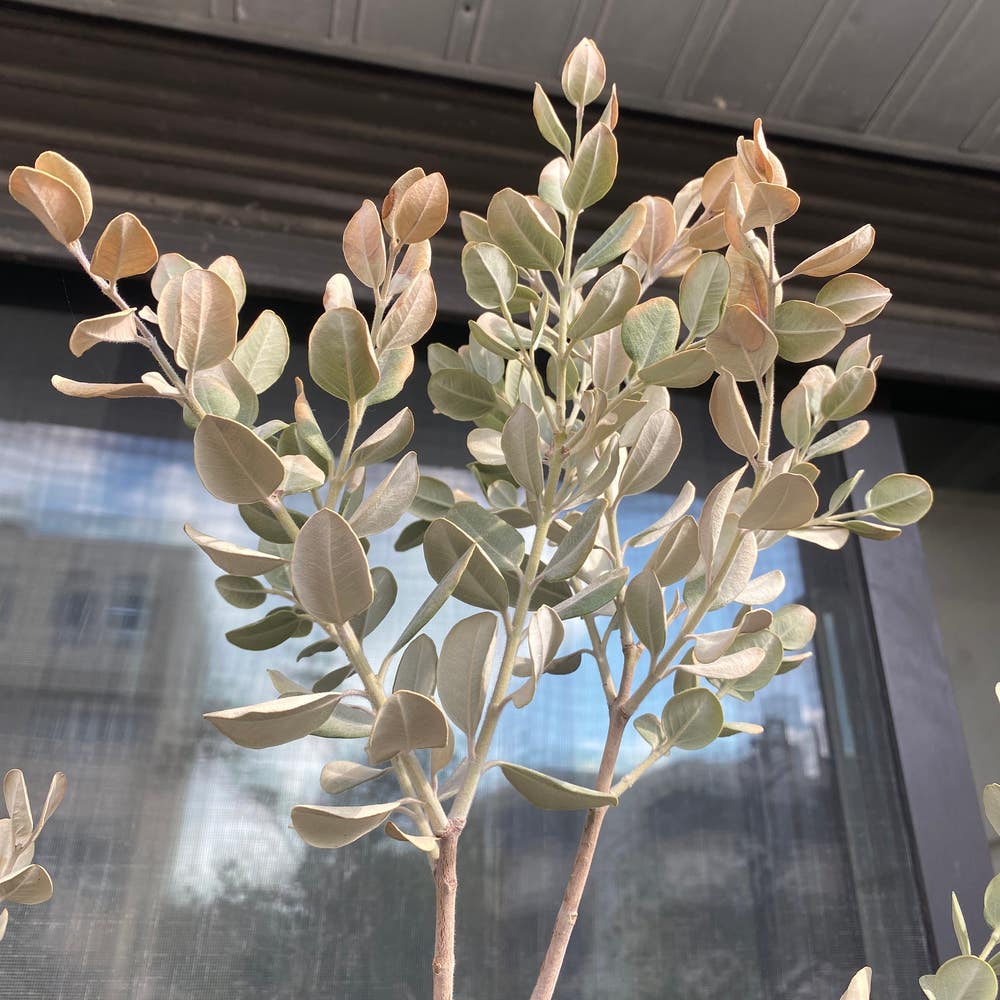
🌺 Lehua Is Not Considered a Weed
Metrosideros polymorpha
By the Greg Editorial Team
Nov 08, 2024•6 min read
This article was created with the help of AI so we can cover more plants for you. May contain errors. See one? Report it here.
- 🌺 Lehua is a native Hawaiian plant, not a weed, thriving alongside local flora.
- 🐦 Supports wildlife by providing nectar for native birds like the 'i'iwi and 'apapane.
- 🌿 Promotes biodiversity in gardens, enhancing ecological health and visual appeal.
Plant Classification
Definition of Invasive Species 🌱
Invasive species are non-native plants that aggressively spread, outcompeting local flora and disrupting ecosystems. These plants often exhibit rapid reproduction, high adaptability, and a lack of natural predators in their new environments, allowing them to thrive unchecked.
Characteristics that Differentiate Lehua 🌺
Lehua stands apart from invasive species due to its moderate growth rate and non-aggressive nature. This native Hawaiian plant typically grows in harmony with other local flora, contributing positively to the ecosystems it inhabits.
Lehua's ability to coexist with native plants makes it a valuable addition to Hawaiian landscapes. Its presence supports biodiversity, enhancing the overall health of the environment.
As we explore further, we'll delve into Lehua's growth habits and its ecological role, showcasing why this plant is a cherished part of Hawaiian gardens.
Growth Habits
Typical Growth Patterns 🌱
Lehua plants can reach impressive heights of 10 to 30 feet, depending on the species and the environmental conditions they thrive in. Their moderate growth rate allows them to flower primarily in the spring and summer, showcasing their vibrant blooms.
Lehua can take on different forms, either as a tree or a shrub, based on the specific species and its growing location. This versatility makes it a valuable addition to various landscapes.
Natural Limits to Growth 🌍
Despite their potential for height, Lehua's spread is naturally constrained by several environmental factors. Soil type, moisture availability, and competition with other plants all play crucial roles in determining how far and wide Lehua can grow.
These limitations ensure that Lehua maintains a balanced presence in its ecosystem, allowing it to coexist harmoniously with other native flora. This balance is essential for sustaining the health of Hawaiian ecosystems.
As we explore the ecological role of Lehua next, we will see how its growth habits contribute positively to local wildlife and gardens.
Ecological Role
Benefits in Gardens and Ecosystems 🌺
Lehua plays a vital role in supporting local wildlife, particularly native Hawaiian birds like the 'i'iwi and 'apapane. These birds rely on Lehua for nectar, making it an essential food source that sustains their populations.
Additionally, Lehua serves as a habitat for various insects and other wildlife. This interaction promotes biodiversity, creating a thriving ecosystem that benefits all forms of life.
Positive Interactions with Wildlife 🐝
The vibrant flowers of Lehua are not just beautiful; they are also a magnet for pollinators. By attracting bees and other beneficial insects, Lehua enhances the overall health of garden ecosystems.
These positive interactions contribute to a balanced environment, where plants and wildlife coexist harmoniously. Incorporating Lehua into gardens can lead to a flourishing ecosystem that supports both flora and fauna.
In summary, Lehua's ecological role is significant, providing essential resources for wildlife and promoting biodiversity. This makes it a valuable addition to any garden, fostering a connection between nature and cultivation.
Next, we will explore how to effectively incorporate Lehua into garden designs for maximum impact.
Garden Management
Incorporating Lehua into Garden Designs 🌺
Integrating Lehua into your garden can create a stunning visual impact. Planting Lehua in clusters mimics its natural growth patterns, enhancing the overall aesthetic of your space.
Pairing Lehua with other native Hawaiian plants fosters a biodiverse environment. This combination not only supports local wildlife but also creates a vibrant tapestry of colors and textures.
Controlling Growth ✂️
To maintain the beauty of your Lehua plants, regular pruning is essential. This practice helps keep them at a manageable size, especially in smaller garden spaces.
Stay vigilant for signs of overgrowth. Monitoring your plants allows you to manage their growth effectively, ensuring they thrive without overwhelming their surroundings.
Incorporating Lehua into your garden not only beautifies your space but also contributes to the health of local ecosystems. As you plan your garden, consider how these practices can enhance both your enjoyment and the environment.
Comparison to Other Plants
🌱 Similarities and Differences
Lehua shares several characteristics with other native Hawaiian plants, particularly in its growth habits and ecological roles. Like many native species, it thrives in the unique Hawaiian climate, adapting well to various soil types and moisture levels.
However, Lehua stands out in its vibrant flower color and growth form. While some native plants may have muted hues or different structures, Lehua's bright red or yellow blossoms create a striking contrast in any garden. Additionally, its growth can vary from tree to shrub, depending on environmental conditions, which is not always the case for other native species.
🌺 Unique Qualities in a Garden Setting
In a garden setting, Lehua's vibrant flowers are not just visually appealing; they also carry deep cultural significance in Hawaiian traditions. This makes Lehua a standout choice for gardeners looking to create a space that is both beautiful and meaningful.
Moreover, its ability to attract native birds and pollinators enhances the garden's ecological value. By incorporating Lehua, gardeners can foster a lively ecosystem while enjoying the aesthetic and cultural richness it brings.
As we explore the legal and environmental considerations surrounding Lehua, it's essential to recognize its role in sustainable gardening practices.
Legal and Environmental Considerations
Classifications and Guidelines 🌱
When it comes to planting Lehua, it's essential to be aware of local regulations. In Hawaii, Lehua is classified as a protected native species, which means there are guidelines in place to ensure its preservation.
These regulations often include restrictions on harvesting and guidelines for cultivation. Following these rules helps maintain the ecological balance and supports the conservation of this beautiful plant.
Role in Sustainable Gardening 🌍
Incorporating native plants like Lehua into your garden is a powerful way to promote sustainability. Native plants are adapted to local conditions, requiring less water and fewer resources compared to non-native species.
By choosing Lehua, you not only enhance your garden's beauty but also support local ecosystems. This plant provides vital habitats for wildlife and contributes to the overall health of the environment.
Embracing native gardening practices fosters biodiversity and helps protect Hawaii's unique flora. As you cultivate your garden, remember that every Lehua planted is a step toward a more sustainable future.
With this understanding of Lehua's legal status and its role in sustainable gardening, you can confidently move forward in creating a thriving, eco-friendly garden.
⚠️ Safety First
This content is for general information and may contain errors, omissions, or outdated details. It is not medical, veterinary advice, or an endorsement of therapeutic claims.
Always consult a qualified healthcare professional before using any plant as food, medicine, or supplement.
Never eat any plant (or feed one to pets) without confirming its identity with at least two trusted sources.
If you suspect poisoning, call Poison Control (800) 222-1222, the Pet Poison Helpline (800) 213-6680, or your local emergency service immediately.
Spotted an error? Please report it here.
Enhance your garden's beauty and support local wildlife by incorporating Lehua 🌿, and let Greg provide you with tailored care tips to help it thrive sustainably!