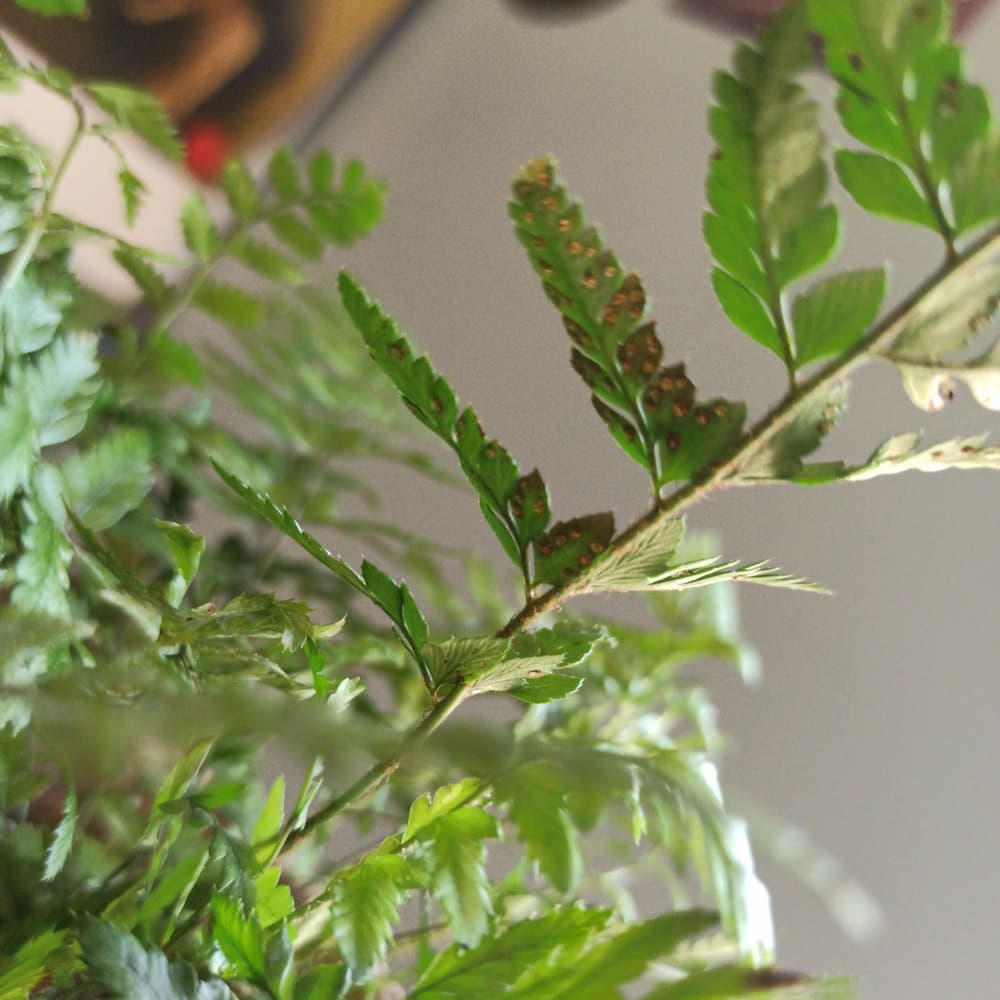
Leatherleaf is Not an Invasive Plant
Chamaedaphne calyculata
By the Greg Editorial Team
Sep 30, 2024•5 min read
This article was created with the help of AI so we can cover more plants for you. May contain errors. See one? Report it here.
Transform your garden with Leatherleaf 🌱—a stunning plant that boosts beauty and supports local ecosystems!
- 🌱 Leatherleaf is not invasive, with a slow growth rate and limited spread potential.
- 🌿 As a native plant, Leatherleaf supports biodiversity and is legally protected.
- 🦋 Ideal for gardens, Leatherleaf attracts pollinators and enhances soil health year-round.
Plant Classification
Definition of Invasive Species 🌱
Invasive species are plants that exhibit aggressive growth, spread rapidly, and negatively impact local ecosystems. They often outcompete native flora, disrupting the balance of their habitats.
Leatherleaf, however, does not fit this mold. It has a slow to moderate growth rate and limited spread potential, thanks to natural checks on its growth. This makes it a safe choice for gardens without the fear of it taking over.
Legal Classifications of Leatherleaf 📜
Leatherleaf enjoys certain legal protections due to its status as a native plant. This classification often means it is encouraged in gardening practices, as it supports local biodiversity.
Understanding its legal standing can help gardeners make informed choices. Incorporating Leatherleaf not only enhances garden aesthetics but also contributes to the health of local ecosystems.
Growth Habits
Typical Growth Patterns in Gardens 🌱
Leatherleaf exhibits a charming clumping habit, characterized by its leathery leaves. Typically, it reaches heights of 1-3 feet and spreads 2-3 feet wide, making it an attractive addition to various garden designs.
This plant is evergreen, maintaining its lush foliage year-round. During its flowering period, it produces delicate blooms that add visual interest and attract pollinators.
Natural Growth Limits and Spread Potential 🌍
Leatherleaf thrives in specific habitats, particularly wetlands and acidic soils. It prefers partial shade, which helps it flourish in its natural environment.
Several factors limit its growth, including soil type and moisture levels. Additionally, competition with other plants can restrict its spread, ensuring it remains a manageable and beneficial part of the ecosystem.
By understanding these growth habits, gardeners can effectively incorporate Leatherleaf into their designs, enhancing both beauty and biodiversity.
Ecological Role
🌱 Benefits in Ecosystems
Leatherleaf plays a vital role in enhancing soil health. Its ability to contribute organic matter and facilitate nutrient cycling makes it a key player in maintaining ecosystem balance.
In wetland areas, Leatherleaf is indispensable. It helps sustain these ecosystems by stabilizing soil and preventing erosion, creating a thriving habitat for various species.
🦋 Positive Interactions with Local Wildlife
This plant is a haven for local wildlife, offering both shelter and food. Birds and insects find refuge among its dense foliage, while its flowers attract essential pollinators.
By supporting these creatures, Leatherleaf fosters a vibrant ecosystem. Its presence encourages biodiversity, making gardens not just beautiful but also ecologically significant.
As we explore the next section, we'll look at how to incorporate Leatherleaf into garden designs for maximum ecological benefit.
Garden Management
Incorporating Leatherleaf into Garden Designs 🌿
Leatherleaf thrives in naturalistic and woodland gardens, making it a perfect choice for those looking to create a serene, lush environment. Its clumping habit and evergreen nature add texture and depth to your garden.
Companion planting with other native plants enhances biodiversity. Pairing Leatherleaf with species like ferns or wildflowers can create a vibrant ecosystem that supports local wildlife.
Maintenance and Care Tips 💧
Leatherleaf requires consistent moisture, especially during dry spells. Regular watering helps maintain its lush appearance and overall health.
This plant thrives in nutrient-poor soils, so minimal fertilization is necessary. Over-fertilizing can lead to excessive growth, which Leatherleaf doesn’t need.
Controlling Growth for Aesthetic Purposes ✂️
Pruning is essential for maintaining the desired shape and size of Leatherleaf. Regularly trim back any overgrown areas to keep your garden looking tidy.
Monitoring growth is crucial. If you notice excess clumps, don’t hesitate to remove them to ensure that your garden remains balanced and visually appealing.
Incorporating these management strategies will not only enhance the beauty of your garden but also promote a healthy ecosystem. Next, let’s explore how Leatherleaf compares to other plants in terms of growth habits and benefits.
Comparison to Other Plants
🌱 Similar Non-Invasive Plants
When considering non-invasive plants that complement Leatherleaf, several native options stand out. For instance, Bluebell (Mertensia virginica) and Wild Ginger (Asarum canadense) share similar growth habits and thrive in similar environments.
- Bluebell: This plant offers beautiful blue flowers in spring and prefers moist, shaded areas, making it a perfect companion for Leatherleaf.
- Wild Ginger: With its heart-shaped leaves, it adds texture to the garden and also enjoys the same acidic, damp soils.
Incorporating these plants not only enhances biodiversity but also creates a harmonious garden ecosystem.
🍃 Unique Qualities of Leatherleaf
Leatherleaf boasts distinctive leathery leaves that set it apart from many other native plants. Its evergreen nature ensures year-round greenery, providing visual interest even in winter.
This adaptability to wetland conditions makes Leatherleaf a resilient choice for gardeners. It thrives in acidic soils and partial shade, making it ideal for those tricky spots in your garden where other plants might struggle.
By choosing Leatherleaf, you're not just adding a plant; you're enriching your garden with a unique character that supports local wildlife and promotes a healthy ecosystem.
Legal and Environmental Considerations
🌱 Guidelines for Planting Leatherleaf
When considering planting Leatherleaf, it's essential to choose the right conditions. This plant thrives in wetland areas, preferring acidic soils and partial shade.
For optimal growth, aim for USDA hardiness zones 3 to 7. Sourcing Leatherleaf from local nurseries ensures you get healthy, native specimens that are well-adapted to your region.
♻️ Sustainable Gardening Practices
Using native plants like Leatherleaf is a cornerstone of sustainable landscaping. These plants not only require less maintenance but also support local ecosystems.
Leatherleaf plays a vital role in promoting biodiversity. By incorporating it into your garden, you help create habitats for local wildlife, contributing to a healthier environment.
Incorporating native plants fosters resilience in your garden, making it more adaptable to local conditions. This approach not only beautifies your space but also aligns with eco-friendly gardening principles.
As you plan your garden, remember that every native plant contributes to a larger ecological tapestry. Embrace the opportunity to make a positive impact while enjoying the beauty of Leatherleaf and its companions.
⚠️ Safety First
This content is for general information and may contain errors, omissions, or outdated details. It is not medical, veterinary advice, or an endorsement of therapeutic claims.
Always consult a qualified healthcare professional before using any plant as food, medicine, or supplement.
Never eat any plant (or feed one to pets) without confirming its identity with at least two trusted sources.
If you suspect poisoning, call Poison Control (800) 222-1222, the Pet Poison Helpline (800) 213-6680, or your local emergency service immediately.
Spotted an error? Please report it here.
Cultivate a thriving garden with Leatherleaf 🌿, a native plant that boosts biodiversity, and let Greg help you succeed with tailored watering reminders for its lush growth!