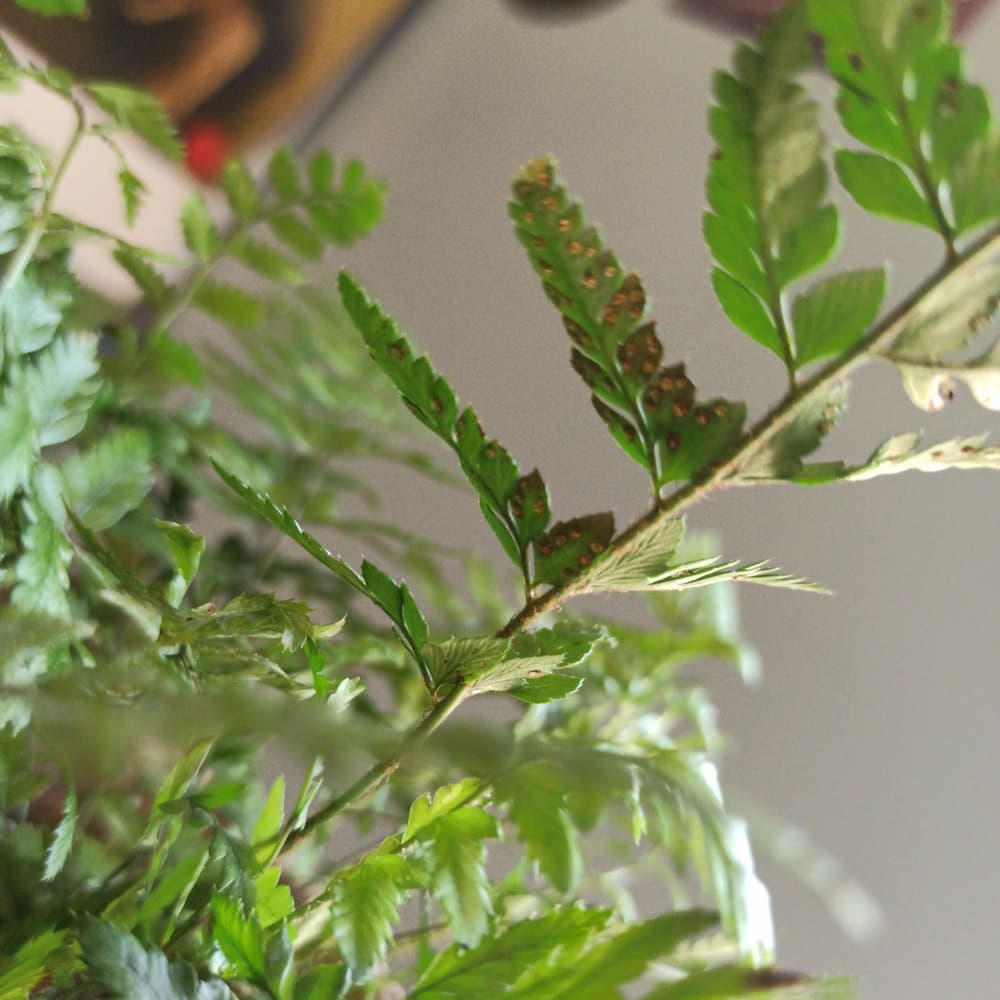
Why Leatherleaf Is A Perennial Plant
Chamaedaphne calyculata
By the Greg Editorial Team
Sep 30, 2024•5 min read
This article was created with the help of AI so we can cover more plants for you. May contain errors. See one? Report it here.
Unlock a sustainable garden with Leatherleaf's effortless beauty and resilience! 🌱
- 🌱 Leatherleaf is a perennial, thriving for years and enhancing garden beauty sustainably.
- 🌼 Requires less maintenance than annuals, making it a gardener's dream for longevity.
- 🌞 Optimal growth needs sunlight and moisture, ensuring vibrant foliage and flowering each season.
Characteristics of Leatherleaf as a Perennial
Multi-Year Lifecycle 🌱
Leatherleaf is a remarkable perennial that thrives over several years. Each season contributes to its growth, allowing it to establish a robust presence in your garden.
Unlike annuals, which complete their lifecycle in one year, or biennials that take two, Leatherleaf offers longevity and sustainability. This makes it a fantastic choice for gardeners looking for lasting beauty.
Growth Patterns and Regrowth from Roots 🌿
One of the standout features of Leatherleaf is its established root system. These roots not only anchor the plant but also enable it to regrow each year.
In spring, Leatherleaf utilizes its roots to sprout new growth, ensuring a vibrant display after the dormancy of winter. This resilience is a key reason why many gardeners appreciate this perennial.
Seasonal Changes and Dormancy
💤 Dormancy Periods
Leatherleaf enters a dormancy phase during the colder months, conserving energy for the upcoming growing season. This natural process allows the plant to survive harsh conditions while minimizing resource use.
Signs of dormancy are quite noticeable. You may observe yellowing leaves, reduced growth, and even die-back of the above-ground parts, signaling that the plant is resting.
🌦️ Seasonal Changes Affecting Growth and Flowering
Seasonal changes significantly impact Leatherleaf's growth patterns. Temperature fluctuations and varying light conditions dictate how the plant develops throughout the year.
Typically, flowering occurs in late spring or early summer, aligning with warmer temperatures and increased daylight. This timing ensures that Leatherleaf can thrive and attract pollinators effectively.
Understanding these seasonal dynamics is crucial for anyone looking to cultivate Leatherleaf successfully. By recognizing its dormancy and growth patterns, you can better plan for its care and enjoy its beauty year after year.
Next, we’ll explore the advantages of Leatherleaf's perennial nature, highlighting how it benefits your garden.
Advantages of Perennial Nature
🌱 Benefits of Reduced Replanting
Once established, Leatherleaf requires significantly less maintenance compared to annuals. This means fewer trips to the garden center and less time spent replanting each season.
This reduced need for replanting translates into cost-effectiveness. Over time, you’ll save money on plant purchases and labor, allowing you to invest in other areas of your garden.
🌳 Importance of Established Root Systems
Leatherleaf's established root systems provide resilience against environmental stress. These roots help the plant withstand drought conditions and fluctuations in nutrient availability.
Moreover, strong root systems enhance nutrient uptake. This means Leatherleaf can absorb more water and nutrients, promoting healthier growth and vibrant foliage.
With these advantages, Leatherleaf stands out as a smart choice for any garden. Its perennial nature not only simplifies maintenance but also supports a thriving ecosystem.
As we explore the lifespan and longevity factors next, you'll see how these roots contribute to the plant's enduring presence in your garden.
Lifespan and Longevity Factors
Expected Lifespan 🌱
Leatherleaf is a resilient perennial that can thrive for several years, often exceeding a decade with the right care. This longevity makes it a valuable addition to any garden, providing beauty and stability over time.
Factors Influencing Longevity 🌿
Several factors play a crucial role in determining the lifespan of Leatherleaf.
Impact of Climate ☀️
Varying temperatures and precipitation levels significantly affect the plant's health and longevity. In regions with extreme weather, Leatherleaf may struggle, while moderate climates can enhance its durability.
Soil Conditions 🏞️
Soil type and fertility are vital for Leatherleaf's success. Rich, well-draining soil promotes robust growth, while poor soil can hinder its ability to thrive.
Understanding these factors can help gardeners create optimal conditions for Leatherleaf, ensuring it remains a vibrant part of their landscape for years to come. As we explore the next section, we'll delve into how climate zone variations further influence this remarkable plant's behavior.
Climate Zone Variations
🌍 Variations in Behavior Across Climate Zones
Leatherleaf is a remarkable plant that showcases its adaptability across various USDA hardiness zones. This flexibility allows it to thrive in diverse environments, from cooler northern regions to warmer southern climates.
In each zone, Leatherleaf exhibits unique growth and flowering patterns. For instance, in milder climates, it may bloom earlier in the season, while in harsher zones, it conserves energy and flowers later, ensuring survival through extreme conditions.
☀️ Impact of Growing Conditions
Sunlight and moisture are critical factors that influence Leatherleaf's growth. Adequate sunlight promotes robust foliage and vibrant blooms, while insufficient light can lead to leggy growth and fewer flowers.
Moisture levels also play a significant role. Too much water can lead to root rot, while too little can stress the plant. Leatherleaf adjusts its growth based on local weather patterns, demonstrating resilience and a remarkable ability to thrive despite challenges.
Understanding these climate zone variations and growing conditions can help gardeners maximize the benefits of Leatherleaf in their landscapes. With the right care, this perennial can flourish beautifully, adapting to its environment while providing lasting beauty.
Maximizing Benefits in Garden Planning
🌱 Tips for Utilizing Perennial Nature
Strategic Placement
Choosing the right location for Leatherleaf is crucial for optimal growth and flowering. Aim for a spot that receives partial to full sunlight, as this will enhance its vibrant foliage and flowering potential.
Companion Planting
Pairing Leatherleaf with other perennials can create a thriving ecosystem in your garden. Consider companions that share similar water and light needs, which can help improve soil health and deter pests.
📅 Long-Term Cultivation Strategies
Maintenance Practices
To support Leatherleaf's health over the years, establish a regular care routine. This includes seasonal pruning, mulching to retain moisture, and monitoring for pests.
Planning for Seasonal Changes
Preparing for dormancy is essential for ensuring healthy regrowth in spring. Clear away any dead foliage and provide a layer of mulch to protect the roots during colder months.
By implementing these strategies, you can maximize the benefits of Leatherleaf in your garden, ensuring it thrives year after year. This not only enhances your garden's beauty but also contributes to a sustainable gardening practice.
⚠️ Safety First
This content is for general information and may contain errors, omissions, or outdated details. It is not medical, veterinary advice, or an endorsement of therapeutic claims.
Always consult a qualified healthcare professional before using any plant as food, medicine, or supplement.
Never eat any plant (or feed one to pets) without confirming its identity with at least two trusted sources.
If you suspect poisoning, call Poison Control (800) 222-1222, the Pet Poison Helpline (800) 213-6680, or your local emergency service immediately.
Spotted an error? Please report it here.
Transform your garden with Leatherleaf's lasting beauty 🌿 and let Greg provide tailored care reminders to help your perennial thrive year after year!