7 Ideal Companions for Your Leatherleaf 👫
Chamaedaphne calyculata
By the Greg Editorial Team
Sep 30, 2024•4 min read
This article was created with the help of AI so we can cover more plants for you. May contain errors. See one? Report it here.
Boost your garden's health 🌱 and beauty by selecting ideal companion plants for Leatherleaf!
- 🌱 Blueberries and Leatherleaf thrive together in acidic soil, attracting pollinators.
- 🌿 Ferns and Astilbe enhance moisture and shade, boosting garden biodiversity.
- 🌼 Companion plants improve pest management, creating a balanced ecosystem for Leatherleaf.
Ideal Companion Plants
Plant 1: Blueberry 🍇
Blueberries thrive in acidic soils, making them a perfect match for Leatherleaf. They attract pollinators, boosting your garden's productivity while providing seasonal fruit for added diversity.
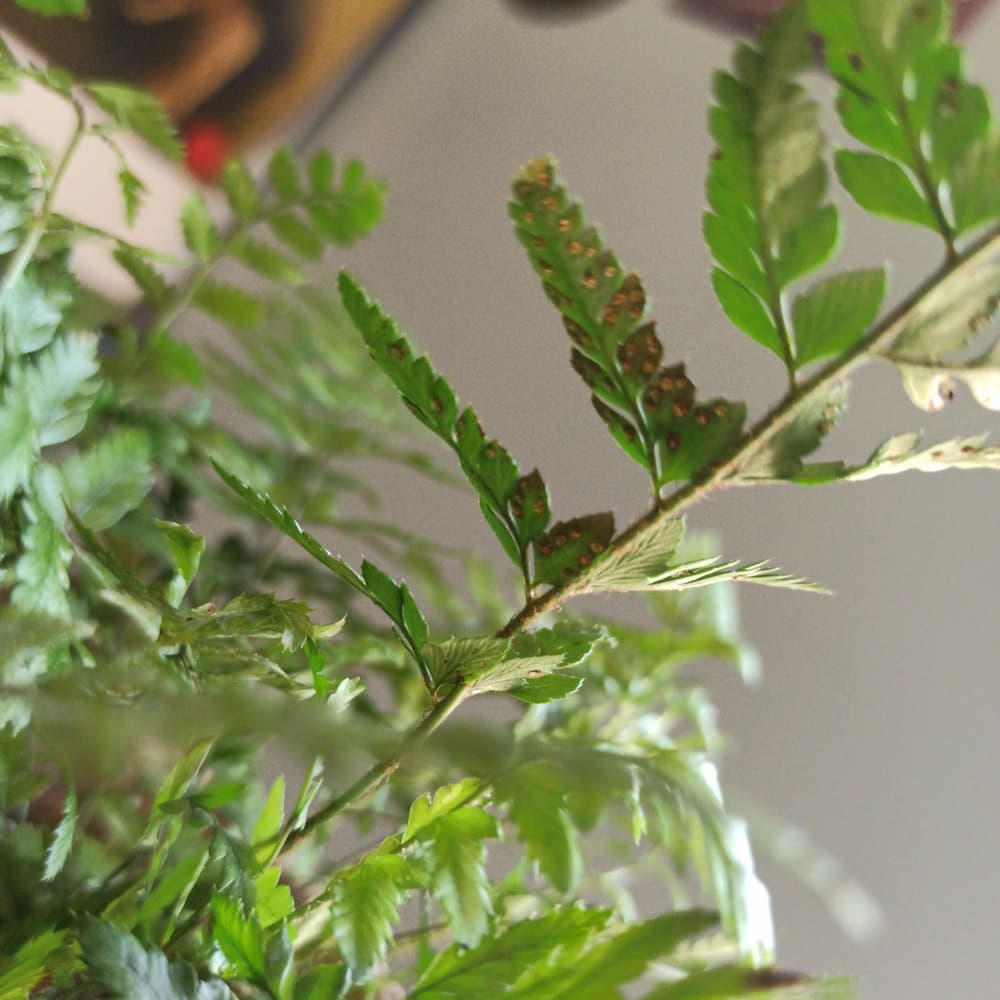
Plant 2: Fern 🌿
Ferns prefer similar shade and moisture conditions as Leatherleaf. Their lush greenery adds texture and visual appeal, while also helping to retain soil moisture.
Plant 3: Wintergreen 🍂
Wintergreen shares the same acidic soil preferences and moisture needs as Leatherleaf. This plant produces attractive berries and evergreen foliage, acting as a ground cover that prevents weeds.
Plant 4: Astilbe 🌸
Astilbe flourishes in shaded, moist environments, attracting beneficial pollinators. Its seasonal blooms enhance biodiversity and support local wildlife, adding vibrant color to your garden.
Plant 5: Goldenseal 🌼
Goldenseal prefers similar growing conditions and acidic soil. This plant offers medicinal properties, adding cultural significance while providing unique foliage for visual interest.
Plant 6: Wild Garlic 🧄
Wild garlic thrives in shaded, moist environments, offering edible leaves and bulbs. It attracts beneficial insects, aiding in pest management and enhancing your garden's utility.
Plant 7: Creeping Thyme 🌱
Creeping thyme prefers shaded areas and moist conditions, acting as a ground cover that suppresses weeds. Its fragrant foliage enhances sensory appeal, making your garden a delightful space.
These companion plants not only complement Leatherleaf but also contribute to a thriving garden ecosystem. Next, we'll explore how these plants can assist in effective pest management.
Pest Management
Companion plants play a crucial role in pest management, creating a thriving ecosystem around your Leatherleaf. They attract beneficial insects that prey on common pests, helping to keep your garden healthy and vibrant.
🌼 Attracting Beneficial Insects
By incorporating specific companion plants, you can draw in helpful insects like ladybugs and lacewings. These natural predators feast on pests, reducing the need for chemical interventions.
🌱 Creating a Balanced Ecosystem
Companion planting fosters a balanced ecosystem that naturally deters harmful insects. This harmony not only protects your Leatherleaf but also enhances the overall health of your garden.
🐞 Specific Pests and Companion Solutions
Aphids
Aphids can be a nuisance, but nearby flowering plants can help. They attract ladybugs, which are voracious eaters of aphids, keeping their population in check.
Slugs
Slugs can wreak havoc on your plants, but certain companion plants can provide habitats for their predators. By encouraging these natural slug hunters, you can minimize damage to your Leatherleaf.
Incorporating the right companion plants not only aids in pest management but also enriches your garden's biodiversity. This strategy ensures your Leatherleaf thrives in a supportive environment, setting the stage for the next topic: enhancing visual appeal through thoughtful plant combinations.
Visual Appeal
Color and Texture Combinations 🎨
The contrast between the leathery leaves of Leatherleaf and the softer textures of companion plants creates a stunning visual dynamic. This interplay not only enhances the garden's aesthetic but also draws the eye, making each plant stand out.
Seasonal Blooms 🌸
Seasonal blooms from companion plants add layers of interest throughout the year. These vibrant flowers can transform your garden, providing bursts of color that complement the rich greens of Leatherleaf.
Seasonal Visual Interest 🌼
Spring brings a delightful array of flowers from companion plants, offering early color that brightens the landscape. Meanwhile, evergreen companions ensure your garden remains visually appealing even in the depths of winter.
Year-Round Appeal 🌿
Incorporating a variety of companion plants not only enriches the visual tapestry but also supports a thriving ecosystem. This thoughtful selection can lead to a garden that captivates the senses all year long.
As you explore the visual potential of your garden, consider how these elements work together to create a harmonious environment. Next, let's delve into how companion plants can aid in pest management, ensuring your garden remains healthy and vibrant.
Plants to Avoid
When planning your garden alongside Leatherleaf, it's crucial to consider which plants might not play well together. Certain plants can hinder the growth and health of your Leatherleaf.
🚫 Incompatible Plant Types
Plants Requiring Dry Conditions: These plants thrive in arid environments and can quickly deplete the moisture that Leatherleaf needs to flourish.
Aggressive Spreaders: Some plants are notorious for their rapid growth and can easily outcompete Leatherleaf for nutrients and space.
⚠️ Reasons for Incompatibility
Different moisture and soil pH requirements can create a challenging environment for Leatherleaf. If companion plants demand drier conditions or have different soil preferences, they can stress your Leatherleaf.
Additionally, competition for resources can lead to poor growth. When plants vie for nutrients, water, and light, Leatherleaf may struggle to thrive, resulting in a less vibrant garden.
By avoiding these incompatible plants, you can create a harmonious environment that allows your Leatherleaf to shine. This thoughtful selection will enhance your garden's overall health and beauty, setting the stage for a thriving ecosystem.
Next, let’s explore how companion plants can aid in pest management, ensuring your garden remains healthy and productive.
⚠️ Safety First
This content is for general information and may contain errors, omissions, or outdated details. It is not medical, veterinary advice, or an endorsement of therapeutic claims.
Always consult a qualified healthcare professional before using any plant as food, medicine, or supplement.
Never eat any plant (or feed one to pets) without confirming its identity with at least two trusted sources.
If you suspect poisoning, call Poison Control (800) 222-1222, the Pet Poison Helpline (800) 213-6680, or your local emergency service immediately.
Spotted an error? Please report it here.
Enhance your Leatherleaf's beauty with ideal companions 🌿 like blueberries and ferns, and let Greg guide you with tailored care tips to cultivate a thriving garden ecosystem!