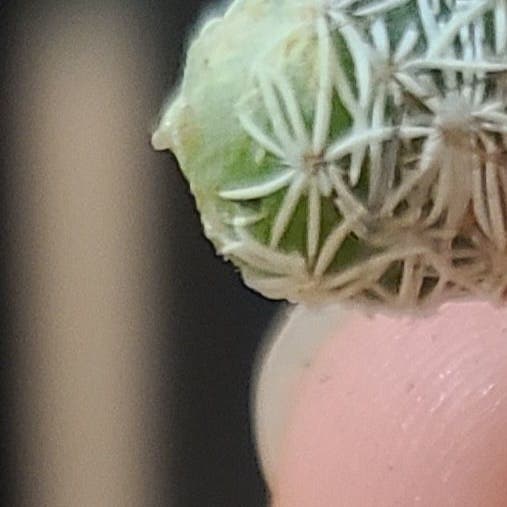
🌵 Should I Repot My Coryphantha elephantidens f. cristata?
Coryphantha elephantidens f. cristata
By the Greg Editorial Team
Jun 07, 2024•5 min read
This article was created with the help of AI so we can cover more plants for you. May contain errors. See one? Report it here.
- 🌵 Roots peeking out? Time to repot your cactus.
- Terracotta, plastic, or ceramic? Choose for cactus health.
- Post-repotting care: Monitor and adjust water and light.
When Your Cactus Craves a New Home
🌵 Spotting the Telltale Signs
Roots making a break for it through the drainage holes? That's your cactus waving a white flag for more space. If your Coryphantha elephantidens f. cristata has hit a growth plateau, it's not just taking a breather—it's cramped. And if the soil dries out faster than your enthusiasm for a fad diet, your cactus is begging for a new pot.
🕰 Timing is Everything
Spring and summer are the cactus equivalent of a growth spurt—perfect for repotting. Aligning with these seasons means you're working with your plant's natural rhythm, not against it. Dry soil is your green light for repotting; it's kinder to the roots and less messy for you.
👂 Listening to Your Cactus
Subtle changes in your cactus's appearance can speak volumes. If it's more top-heavy than a bobblehead or its growth has slowed to a crawl, it's time to give it some breathing room. Keep an eye out for these changes; they're your cactus's way of whispering for help.
Choosing the Right Pot: Material Matters
🏺 Terracotta vs. Plastic vs. Ceramic
When it comes to repotting your Coryphantha elephantidens f. cristata, the pot material can make or break the plant's happiness. Let's dive in.
Terracotta is the classic choice. It's like the plant world's version of breathable cotton—allowing air and water to move through its walls, reducing the risk of waterlogged roots. But it's heavy and fragile, so think twice if you like to shuffle your plants around.
Plastic pots are the lightweights of the bunch. They're easy to tote from shelf to shelf and kind to your wallet. However, they're about as breathable as a raincoat, trapping moisture and potentially leading to root rot if you're not careful.
Ceramic pots are the middle ground, offering a bit more breathability than plastic but less than terracotta. They're the stylish option, often glazed and colorful, but that comes with added weight and a higher price tag. Make sure they have drainage holes; otherwise, they're just pretty puddle-makers.
Size and Drainage: Getting Technical
Selecting the right size for your cactus's new digs is crucial. Too small, and you'll be repotting again before you know it. Too large, and the excess soil can stay damp and sulk in the corners, inviting root rot to the party.
A pot that's just right will be about 10-20% larger than the current one. This gives your cactus room to grow without swimming in soil. And let's talk drainage—non-negotiable. Without a way for excess water to escape, you're setting up a spa day for fungi, not a home for your cactus.
The Repotting Rodeo: A Step-by-Step Guide
🛠️ Preparing for the Big Move
Before you saddle up for the repotting rodeo, gather your gear. You'll need a new pot—go for one that's a couple of inches larger in diameter than the old one. Make sure it has drainage holes. Your toolkit should include a well-draining cactus mix, a trowel, gardening snips, and a watering can. And don't forget those thick gloves—cactus spines are no joke.
🌱 Choosing the Perfect Soil Mix
Selecting the right soil mix is like picking a good whiskey; it needs to be just right. For your Coryphantha elephantidens f. cristata, well-draining is the name of the game. A mix that's too dense is like a bad hangover for your cactus—avoid at all costs. Add some organic matter to the mix for a nutrient kick.
🌵 The Delicate Dance of Repotting
Safely Extracting Your Cactus
It's showtime. Tilt the pot and coax your cactus out with a gentle tug at the base. If it's stubborn, a soft twist or tap should loosen things up. Once it's out, brush off the old soil for a good look at the roots. Healthy roots are firm and light-colored; trim any that aren't.
Nestling Your Cactus into Its New Home with Care
Place a layer of fresh cactus mix in the new pot and settle your prickly friend in. Backfill around the roots, but remember—cacti despise tight spaces. A light tamp should keep it upright. Water it once deeply, then let it dry out before the next watering. You've just given your cactus a fresh start.
Aftercare: Helping Your Cactus Settle In
🌵 The First Few Days
After repotting, monitor your Coryphantha elephantidens f. cristata like it's the star of a hit reality show. Watering should be on pause; give it about a week to avoid shocking those sensitive roots. Place it in a spot with bright, indirect light—direct sunlight is too intense for its fresh start. Keep an eye out for wilting or discoloration, which are your cactus's way of saying, "I'm not okay!"
🌵 Long-Term Success
For the long haul, your cactus's happiness hinges on consistency. Once acclimated, resume a regular watering schedule, letting the soil dry out completely between sessions. Remember, overwatering is the nemesis of a thriving cactus. As for light, ensure it gets its daily dose, but not too harshly—think sun-kissed, not sunburned. If your indoor lighting is more lounge than luau, consider a grow light to keep those spikes perky. With some respect and attention, your cactus will be the epitome of plant goals.
⚠️ Safety First
This content is for general information and may contain errors, omissions, or outdated details. It is not medical, veterinary advice, or an endorsement of therapeutic claims.
Always consult a qualified healthcare professional before using any plant as food, medicine, or supplement.
Never eat any plant (or feed one to pets) without confirming its identity with at least two trusted sources.
If you suspect poisoning, call Poison Control (800) 222-1222, the Pet Poison Helpline (800) 213-6680, or your local emergency service immediately.
Spotted an error? Please report it here.
Repot your Coryphantha elephantidens f. cristata with confidence and let Greg track its health and growth 🌵 with personalized care tips and reminders post-repotting.