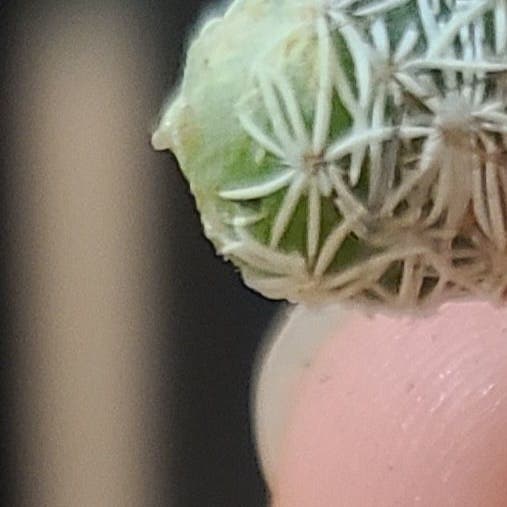
Coryphantha Elephantidens F. Cristata Leaves Curling
Coryphantha elephantidens f. cristata
By the Greg Editorial Team
Jun 07, 2024•3 min read
This article was created with the help of AI so we can cover more plants for you. May contain errors. See one? Report it here.
- Leaf curling signals distress; over/underwatering and temperature stress are key causes.
- Perfect your watering technique to prevent those quirky curls.
- Stable temps and light keep your cactus happy and leaves flat.
Spotting the Curl: Early Signs of Trouble
🌀 Visual Cues: The Telltale Twists
Leaf curling in Coryphantha elephantidens f. cristata is like a silent alarm bell. It's not just a quirky twist; it's a sign of distress. Look for leaves bending inward or outward, a clear deviation from their usual form. These contortions are your cactus crying out for help.
Timing and Progression: The Early Bird Catches the Worm
Curling can ambush your cactus at any time, but it's a sneaky beast. Initially, it might be as subtle as a shy curl at the leaf's edge. Without prompt attention, these minor curls can escalate into a full-blown spiral of stress. Catching these early signs is crucial for the well-being of your cactus.
Rooting Out the Causes
💧 Too Much Love: Overwatering Woes
Overwatering is a common misstep with Coryphantha elephantidens f. cristata, leading to leaf curling. Signs to watch for include mushy leaves and a general appearance of being waterlogged. This excess moisture suffocates the roots, depriving them of oxygen and causing the leaves to curl as a distress signal.
🏜️ Thirsty Spikes: When Underwatering Strikes
Conversely, underwatering manifests through wrinkled leaves, akin to a dehydrated traveler in the desert. The leaves curl, desperately trying to conserve what little moisture they have left. It's a silent plea for water, and a clear sign that your watering schedule needs a revamp.
🌡️ Hot and Bothered: Temperature Stress Tales
Temperature stress can also cause leaves to curl. Extreme heat forces leaves to curl inward, trying to reduce their exposure and conserve moisture. On the other end, cold stress can make leaves curl as the plant attempts to shield its vital tissues from chill damage. Monitoring and adjusting the temperature can help prevent these stress responses.
Turning the Tide on Leaf Curling
💧 Fine-Tuning Your Watering Technique
Finding the sweet spot for watering your Coryphantha elephantidens f. cristata is more art than science. It's about responding to the cactus's needs, not the calendar. Check the top inch of soil; if it's dry, it's time to water. Use pots with drainage holes, preferably terracotta, to wick away excess moisture and prevent the dreaded overwatering.
🌡️ Keeping the Cool (or the Heat)
Your cactus isn't a fan of dramatic temperature swings. Aim for a stable environment that doesn't leave your plant shivering or sweating. Use a pebble tray or humidifier to maintain consistent humidity. And remember, as seasons change, so should your care routine. Less water in the cool months, a bit more when it's hot. Keep an eye on the forecast and adjust accordingly.
Nipping Curling in the Bud: Prevention Strategies
💧 The Watering Rhythm: Setting a Schedule
Crafting a watering calendar for your Coryphantha elephantidens f. cristata isn't about marking dates on a calendar. It's about syncing with your cactus's natural thirst rhythms. As seasons change, so should your watering habits. Less is more during the cooler, dormant winter months, and you can dial it up as the summer heat intensifies. The goal is to avoid the extremes of swampy overwatering and parched neglect.
🌵 Climate Control: Creating a Cactus-Friendly Environment
Ensuring your cactus has the right temperature and light conditions is like being a stage manager for a rockstar. You want everything to be just right. Keep your cactus in a room-temperature setting, away from drafts and direct heat sources. Stable and steady wins the race against leaf curl. Remember, your cactus isn't a fan of the Sahara or the Arctic. Regularly check for early signs of distress and adjust the environment accordingly to prevent those curls from taking center stage.
⚠️ Safety First
This content is for general information and may contain errors, omissions, or outdated details. It is not medical, veterinary advice, or an endorsement of therapeutic claims.
Always consult a qualified healthcare professional before using any plant as food, medicine, or supplement.
Never eat any plant (or feed one to pets) without confirming its identity with at least two trusted sources.
If you suspect poisoning, call Poison Control (800) 222-1222, the Pet Poison Helpline (800) 213-6680, or your local emergency service immediately.
Spotted an error? Please report it here.
Prevent those curls and keep your cactus happy 🌵 with Greg's personalized watering calendar, ensuring your Coryphantha elephantidens f. cristata stays stress-free and flourishing.