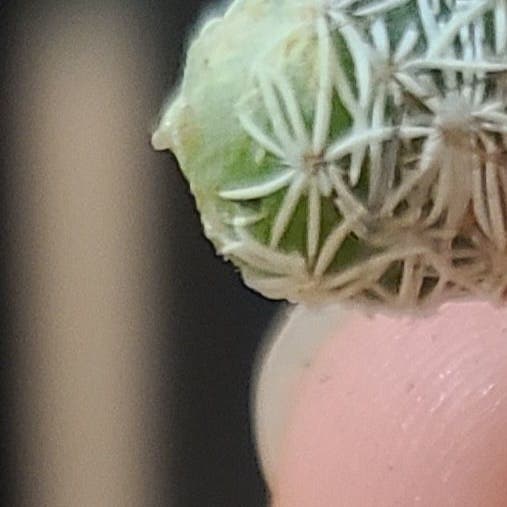
🌞 My Coryphantha elephantidens f. cristata's Sunlight Needs
Coryphantha elephantidens f. cristata
By the Greg Editorial Team
Jun 07, 2024•3 min read
This article was created with the help of AI so we can cover more plants for you. May contain errors. See one? Report it here.
- Intense sunlight is key for thriving Coryphantha elephantidens f. cristata.
- 🌞 East or west windows indoors, morning sun with midday shade outdoors.
- 💡 LED grow lights can supplement light and stimulate flowering.
Soaking Up the Sun: Ideal Light Conditions for Your Coryphantha
🌵 Native Sun Worship: Understanding Its Wild Light Preferences
Coryphantha elephantidens f. cristata is a sun enthusiast in its natural habitat, thriving under intense light. The key is replicating this at home—aim for bright, indirect sunlight for the majority of the day.
🏡 Indoor Sunbathing Tips
East or west-facing windows are your Coryphantha's best friends indoors, offering the golden hours of sunlight without the midday glare. Rotate your plant regularly to prevent lopsided growth and ensure even light distribution.
🌅 Outdoor Placement Pointers
When outside, morning sun is your cactus's ally, but the midday sun is its nemesis. Find a spot that basks in early light but slips into shade as the day heats up. This mimics the cactus's natural conditions and prevents sunburn.
When the Sun Goes Down: Supplementing Light Indoors
💡 Choosing the Right Grow Light
LEDs are the indoor sun for your Coryphantha elephantidens f. cristata when natural light isn't cutting it. They're energy-efficient, with a spectrum close to natural sunlight, perfect for those short winter days or less-than-ideal indoor locations. Fluorescents are the old-school choice, less efficient but kinder to your wallet. Full-spectrum bulbs are your best bet, offering a range of wavelengths that mimic the sun's embrace.
💡 Positioning Your Grow Light
Get strategic with your grow light placement. Overhead or to the side, aim to emulate the sun's journey across the sky. The sweet spot for distance is typically 10-12 inches from your plant. Too close, and you're flirting with leaf burn; too far, and your cactus might start a futile stretch for the stars. Rotate your plant regularly to prevent it from becoming a lopsided dancer in the quiet disco of your living room. And remember, consistency is key—use a timer to maintain a steady light schedule, usually 8-12 hours, to keep your Coryphantha's growth robust and even.
Let There Be Blooms: Light's Role in Flowering
🌞 Sunlight and Flowering: Making the Connection
Adequate sunlight is non-negotiable for the Coryphantha elephantidens f. cristata's flowering ambitions. In its native habitat, this cactus relies on long days of bright light to signal the start of its blooming process. The quality of light is just as crucial, with a preference for a mix of red and blue wavelengths, the secret sauce for floral success.
💡 Grow Lights and Blooms
Can artificial lights step up to the plate for flower stimulation? Absolutely. When sunlight is playing hard to get, grow lights can be a game-changer. Full-spectrum LEDs mimic the sun's natural spectrum, encouraging your Coryphantha to strut its floral stuff. It's not just about the light being on; it's about the right light intensity and duration. Use timers to simulate natural daylight cycles, especially during the shorter days of winter, and watch for those blooms to make their grand entrance.
⚠️ Safety First
This content is for general information and may contain errors, omissions, or outdated details. It is not medical, veterinary advice, or an endorsement of therapeutic claims.
Always consult a qualified healthcare professional before using any plant as food, medicine, or supplement.
Never eat any plant (or feed one to pets) without confirming its identity with at least two trusted sources.
If you suspect poisoning, call Poison Control (800) 222-1222, the Pet Poison Helpline (800) 213-6680, or your local emergency service immediately.
Spotted an error? Please report it here.
With Greg's PlantVision, effortlessly position your Coryphantha for optimal sunlight and let the app's custom reminders ⏲ keep your plant thriving with the perfect light schedule.