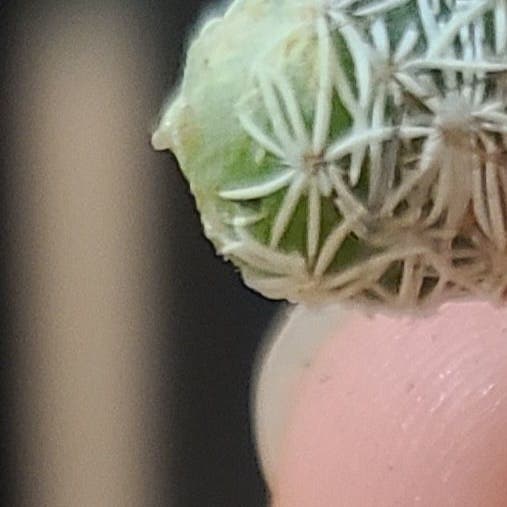
Coryphantha elephantidens f. cristata Root Rot Solutions
Coryphantha elephantidens f. cristata
By the Greg Editorial Team
Jun 07, 2024•4 min read
This article was created with the help of AI so we can cover more plants for you. May contain errors. See one? Report it here.
- Spot root rot early with discoloration, mushiness, and foul odor.
- Surgical root removal and post-op care are crucial for recovery.
- Prevent with well-draining soil, proper watering, and regular inspections.
Spotting Trouble: Recognizing Root Rot Signs
🚩 Visual Red Flags
Discoloration and mushiness at the base of your Coryphantha elephantidens f. cristata are the equivalent of a red alert. Healthy roots boast a robust white color and a firm texture. If they resemble overcooked noodles, it's time to take notice.
🚨 When to Sound the Alarm
The severity of symptoms dictates the urgency of your response. A few brown roots might call for quick action, but if the majority of the root system is mushy and discolored, it's a 911 situation. Don't be fooled by a dry surface; the real trouble is lurking below. Trust your senses, especially your nose—a foul odor is a telltale sign of root rot.
First Response: Immediate Steps to Address Root Rot
🏥 Root Triage and Surgery
Sterilize your tools; it's non-negotiable. You're the surgeon, and your cactus is the patient. With alcohol or a 10% bleach solution, ensure your scissors or shears are pathogen-free. Now, inspect the roots. Healthy ones are firm and white. Rotten ones? Mushy and discolored. They've got to go. Snip carefully, even into the healthy tissue, to ensure no rot lingers.
🚑 Post-Op Care
After the operation, let the cactus's roots dry. This is their recovery room, free from the risk of infection. No watering just yet—dry soil is your ally against pathogens. Once the wounds have had time to callous, it's time for fungicide. Choose a cactus-friendly option and apply meticulously, following the instructions to the letter. This isn't a cure; it's a shield for the healthy roots.
Crafting the Perfect Environment for Recovery
🌵 Soil and Pot Perfection
Choosing the right soil mix and pot type is critical for the recovery of your Coryphantha elephantidens f. cristata. A soil that boasts excellent drainage is non-negotiable; think cactus mix jazzed up with perlite or coarse sand. When it comes to pots, it's all about those drainage holes. Size is also key; a snug fit prevents excess moisture, which is basically an invitation for root rot to return.
🌞 The Ideal Spot
Your cactus needs a spot that's just right. Bright, indirect light is the sweet spot; too much sun can lead to a cactus sunburn, too little and it'll yearn for more. Stable temperatures are like a comfort blanket for your prickly friend, helping it avoid the shock of sudden environmental changes. Remember, the goal is to create conditions that mimic the cactus's natural habitat, not a roller coaster ride of extremes.
Long-Term Defense Strategies Against Root Rot
💧 Watering Wisdom
Proper hydration is the linchpin of root health. To avoid the swampy conditions root rot thrives in, let the top inch of soil dry out before rewatering. A moisture meter isn't just a gadget; it's your secret weapon in the war against overwatering.
🛡️ Proactive Plant Parenting
Vigilance is key. Make regular root inspections a part of your routine, like brushing your teeth but for your plant. And don't just eyeball it—get hands-on. Feel the soil, check the roots, and be ready to act. Use sterilized tools to prune away any rot, and remember, cleanliness is a plant's best friend.
🌱 Soil and Environmental Mastery
Your soil should be as well-draining as a colander. Mix in perlite or sand to keep it airy, like a good loaf of sourdough. And don't let your cactus sit in the dark; ensure it's getting the right amount of sunshine and warmth to promote healing.
💦 The Art of Watering
Think of watering like a tailored suit—it should fit your plant's needs perfectly. Adjust with the seasons; your cactus slurps more in the summer heat than in the winter chill. And always water in the morning, so the plant has all day to dry off in the sun's embrace.
🚫 Preventative Treatments
Consider preventative treatments as your plant's personal health insurance. A little bit of care now can save a lot of trouble later. Keep an eye out for products that promote root health and use them as directed. It's like giving your plant a vitamin boost.
Remember, the goal is to create an environment where root rot simply can't take hold. It's about being proactive, not reactive. Your cactus depends on you to be its champion against the dreaded rot.
⚠️ Safety First
This content is for general information and may contain errors, omissions, or outdated details. It is not medical, veterinary advice, or an endorsement of therapeutic claims.
Always consult a qualified healthcare professional before using any plant as food, medicine, or supplement.
Never eat any plant (or feed one to pets) without confirming its identity with at least two trusted sources.
If you suspect poisoning, call Poison Control (800) 222-1222, the Pet Poison Helpline (800) 213-6680, or your local emergency service immediately.
Spotted an error? Please report it here.
Prevent coryphantha elephantidens f. cristata root rot by spotting early signs and let Greg preventatively remind you 🛡️ to inspect, prune, and water perfectly!