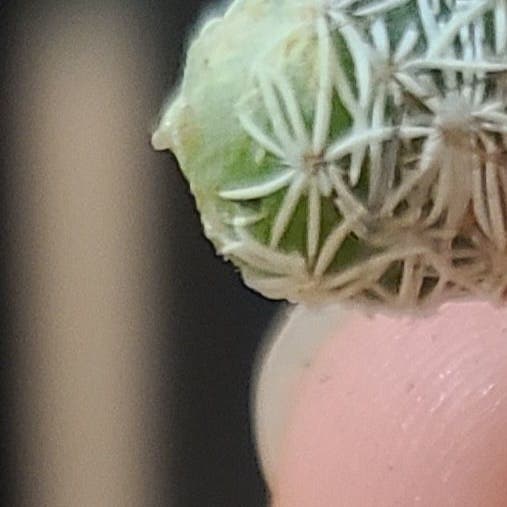
Black Spots On Coryphantha Elephantidens F. Cristata Leaves
Coryphantha elephantidens f. cristata
By the Greg Editorial Team
Jun 07, 2024•4 min read
This article was created with the help of AI so we can cover more plants for you. May contain errors. See one? Report it here.
- Fungal infections, sunburn, pests: main causes of black spots on cacti.
- 🌵 Use fungicides, adjust light/airflow to treat and prevent black spots.
- Regular check-ups and care adjustments keep your cactus spot-free and healthy.
Spotting the Culprits: Causes and Identification
🍄 Fungal Foes
Fungi are the stealthy invaders of the cactus world, leaving behind black spots with a distinct appearance. These spots often show up as circular lesions, sometimes surrounded by a yellowish halo, hinting at a fungal shindig. To catch these party crashers, look for a powdery or flaky surface and clusters of spots that seem to follow no rhyme or reason.
☀️ Sunburn Scars
Too much love from the sun can lead to sunburn spots. These are the cactus's equivalent of a bad tan, appearing as uneven black or brownish areas. They're a direct cry for help, signaling that your plant needs a break from the intense light. Unlike fungal spots, sunburn marks lack a pattern and are a sign to reassess your cactus's sunbathing habits.
🐜 Pesty Problems
Pests like scale insects and spider mites are the uninvited guests at the plant party, leaving behind black spots as their calling card. These spots are often accompanied by a sticky residue, a telltale sign of sooty mold from the pests' sugary excretions. Spider mites also leave behind fine webs, giving away their presence. If you spot these signs, it's time to show these pests the door.
First Aid for Black Spots
🍄 Fungus Among Us: Getting Rid of Mold & Mildew
Fungicides are your cactus's knights in shining armor, but only if you use them correctly. Read the label like it's the last piece of chocolate in the box—precious and essential. Cover every leaf, every spot; it's a game of hide and seek where you're seeking to obliterate. And remember, timing is everything—stick to the schedule like it's your favorite TV show.
Airflow is your new best friend. Think of it as the cool breeze on a hot day for your plant. Space out your cacti like they're introverts at a party—everyone needs a little breathing room. Water in the morning, so the leaves have time to dry out, because nothing invites fungus over like a damp, dark environment.
🌞 Healing Sunburnt Skin
If your cactus is looking a bit like a lobster, it's time to find some shade. Move it to a spot where the sun is bright but not harsh—like a sunny winter morning, not a mid-July scorcher. It's about finding that Goldilocks zone of sunlight—not too much, not too little.
🐜 Evicting Pests
When it comes to pests, you've got choices: go natural or go nuclear. Neem oil is like the bouncer who uses reason instead of brute force. But if you're dealing with the plant equivalent of a bar fight, you might need chemical pesticides. Suit up for safety, keep the pets and kids away, and follow the instructions like you're defusing a bomb. Rotate your methods to keep those pesky pests guessing.
Keeping the Spots at Bay: Prevention Tactics
🌞 Perfecting the Environment
Light and airflow are the twin guardians of plant health. Too much sun is a recipe for leaf burn, while too little is an open invitation for fungi. Strike that perfect balance for a sun-kissed, not sun-slapped, cactus. Water with precision—let the soil dry out between waterings to prevent unwanted fungal raves. Humidity should hit the sweet spot; use a hygrometer to keep it in the ideal 40-60% range.
👩🌾 Vigilant Plant Parenting
Regular check-ups are like routine health screenings for your plant. They help you spot early signs of trouble and act fast. Adjust your care with the seasons—ease up on watering in winter and dial up the shade in summer. Keep your plant's living area as clean as a whistle; debris is a no-go. Quarantine new plants like they're the latest tabloid scandal—better safe than sorry. Remember, prevention is a proactive gig, not a reactive one.
⚠️ Safety First
This content is for general information and may contain errors, omissions, or outdated details. It is not medical, veterinary advice, or an endorsement of therapeutic claims.
Always consult a qualified healthcare professional before using any plant as food, medicine, or supplement.
Never eat any plant (or feed one to pets) without confirming its identity with at least two trusted sources.
If you suspect poisoning, call Poison Control (800) 222-1222, the Pet Poison Helpline (800) 213-6680, or your local emergency service immediately.
Spotted an error? Please report it here.
Keep your cactus spotless and thriving 🌵 with Greg's tailored care reminders, helping you prevent and address those pesky black spots with ease.