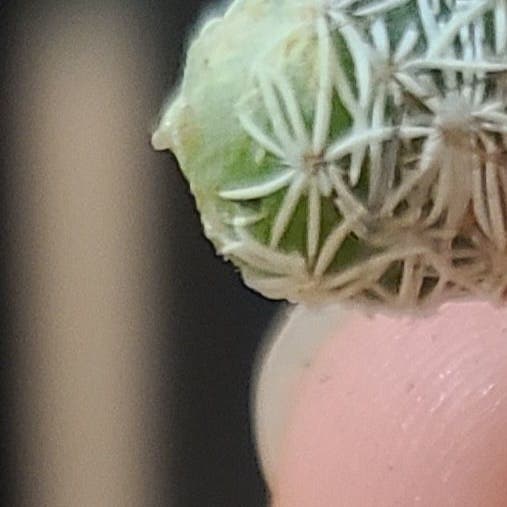
Brown Spots On Coryphantha Elephantidens F. Cristata Leaves
Coryphantha elephantidens f. cristata
By the Greg Editorial Team
Jun 07, 2024•5 min read
This article was created with the help of AI so we can cover more plants for you. May contain errors. See one? Report it here.
- Early detection is key to managing brown spots effectively.
- Sunburn, water, fungi, pests: common culprits of brown spots.
- Prevent with care: shade, dryness, airflow, and regular inspections.
Spotting Trouble: Early Signs of Brown Spots
🕵️ Visual Cues: The First Hint
Early detection of brown spots on Coryphantha elephantidens f. cristata is crucial. Look for irregularities on the leaves—spots that are raised, sunken, or flat. Unlike the plant's natural markings, these spots are random and can quickly grow or multiply.
⏰ Timing: When Vigilance is Vital
Brown spots can appear at any time but are often most noticeable following environmental changes or care mistakes. They may show up on mature sections, new growth, or anywhere in between. Stay alert for these changes, especially during seasonal transitions or after altering your plant's care routine.
🎯 Spot Patterns: Decoding Distress Signals
The pattern of brown spots can be a window into your plant's health. Are they uniform, scattered, or do they have concentric rings or a yellow halo? These patterns are not just random; they're signs that your plant may be under stress.
📏 Texture and Progression: Understanding Severity
Note the texture of the spots—are they dry and crispy or wet and soggy? Observe their progression; spots that start small and grow or those that multiply quickly need immediate attention.
🌡️ Environmental Factors: Keeping Conditions Optimal
Keep an eye on the environment—too much sun, insufficient light, and drastic temperature changes can all contribute to the appearance of brown spots. Adjust these factors as needed to maintain the health of your cactus.
🚨 Immediate Recognition Tactics
Don't hesitate to inspect your plant closely. Flip the leaves to check the undersides and feel the texture of the spots. Look for any accompanying signs like yellow halos or patterns that suggest a fungal issue, and keep an eye out for tiny holes or trails that indicate pests.
👁️ Visual Comparison: Using Resources
When in doubt, compare the affected leaves with online images to match the symptoms. This can help you decode the message the brown spots are sending and take appropriate action.
The Usual Suspects: Identifying Causes of Brown Spots
☀️ Sunburn Strikes
Sunburn-induced brown spots on Coryphantha elephantidens f. cristata are the plant equivalent of a bad sunburn. Crispy and bleached, these spots often appear on the most exposed areas.
🛡️ Shielding Your Cactus
Shade is crucial during peak sunlight hours. Consider a sunshade or moving your cactus to a less intense light environment to prevent sunburn.
💧 Water Woes
Overwatering can lead to brown spots that are mushy and dark, resembling a plant's cry for help. Underwatering, on the other hand, results in dry, crispy spots.
🚰 Fine-Tuning Watering
Balance is key. Water only when the soil feels as dry as a desert, and ensure proper drainage to keep those roots from drowning.
🍄 Fungal Foes
Fungal infections flaunt their presence with brown spots surrounded by yellowish halos. High humidity and poor air circulation are their best friends.
🌿 Anti-Fungal Environment
Keep the air moving and the humidity down. Avoid overwatering and consider a fungicide if you spot trouble.
🐜 Pest Problems
Pests like mites or thrips leave tiny brown dots and sometimes webbing. They're the sneaky culprits behind some brown spots.
🛡️ Pest Control
Regular inspections are key. If you spot pests, consider natural or chemical remedies and always follow up with preventative measures to keep them from returning.
First Aid for Your Cactus: Treating Brown Spots
🌵 Drying Out: The First Step to Recovery
When brown spots attack your Coryphantha elephantidens f. cristata, it's time to play the drying game. Cease all watering immediately. Let the soil go bone-dry before you even think about giving it another sip. This isn't neglect; it's tough love.
🦠 Fungicide to the Rescue
Fungicide is your cactus's knight in shining armor. But don't get trigger-happy; read the label and use it like you're defusing a bomb—carefully and precisely. Neem oil or a suitable fungicidal spray can turn the tide in this microscopic war.
🐜 Evicting Pests
Pests are like bad roommates; they make a mess and never clean up. Show them the door with a one-two punch of natural or chemical remedies. Keep those peepers peeled for early signs of infestation, and remember, prevention is cheaper than the cure.
Keeping Your Cactus Spot-Free: Prevention Tips
🌞 The Balance of Sunlight and Shade: Finding the Sweet Spot
Your cactus isn't a sun worshipper; it's more of a shade seeker. Bright, indirect sunlight is the mantra here. Too much sun leads to a cactus sunburn, and nobody wants to see a cactus with a peeling tan. Find a spot that offers a mix of light and shadow, and watch your cactus thank you with spotless growth.
💧 Watering Wisdom: Avoiding Excess Moisture
Overwatering is the fast track to Cactus Brown Spot City. The golden rule? Water only when the soil feels like a dry martini—bone dry. Deep, infrequent watering is the ticket to a happy, hydrated, and spot-free cactus. Remember, these prickly pals are more camel than fish.
🐜 Vigilance Against Vermin: Regular Checks for Pests
Pests are the party crashers of the cactus world. Keep them off the guest list with regular plant inspections. Flip those leaves, peek into nooks, and if you spot trouble, act fast. A dry environment with good airflow is the equivalent of a bouncer at the door, keeping those pesky pests out.
⚠️ Safety First
This content is for general information and may contain errors, omissions, or outdated details. It is not medical, veterinary advice, or an endorsement of therapeutic claims.
Always consult a qualified healthcare professional before using any plant as food, medicine, or supplement.
Never eat any plant (or feed one to pets) without confirming its identity with at least two trusted sources.
If you suspect poisoning, call Poison Control (800) 222-1222, the Pet Poison Helpline (800) 213-6680, or your local emergency service immediately.
Spotted an error? Please report it here.
Prevent brown spots 🍂 on your Coryphantha elephantidens f. cristata by leveraging Greg's tailored care plans and vigilant community for early detection and expert advice.