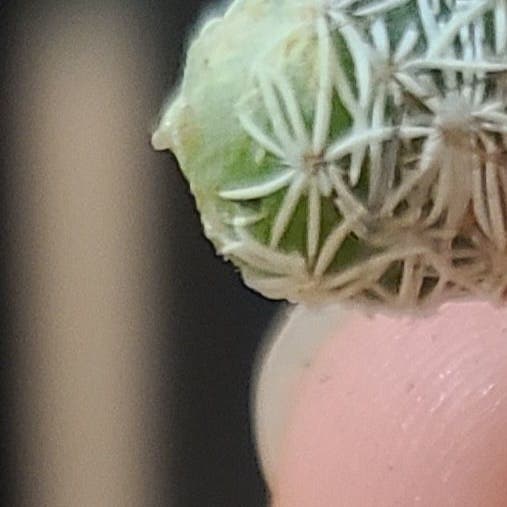
Best Soil for Coryphantha elephantidens f. cristata
Coryphantha elephantidens f. cristata
By the Greg Editorial Team
Jun 07, 2024•4 min read
This article was created with the help of AI so we can cover more plants for you. May contain errors. See one? Report it here.
- Mold and root rot signal soil distress; address with dry-out and drainage.
- Ideal soil mix: cactus substrate, sand/pumice, perlite, peat moss, compost, lime.
- Sterilize and balance pH/nutrients for a thriving Coryphantha elephantidens f. cristata.
Spotting Trouble: When Your Cactus's Soil Goes Bad
🚨 Signs Your Soil is Unhappy
Mold in your cactus soil is not a fashion statement; it's a distress signal. If you see fuzzy growths or a slimy sheen, your soil is screaming for help. A musty odor? That's the soil's equivalent of a red flag.
💀 Root Rot and Stunted Growth: The Consequences of Ignoring Soil Health
Ignoring the signs of poor soil can lead to root rot, the silent killer of cacti. If your Coryphantha elephantidens f. cristata looks less perky, it's time for a soil health check-up. Stunted growth isn't just a phase—it's a symptom of a deeper issue.
Fixing the Dirt: Solutions for Unhealthy Soil
🍄 Mold Be Gone: Dealing with Fungal Foes
Scrape off visible mold; it's the first step to reclaim your cactus's soil. Next, embrace the drought; let the soil dry out completely before you even think about watering again. If mold clings like a bad habit, introduce perlite or pumice to the mix for aeration that tells mold to take a hike.
🚰 Drainage Drama: Ensuring Your Soil Isn't Waterlogged
Drainage holes are your soil's lifeline—make sure they're not just for show. If your soil's more waterlogged than a sunken ship, it's time to mix in some coarse sand or gravel. Think of it as giving your cactus soil a gritty edge. And when it comes to watering, less is definitely more. Your cactus craves neglect; indulge it.
Crafting the Perfect Cactus Bed: Ideal Soil Mix Ingredients
🌵 The Building Blocks of a Happy Cactus Home
Creating the ideal soil mix for Coryphantha elephantidens f. cristata is like assembling a dream team for your plant's roots. Begin with a quality commercial cactus substrate as your base; this is the backbone of your mix. Add coarse siliceous sand or pumice to ensure rapid drainage, preventing any water-logged nightmares. Perlite is your go-to for preventing compaction, keeping the soil fluffy and breathable. Introduce sphagnum peat moss for moisture control, it's like a thermostat for the soil's water levels. For a nutrient kick, toss in worm castings or compost; think of it as a vitamin boost for your cactus. Lastly, a dash of lime will balance the pH, keeping the soil from going too acidic or alkaline.
Mixing It Right: Ratios and Textures
The art of soil mixing is all about balance. You're aiming for a mix that's one part potting soil, one part coarse sand, and one part perlite. This isn't a strict recipe, so feel free to adjust based on your cactus's performance. If your plant is throwing a fit with slow growth, it might need better drainage—increase the sand or perlite. Keep an eye on the pH level; aim for a slightly acidic environment between 6.0 and 7.5. Adjust with limestone or sulfur if you're off the mark. Remember, you're the director of this soil saga, so tweak your mix until your cactus gives a standing ovation.
DIY Soil Workshop: Making Your Own Cactus Mix
🌵 Sterilize and Mix: Preparing Your Ingredients
Sterilizing your soil components isn't just a good idea—it's your cactus's armor against the microbial onslaught. Nuke your garden soil in the microwave for a solid 3 minutes or give it a 45-minute sauna in the oven at 350°F (180°C). Remember to let it cool; you're not baking a cactus pie.
Mixing your soil is like being a DJ—every scoop should be as balanced as the last. Ensure you're not just throwing things together; uniformity is key. A well-mixed soil is like a well-orchestrated symphony—every part plays a role in harmony.
🌱 pH and Nutrients: Fine-Tuning for Perfection
Coryphantha elephantidens f. cristata is a bit of a diva when it comes to pH levels. Aim for a pH between 6.0 and 7.5—it's the sweet spot. If you need to adjust, limestone ups the alkalinity, while sulfur brings the acidity.
Nutrients are like the cactus's personal trainer—they keep it fit and healthy. But don't go overboard; too much of a good thing can be just as bad as too little. Balance is the name of the game. Keep an eye on your cactus's demeanor; it'll tell you if you're hitting the mark.
⚠️ Safety First
This content is for general information and may contain errors, omissions, or outdated details. It is not medical, veterinary advice, or an endorsement of therapeutic claims.
Always consult a qualified healthcare professional before using any plant as food, medicine, or supplement.
Never eat any plant (or feed one to pets) without confirming its identity with at least two trusted sources.
If you suspect poisoning, call Poison Control (800) 222-1222, the Pet Poison Helpline (800) 213-6680, or your local emergency service immediately.
Spotted an error? Please report it here.
Nurture your cactus 🌵 to perfection with Greg's tailored soil moisture alerts and nutrient balance tips, ensuring your spiky friend never suffers from mold or malnutrition.