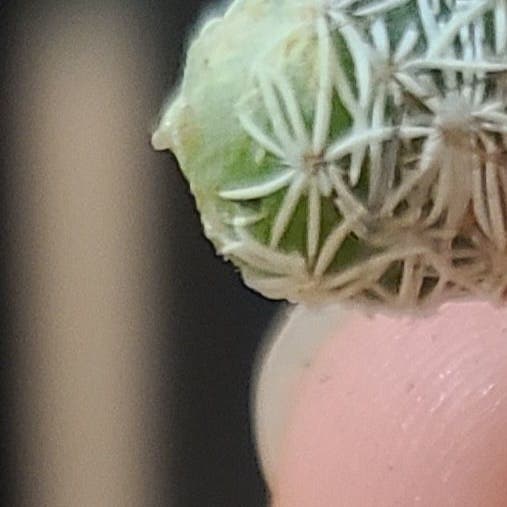
Coryphantha Elephantidens F. Cristata Leaves Dropping
Coryphantha elephantidens f. cristata
By the Greg Editorial Team
Jun 07, 2024•4 min read
This article was created with the help of AI so we can cover more plants for you. May contain errors. See one? Report it here.
- Visual cues indicate health: Discoloration and texture signal leaf drop.
- Water and light balance: Avoid over/underwatering and provide indirect sunlight.
- Regular care prevents issues: Monitor, adjust care, and inspect for pests.
Spotting the Signs of Trouble
🔍 Visual Symptoms
Identifying visual cues of leaf drop in Coryphantha elephantidens f. cristata is like playing detective. Leaves that appear discolored or have an odd texture are waving red flags. If they detach with a gentle tug, they're practically yelling for help. Keep an eye out for any changes that wouldn't land your plant in a beauty pageant.
Timing and Pattern
Leaf drop can seem like your cactus's version of throwing in the towel. If it's seasonal, it might just be a natural refresh. But if you're witnessing a leaf exodus that's more dramatic than your favorite reality TV show elimination round, it's time to take action. Understanding the timing and pattern of these drops is key to decoding your plant's distress signals.
Rooting Out the Causes
🚰 Thirsty or Drowning?
Watering is a tightrope walk for Coryphantha elephantidens f. cristata. Too much, and you're setting up a pool party for root rot. Too little, and your cactus is a parched desert wanderer. Check the soil an inch down; if it's dry, it's time to water. But remember, these plants prefer a drought to a deluge.
🌞 Feeling the Heat or Chills
Temperature control is crucial. Your cactus doesn't want to bake in a heatwave or shiver in a frost. Keep it comfortable—room temperature is the sweet spot. Shield your plant from direct heaters and chilly drafts. Think of it as creating a microclimate that doesn't swing to the extremes.
💡 Let There Be (The Right Amount of) Light
Lighting is like the Goldilocks conundrum for your cactus. Too much, and you risk a sunburnt plant. Too little, and it's a recipe for etiolation. Aim for bright, indirect sunlight and rotate the pot for even growth. If the sun's too intense, a sheer curtain can work wonders.
First Aid for Fallen Leaves
💧 Adjusting Your Watering Tactics
Overwatering is a common misstep that can lead to leaf drop in Coryphantha elephantidens f. cristata. To prevent this, wait for the top inch of soil to dry out before watering again. Observe the plant's reaction; if the leaves begin to recover, your watering schedule is on point.
🌱 Soil and Root Check-Up
Healthy roots are crucial for a thriving cactus. Ensure your pot has adequate drainage and consider adding perlite or coarse sand to the soil mix. This promotes air circulation and prevents water from overstaying its welcome. If roots are soggy or rotten, trim them carefully and repot the plant in fresh, well-draining soil.
🌞 Creating the Ideal Environment
Light and temperature control can make or break your cactus's health. Place your plant in a spot with bright, indirect sunlight and maintain a consistent temperature. If your home is more arid than a desert, think about using a humidifier to give your plant the moisture it craves.
Ongoing Care to Keep Leaves Intact
👩⚕️ Monitoring Plant Health
Regular check-ins are crucial for the health of your Coryphantha elephantidens f. cristata. Look for vibrant, spot-free growth as a sign of vitality. Brown spots or other discolorations? That's your cue to adjust your care approach.
🛡️ Preventative Measures
Consistency is your plant's best friend. Craft a care schedule that includes watering when the soil is dry, fertilizing monthly during growth periods, and pruning as necessary. Remember, this cactus doesn't hoard water like some succulents, so tailor your watering to its needs.
Avoid the common pitfalls of plant care by keeping a vigilant eye on your cactus. Inspect for pests, such as mealybugs, and treat promptly with soapy water or neem oil. Dust off those leaves to ensure optimal photosynthesis.
Seasonal maintenance isn't just busywork. It prepares your plant for periods of growth and dormancy, ensuring it doesn't take a nosedive into the leaf-drop zone.
Lastly, embrace the role of a plant sleuth. Regular visual inspections can prevent issues from escalating. Notice a change in leaf posture or color? Time to fine-tune your care routine like you're perfecting a recipe.
⚠️ Safety First
This content is for general information and may contain errors, omissions, or outdated details. It is not medical, veterinary advice, or an endorsement of therapeutic claims.
Always consult a qualified healthcare professional before using any plant as food, medicine, or supplement.
Never eat any plant (or feed one to pets) without confirming its identity with at least two trusted sources.
If you suspect poisoning, call Poison Control (800) 222-1222, the Pet Poison Helpline (800) 213-6680, or your local emergency service immediately.
Spotted an error? Please report it here.
Keep your Coryphantha elephantidens f. cristata leaf-drop-free 🌵 with Greg's tailored watering reminders, ensuring a happy cactus without the guesswork.