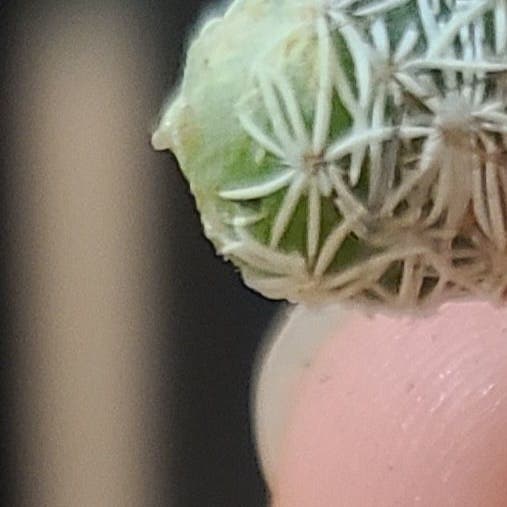
Common Coryphantha elephantidens f. cristata Problems
Coryphantha elephantidens f. cristata
By the Greg Editorial Team
Jun 07, 2024•4 min read
This article was created with the help of AI so we can cover more plants for you. May contain errors. See one? Report it here.
- 🌧️ Over-watering causes yellow leaves; let soil dry, repot with fast-draining soil.
- 🌡️ Keep 65°F-80°F, bright indirect light to prevent temperature and light stress.
- 🐛 Combat pests and mold with isolation, alcohol, soap, and good air circulation.
When Watering Goes Wrong: Over and Under-Watering
🌧️ Over-Watering Woes
Yellowing leaves and a pot that feels more like a bog than a home for your Coryphantha elephantidens f. cristata? You've overdone the H2O. The soil should never feel like a wet sponge; it should be moist but not waterlogged.
To rescue an over-watered Coryphantha, first, stop watering. Let the soil dry out. Check the roots for rot—snip off any black or mushy parts. If the soil is still soggy after a few days, consider repotting with a fast-draining mix.
🏜️ Under-Watering Troubles
Wilting and soil drier than a stand-up comedian's wit? Your Coryphantha is parched. Under-watering can be just as deadly as its soggy counterpart. The soil should never be bone dry for extended periods.
To revive a thirsty Coryphantha, give it a moderate drink. Ensure the water reaches the roots without flooding the plant. Going forward, check the soil moisture regularly—aim for slightly dry, not desert-like. Adjust your watering schedule as needed, keeping in mind seasonal changes.
Light and Temperature: Finding the Sweet Spot
🌞 Too Much Sun, Too Little Shade
Coryphantha elephantidens f. cristata thrives in bright, indirect light. Direct sunlight can cause leaf scorch, where the edges turn brown and crispy. If you spot this, it's time to shift gears and move your plant to a shadier location. A sheer curtain can be your best ally, diffusing harsh rays while still letting in plenty of light. And don't forget to rotate your plant regularly to avoid uneven growth.
❄️ Chilly Temps and Coryphantha Chills
When temperatures drop, your Coryphantha can suffer. It prefers a stable environment, ideally between 65°F and 80°F (18°C to 27°C). Watch out for drafts or sudden temperature changes, which can cause as much discomfort as a cold shower on a winter day. If you notice your plant looking unhappy, reassess its position to keep the temperature consistent. Remember, your Coryphantha's comfort zone is a no-surprise zone.
Uninvited Guests: Pests and Diseases
🐛 Pests: Mealybugs and Scale Insects
Mealybugs and scale insects are like party crashers for your Coryphantha elephantidens f. cristata. You'll know they've arrived unannounced when you spot cottony clusters or bumps masquerading as part of the plant. They're not just there for the ambiance; they're sucking the life out of your succulent and leaving behind sticky honeydew, which can lead to sooty mold.
To give these pests the boot, isolate your plant to prevent a full-blown infestation. A good swab with isopropyl alcohol or a spritz of insecticidal soap can send them packing. Remember, vigilance is key—regular check-ups can save you from a pest takeover.
🍄 Fungal Foes: Mold and Mildew
Fungus enters the scene quietly but can quickly take center stage if left unchecked. Black spots or a musty odor are your plant's distress signals. Mold and mildew love moisture, so ensure your Coryphantha isn't sitting in soggy soil.
Prevention is your best strategy against these fungal foes. Maintain good air circulation and avoid overwatering. If you do spot signs of fungus, remove the affected areas with clean, sharp tools. Applying a fungicide like neem oil can help clear up mild cases. As always, catching the problem early is the difference between a minor hiccup and a plant's downfall.
The Perils of Poor Planting: Root Rot and Soil Issues
🍄 Root Rot: The Silent Killer
Early detection is crucial in combating root rot. Look for wilting leaves that don't recover after watering, or a foul smell from the soil. If roots are mushy and discolored, it's time for action. Remove the plant, trim away the rotten roots, and repot in fresh, well-draining soil. Adjust your watering habits; let the soil dry out between sessions. Vigilance is your plant's best defense.
🌱 Soil and Repotting Missteps
Choosing the right soil and pot is essential for Coryphantha health. Well-draining soil prevents water from pooling, a leading cause of root rot. Ensure the pot has adequate drainage holes. When repotting, don't just top off; replace old soil to avoid pathogen parties. It's like hitting the reset button on your plant's health.
⚠️ Safety First
This content is for general information and may contain errors, omissions, or outdated details. It is not medical, veterinary advice, or an endorsement of therapeutic claims.
Always consult a qualified healthcare professional before using any plant as food, medicine, or supplement.
Never eat any plant (or feed one to pets) without confirming its identity with at least two trusted sources.
If you suspect poisoning, call Poison Control (800) 222-1222, the Pet Poison Helpline (800) 213-6680, or your local emergency service immediately.
Spotted an error? Please report it here.
Keep your Coryphantha flourishing 🌵 with Greg's personalized watering reminders and expert care tips to prevent pests and overwatering woes.