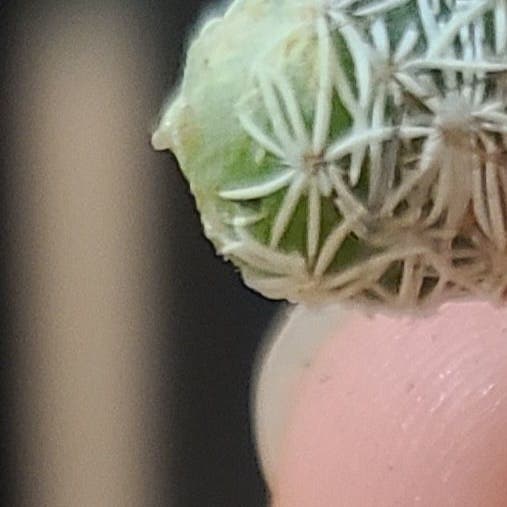
Coryphantha elephantidens f. cristata Temperature
Coryphantha elephantidens f. cristata
By the Greg Editorial Team
Jun 07, 2024•4 min read
This article was created with the help of AI so we can cover more plants for you. May contain errors. See one? Report it here.
- Ideal range 65°F to 75°F - slight night dips okay, avoid drastic changes.
- 🌡️ Watch for wilting or discoloration, signs of temperature distress.
- Balance humidity with temperature - use hygrometer, humidifier as needed.
Dialing in the Perfect Temperature
🌡️ What's Just Right?
Coryphantha elephantidens f. cristata thrives in a comfort zone of 65°F to 75°F during daylight. At night, a slight temperature dip is tolerable, but avoid drastic changes that could shock this sensitive plant.
🌬️ Seasonal Adjustments
Seasonal shifts require attention; protect your cactus from intense summer heat and ensure it's cozy, above 60°F, during winter months.
🥵 When It's Too Hot or Too Cold
Heat stress can push Coryphantha elephantidens f. cristata to its limits, causing dehydration and wilting. Conversely, temperatures below 60°F invite cold damage, manifesting as soft spots or a halt in growth. Keep the thermometer steady to avoid these extremes.
Spotting Trouble: Signs of Temperature Distress
🌵 Visual SOS
Wilting leaves on your Coryphantha elephantidens f. cristata are a red flag; they're not just slacking off, they're heat-stricken. Discoloration is another giveaway. Yellow leaves may scream 'I'm too hot!', while a purplish hue whispers 'I could use a sweater'. Stunted growth? That's your cactus hitting the pause button because the temperature's out of whack.
🎬 Behind the Scenes
When the mercury rises or falls too much, your cactus's internal processes go haywire. Enzymes that drive growth get sluggish in the cold or hyperactive in the heat. The plant's water balance can be thrown off, leading to those sad, wilting leaves or crispy edges. It's a silent struggle, but the visual cues are loud and clear if you're paying attention.
Turning Up the Heat (or Not)
🌡️ Common Culprits of Temperature Stress
Extreme weather can push Coryphantha elephantidens f. cristata beyond its comfort zone. Indoors, the heating and cooling systems might be the unseen villains, creating a climate that's as stable as a house of cards. Direct sunlight might cook your plant, while too much shade could leave it reaching for the light like a zombie to brains.
🛠️ Quick Fixes and Prevention
Monitoring is key. Keep a vigilant eye on the temperature, aiming for the plant's preferred range. If your cactus is baking in the sun, shade it. If it's shivering in the cold, consider a warmer spot or even a plant jacket (yes, they exist). A thermostat can be your best ally, acting as a gatekeeper against indoor temperature anarchy. Remember, good air circulation can prevent your plant from living in a microclimate that's a breeding ground for trouble. Keep humidity in check; it's the sidekick to temperature, and balance is the duo's superpower.
A Quick Nod to Humidity
💦 Humidity's Supporting Role
Humidity is the unsung hero in the plant world, especially for Coryphantha elephantidens f. cristata. It's easy to get caught up in temperature details and forget that humidity often holds the reins to plant health.
Perfect balance is key; too much humidity invites fungal nightmares, while too little turns leaves into crisp relics. This cactus variety thrives in moderate humidity, which complements its temperature needs without causing a scene.
🚰 The Hydration Buddy
Humidity acts as the plant's hydration buddy. It's essential for maintaining turgidity and preventing the dreaded crispy leaf syndrome. A hygrometer can be your best friend here, letting you keep an eye on moisture levels without resorting to guesswork.
🌿 Grouping for Moisture
Grouping plants can create a mini ecosystem, a trick that's as practical as it is clever. It's a natural humidifier without the electricity bill.
💨 Humidifier to the Rescue
During those dry winter months, a humidifier might just be the MVP, ensuring your Coryphantha elephantidens f. cristata doesn't throw in the towel due to arid air.
🌡️ The Humidity-Temperature Tango
Remember, warm air holds more moisture. If you're cranking up the heat, you might need to dial up the humidity too. But let's not turn our homes into rainforests; moderation is the golden rule.
📊 Monitoring for Mastery
Keep tabs on both temperature and humidity. They're like dance partners in the growth and health of your plant. One wrong step and the whole performance can falter.
🔄 Quick Adjustments
As seasons change, so should your care routine. Be vigilant and adjust to ensure your Coryphantha elephantidens f. cristata isn't left high and dry—or drowning in moisture.
⚠️ Safety First
This content is for general information and may contain errors, omissions, or outdated details. It is not medical, veterinary advice, or an endorsement of therapeutic claims.
Always consult a qualified healthcare professional before using any plant as food, medicine, or supplement.
Never eat any plant (or feed one to pets) without confirming its identity with at least two trusted sources.
If you suspect poisoning, call Poison Control (800) 222-1222, the Pet Poison Helpline (800) 213-6680, or your local emergency service immediately.
Spotted an error? Please report it here.
Ensure your Coryphantha elephantidens f. cristata adapts 🌡️ to every season with Greg's custom care alerts and a community to help you monitor those tricky temperature shifts.