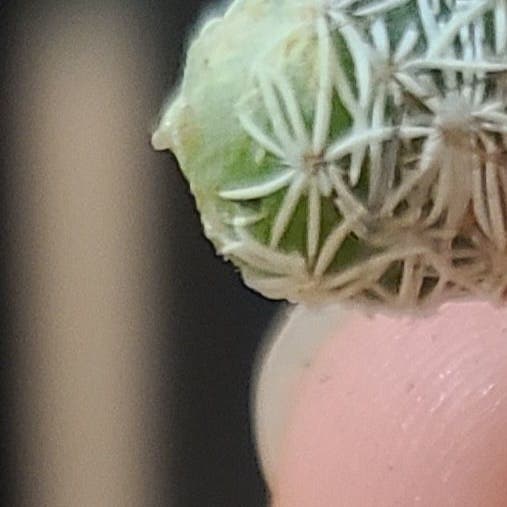
Coryphantha elephantidens f. cristata Humidity
Coryphantha elephantidens f. cristata
By the Greg Editorial Team
Jun 07, 2024•3 min read
This article was created with the help of AI so we can cover more plants for you. May contain errors. See one? Report it here.
- Ideal humidity is 30-50% for Coryphantha elephantidens f. cristata.
- 🌵 Shriveled leaves? Too dry. Fungal issues? Too humid.
- Hygrometers and airflow help manage the perfect humidity balance.
Dialing in the Perfect Humidity for Your Coryphantha
🌵 What's the Sweet Spot?
Coryphantha elephantidens f. cristata thrives in a humidity range of 30% to 50%. This is the cactus's comfort zone, crucial for its growth and flowering potential.
When the Air's Too Dry
Shriveled leaves are a distress call from your cactus, signaling that the air is too dry. To quickly raise humidity, consider a pebble tray with water or a periodic misting.
When It's a Humidity Jungle
High humidity can be a death sentence for your Coryphantha, leading to fungal infections and rot. Combat excess moisture by improving air circulation or using a dehumidifier.
Humidity Helpers: Tools and Tricks
🌡️ Measuring Up
Hygrometers are your humidity detectives. They're essential for keeping an eye on the moisture levels around your Coryphantha elephantidens f. cristata. Opt for a digital hygrometer for pinpoint accuracy. Remember, placement is key: keep it near your plant, but away from direct sunlight and drafts. Regular checks at different times of day will give you a full picture of your indoor humidity landscape.
🔄 Making Adjustments
If your hygrometer's numbers spell trouble, it's time to shuffle. Moving your cactus to a different spot might just hit the humidity sweet spot. If it's too dry, try shifting it to a naturally more humid room, like a bathroom with a shower. Too moist? Move it somewhere drier, like near a sunny window or in a room with better airflow. Your plant's comfort zone hinges on these small, yet smart, adjustments.
Creating a Humidity Haven
🌵 Group Therapy
Grouping your Coryphantha elephantidens f. cristata with other plants isn't just for show; it's a strategic move for humidity control. Each plant exhales moisture, and together, they create a microclimate. It's like each one is a tiny humidifier, contributing to the collective moisture of the group. Just ensure they're not too cozy—adequate space is crucial to prevent pest issues.
🏞️ Terrarium Tactics
Encasing your Coryphantha in a terrarium is like giving it a personal oasis. This controlled environment can maintain higher humidity levels, mimicking the cactus's natural habitat. However, be vigilant; terrariums need airing out to prevent mold and fungal issues. It's a delicate balance—creating a humid haven without turning it into a swamp.
When to Turn Down the Humidity
💨 Airflow and Ventilation
Good air movement is crucial for managing humidity levels around your Coryphantha elephantidens f. cristata. Ventilation is like the plant's personal space, allowing it to breathe without the stifling embrace of excessive moisture. Open a window or get a fan going to stir up a healthy breeze, preventing your cactus from feeling like it's stuck in a swamp.
🌬️ The Dehumidifying Duo
When the air feels like a wet blanket, it's time to bring in the dehumidifier. This device works tirelessly to slurp up that extra atmospheric moisture. But remember, it's a balancing act—use a hygrometer to monitor the humidity and ensure you're not turning your plant's habitat into a parched desert. When watering, think 'Goldilocks': not too much, not too little, but just right. Let the soil dry out between waterings to keep the humidity in check without drowning your cactus's roots.
⚠️ Safety First
This content is for general information and may contain errors, omissions, or outdated details. It is not medical, veterinary advice, or an endorsement of therapeutic claims.
Always consult a qualified healthcare professional before using any plant as food, medicine, or supplement.
Never eat any plant (or feed one to pets) without confirming its identity with at least two trusted sources.
If you suspect poisoning, call Poison Control (800) 222-1222, the Pet Poison Helpline (800) 213-6680, or your local emergency service immediately.
Spotted an error? Please report it here.
Keep your Coryphantha elephantidens f. cristata happy and hydrated 💧 with Greg's personalized care reminders, ensuring the perfect humidity without the fuss.