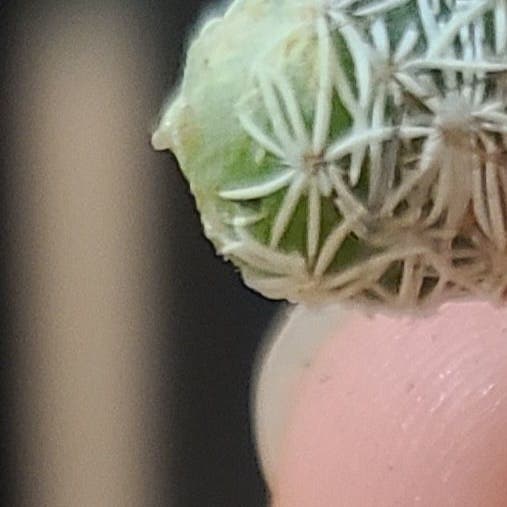
Coryphantha Elephantidens F. Cristata Mushy Leaves
Coryphantha elephantidens f. cristata
By the Greg Editorial Team
Jun 07, 2024•5 min read
This article was created with the help of AI so we can cover more plants for you. May contain errors. See one? Report it here.
- Mushy leaves signal distress; firmness indicates health.
- Overwatering and poor drainage lead to root rot and mushy leaves.
- Act swiftly against root rot: sterilize, trim, repot, and dry out.
Spotting Trouble: Recognizing Mushy Leaves
🚨 Visual Clues: Spotting the Soggy Culprit
When your Coryphantha elephantidens f. cristata starts looking less like a cactus and more like an overcooked zucchini, it's time to pay attention. Discoloration is your first visual clue; look for leaves that have lost their vibrant green and are turning a sickly yellow or brown. If they're dropping off with just a gentle touch, it's not just a bad day—it's a cry for help.
🖐️ Touch and Tell: The Feel of Unhealthy Leaves
Get hands-on and give those leaves a gentle squeeze. A healthy leaf should feel like a firm handshake, not a limp fish. If it collapses under your fingers, it's entered the mush zone. This isn't just a textural faux pas; it's a sign that your plant is in serious distress.
🔍 Root Check: Unearthing the Hidden Problems
Time to play detective and check out the roots. If they're looking more brown and mushy than white and firm, you've got a case of root rot on your hands. And if there's a smell that reminds you of a damp basement, that's the olfactory red flag you can't ignore. Healthy roots don't smell like they're starring in a B-grade horror flick.
The Water Woes: Overwatering and Poor Drainage
🌧️ Too Much Love: The Perils of Overwatering
Overwatering is the equivalent of a helicopter parent in the plant world; it's well-intentioned but can smother. Coryphantha elephantidens f. cristata is no exception. Its succulent nature means it stores water in its leaves, so when you pour your heart out into the watering can too often, you're actually drowning its roots. Yellowing leaves and a pot that feels like it's been doing weights are your red flags.
🚰 The Drain Game: Ensuring Proper Soil and Pot Drainage
Your cactus's pot should be less like a bathtub and more like a well-functioning sink. Drainage holes are non-negotiable—they're the escape route for excess water. If they're as clogged as a teenager's pores, it's time for an intervention. Mix in some gritty friends like perlite or coarse sand to keep the soil from getting clingy. And if you're feeling fancy, a terracotta pot is like the breathable cotton underwear for plants; it wicks away moisture, keeping those roots in the comfort zone. Remember, when it comes to watering, think of it as a fine scotch—best enjoyed in moderation.
Root of the Issue: Tackling Root Rot
🌱 Unraveling Root Rot: Identifying and Understanding Its Impact
Root rot is the silent assassin of the plant world. It's a condition where the roots of a plant decay due to overwatering or fungal infections. Healthy roots are typically white and firm, while those affected by root rot turn brown, mushy, and may emit a foul odor. This decay can spread upwards, affecting the stem and leaves, eventually leading to the plant's demise if not addressed promptly.
🚑 First Aid for Roots: Steps to Take When Root Rot Strikes
When you suspect root rot, act swiftly. Remove the plant from its pot and gently shake off the soil for a clear view of the roots. Healthy roots should be white or tan and firm to the touch. If they're brown, soft, or smell bad, it's time to intervene.
- Sterilize your cutting tools to prevent spreading any disease.
- Trim away the rotten roots; be ruthless but careful not to damage healthy tissue.
- Clean the remaining roots with a fungicide or a mild hydrogen peroxide solution to kill off any lingering pathogens.
- Allow the roots to air dry to reduce excess moisture.
- Repot the plant in fresh, sterile soil and ensure the pot has adequate drainage.
Remember, root rot doesn't take a day off. Regular inspections and proper watering are your best defense against this stealthy adversary.
Bouncing Back: Reviving Your Cactus
💧 Drying Out: Techniques to Reduce Excess Moisture
When your Coryphantha elephantidens f. cristata is more mush than might, it's time for a drying out intervention. Cease watering immediately to halt the progression of rot. Relocate your cactus to a spot with ample airflow; this could be near an open window or beneath a fan. This isn't neglect—it's tough love.
✂️ Surgical Strike: Pruning to Heal and Prevent Spread
Sterilize your pruning shears—think of it as pre-op for your spiky patient. Snip off the afflicted parts, avoiding healthy tissue like a pro. After the operation, let the cactus's wounds callous over. This step is non-negotiable; it's the barrier against future infections.
Post-trim, shift your focus to the remaining healthy parts of your cactus. They need consistent care and a watchful eye to thrive. Ensure they receive the right balance of light and air circulation to ward off any new mushy mishaps. Remember, recovery is a marathon, not a sprint.
Keeping It Dry: Prevention Strategies
💧 Watering Wisdom: Crafting the Perfect Watering Schedule
Observation is key in crafting a watering schedule that doesn't lead to mushy leaves. Dryness at the top inch of soil is your green light to water. Use a moisture meter or the finger test to avoid guesswork. Remember, your cactus prefers a drought to a flood.
🌱 The Right Stuff: Choosing Soil and Pots for Healthy Roots
Terra cotta pots are your cactus's best friend, offering breathability and preventing water from overstaying its welcome. The soil should be a mix of gritty goodness, allowing for quick drainage and happy roots. A layer of pebbles at the bottom of the pot isn't just decorative—it's functional, keeping roots safe from excess moisture.
⚠️ Safety First
This content is for general information and may contain errors, omissions, or outdated details. It is not medical, veterinary advice, or an endorsement of therapeutic claims.
Always consult a qualified healthcare professional before using any plant as food, medicine, or supplement.
Never eat any plant (or feed one to pets) without confirming its identity with at least two trusted sources.
If you suspect poisoning, call Poison Control (800) 222-1222, the Pet Poison Helpline (800) 213-6680, or your local emergency service immediately.
Spotted an error? Please report it here.
Ensure your Coryphantha Elephantidens F. Cristata's leaves are firm and healthy 🌵 by using Greg to monitor soil moisture and optimize watering times.