How Often To Water Coryphantha Elephantidens F. Cristata
Coryphantha elephantidens f. cristata
By the Greg Editorial Team
Jun 07, 2024•5 min read
This article was created with the help of AI so we can cover more plants for you. May contain errors. See one? Report it here.
- Crested cacti need less water, thanks to unique retention abilities.
- 🌵 Seasonal changes dictate watering; more during growth, less in dormancy.
- Well-draining soil and bottom watering prevent overwatering issues.
When to Water: Reading Your Cactus's Thirst
💧 Understanding the Cactus's Water Needs
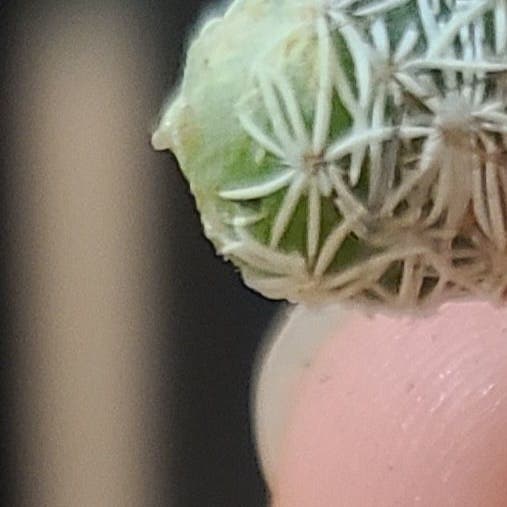
The crested form of Coryphantha elephantidens f. cristata means it's not just a pretty face; it changes the game for water retention. Its unique structure can trap moisture, altering its hydration needs. The cactus's desert origins dictate a survivalist approach to water—less is more, and timing is everything.
Seasonal Watering Rhythms
🌱 Active vs. Dormant Periods
When your cactus is in its growth spurt, it's time to up the hydration. But when it's chilling in its dormant phase, it's more about maintenance sips than full-on gulps. Seasonal shifts in temperature and light cue these changes, so stay alert.
🌺 Flowering and Winter Rest
During the flowering period, your cactus is showing off and may need extra drinks to support its efforts. Come winter, it's more about cozy conservation. Water sparingly, as if you're rationing for a snow day that might last all season.
How Much Water Does Your Cactus Crave?
💧 The Perfect Drink: Quantity Matters
Determining the right amount of water for your Coryphantha elephantidens f. cristata is like hitting the jackpot—it's rewarding and vital. Soak the soil until water escapes from the drainage holes, then let the plant bask in dryness until the next watering session. Well-draining soil is your ally here, preventing the dreaded waterlogged roots scenario.
🚰 Watering Methods Tailored for Crested Cacti
When it comes to hydrating your crested cactus, the debate of bottom vs. top watering is real. Bottom watering caters to the roots, avoiding moisture on the crests where it shouldn't linger. Top watering, though, requires finesse—aim for the base and avoid turning the crevices into mini pools. Watering tools? Keep it simple: a can with a long spout for precision, and a tray for those bottom-watering escapades.
Spotting Trouble: Signs of Improper Watering
🌊 Too Much of a Good Thing: Overwatering Woes
Yellow leaves are your cactus's way of saying, "Ease up on the water, buddy." If the soil feels like a soggy sponge, it's a clear sign you've gone overboard. Overwatering can lead to root rot, a death sentence if not caught in time. To correct this, let the soil dry out completely before the next watering, and consider increasing drainage with a gritty soil mix.
💧 When Thirst Strikes: The Underwatering Alert
Cacti are hardy, but they'll still throw a fit if they're too dry. Look for curled leaves and soil as parched as a desert. Underwatering makes your cactus's skin feel brittle and lifeless. To rehydrate, give your plant a thorough watering, allowing moisture to reach deep into the roots. Then, establish a regular watering schedule to avoid future droughts. Remember, consistency is key—your cactus craves a stable drinking routine.
Adapting to Your Environment
🏜️ Home Sweet Home: Mimicking the Desert
Caring for Coryphantha elephantidens f. cristata means adapting your watering to mirror its arid homeland. Your local climate isn't just a weather report—it's a blueprint for your cactus care routine.
🌡️ Adjusting to Local Climate
Indoor conditions often differ from the great outdoors. Dry air from heating systems or a lack of airflow can dehydrate your cactus faster than a tourist in Death Valley. Conversely, a humid room might have your cactus swimming in moisture. Keep tabs on your home's humidity and temperature, and adjust your watering accordingly.
🌳 Outdoor Considerations
If your cactus is basking outside, it's at the mercy of Mother Nature. Sun exposure, wind, and local precipitation patterns dictate your plant's thirst. A shaded patio in Seattle demands a different approach than a sunny balcony in Phoenix.
🌱 Microclimate Mastery
Create a cactus-friendly microclimate. Grouping plants can raise humidity levels, while a strategic location can shield your cactus from harsh elements. It's like crafting a mini ecosystem—a bubble of perfect weather for your spiky friend.
🍂 Seasonal Sensitivity
Seasons change, and so should your watering game. A cactus on a summer sun spree will guzzle water, while in winter, it's more about the occasional sip. Watch for seasonal shifts and tweak your watering to hit that sweet spot.
💡 Indoor Lighting Influence
Lighting isn't just for ambiance; it affects how much water your cactus craves. Bright, indirect light ups the ante on hydration, while a dim corner means less frequent watering. Keep an eye on light levels throughout the day and adjust your watering rhythm to match.
🌡️ Temperature and Water Uptake
Temperature fluctuations can turn your watering schedule upside down. A warm room accelerates your cactus's water uptake, while a cooler spot slows it down. It's not about sticking to a calendar—it's about responding to the indoor climate.
💧 Humidity and Hydration
Low to moderate humidity is the sweet spot for your desert dweller. High humidity is a fungal fiesta waiting to happen. Keep it on the drier side to avoid unwanted moisture mishaps.
🌧️ Weather and Watering
Your cactus doesn't care what the weatherman says—it feels what's happening. Dry spells mean more TLC, while rainy days might give you a break. Stay responsive to the skies, and you'll keep your cactus happy and hydrated.
⚠️ Safety First
This content is for general information and may contain errors, omissions, or outdated details. It is not medical, veterinary advice, or an endorsement of therapeutic claims.
Always consult a qualified healthcare professional before using any plant as food, medicine, or supplement.
Never eat any plant (or feed one to pets) without confirming its identity with at least two trusted sources.
If you suspect poisoning, call Poison Control (800) 222-1222, the Pet Poison Helpline (800) 213-6680, or your local emergency service immediately.
Spotted an error? Please report it here.
Ensure your Coryphantha elephantidens f. cristata 🌵 never misses a beat with Greg's personalized watering reminders, adapting to every season's rhythm for a thriving cactus without the stress.