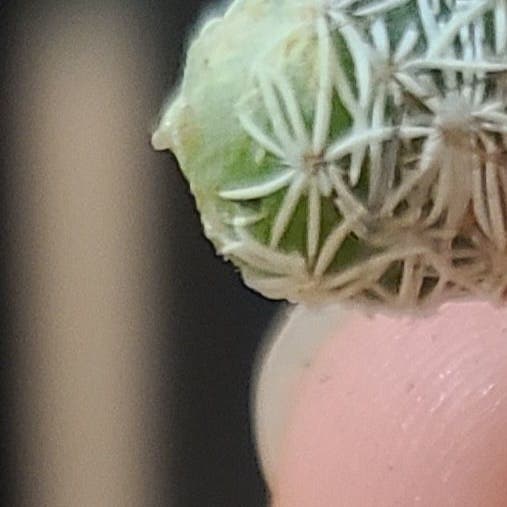
What Do Coryphantha elephantidens f. cristata Flowers Mean?
Coryphantha elephantidens f. cristata
By the Greg Editorial Team
Jun 07, 2024•3 min read
This article was created with the help of AI so we can cover more plants for you. May contain errors. See one? Report it here.
- Flowers signify health and maturity in Coryphantha elephantidens f. cristata.
- 🌵🌺 Sunlight and 65-75°F temperatures are key for blooming.
- Balanced feeding and watering encourage flowers, avoid overdoing it.
Decoding the Blooms: What Flowers Signal
🌵 The Language of Flowers in Cacti
Flowering is a cactus's high-five for good health and proper care. When Coryphantha elephantidens f. cristata bursts into bloom, it's not just showing off—it's demonstrating maturity and vitality. Blooms are the plant's way of saying, "I'm thriving, thanks to you."
Cultural and Symbolic Meanings
Cactus flowers are more than just botanical eye candy; they're steeped in symbolism. In various cultures, these resilient blooms represent endurance and love, a testament to surviving and flourishing under tough conditions. For the Coryphantha elephantidens f. cristata, its rare and striking flowers might just be the plant world's equivalent of a standing ovation for the grower's dedication.
Prime Conditions for Coryphantha Blooms
🌞 Light: The Ultimate Flower Power
Coryphantha elephantidens f. cristata demands sunlight to kick-start its blooming process. It's not just about quantity, but quality too. Red and blue wavelengths are like a secret recipe for flowering. Position your cactus to soak up those rays, ensuring it gets a full day's worth of light, especially during the growing season. Rotate it occasionally to prevent lopsided growth.
🌡️ Temperature: The Warmth to Wake the Blooms
The ideal temperature for Coryphantha blooms is a cozy 65-75°F (18-24°C). Consistency is key; avoid drastic swings that could stress your spiky friend. As buds appear, fine-tune the warmth to encourage full bloom. Remember, too hot and you'll stress it out, too cold and it might not bloom at all. A slight chill can act as a gentle nudge, signaling it's showtime for flowers.
Encouraging Flowering: Tips and Tricks
💐 Feeding for Flowers
To ignite the flowering process, fertilization is key. Use a phosphorus-rich fertilizer, like a 10-30-20 blend, to give your cactus the necessary pep talk. The best time to fertilize is during the growing season, but when winter hits, it's hands-off time—your cactus needs its rest.
💦 Watering Wisdom
Watering is less about a schedule and more about judgment. Keep the soil moist but not soggy during bloom season. Think of it as keeping your cactus on a steady sip rather than a gulp. Overwatering is a no-no; it's like drowning your plant's chances of a floral show. Remember, balance is the name of the game—water only when the soil is dry to the touch, and cut back in the winter to mimic natural conditions.
Recognizing and Supporting the Flowering Cycle
🌸 Spotting the Signs of Upcoming Blooms
Bud emergence is your green light. Look for new growth at the cactus's base or tips, signaling an imminent bloom. The appearance of these buds indicates that your cactus is gearing up for its floral showcase.
🌼 Seasonal Expectations
Expect flowers primarily in spring or summer when the cactus is mature and the conditions are right. As winter recedes, gradually increase temperatures to nudge your cactus out of dormancy and into bloom prep mode. This is the plant's version of a warm-up before the main event.
Tailoring the Environment for Blooms
As autumn nears, cooler temperatures act as a cue for your cactus to gear up for blooming. Avoid sudden temperature shifts; consistency is key. Maintain a stable environment, and your cactus will likely thank you with flowers.
Water and Nutrition: The Blooming Boosters
Use organic fertilizers like worm castings or water-soluble options, but don't overdo it. Overfeeding can cause nutrient burn. During growth phases, a bi-weekly fertilizing schedule can be beneficial, but taper off as the cactus enters dormancy to prevent over-fertilization.
⚠️ Safety First
This content is for general information and may contain errors, omissions, or outdated details. It is not medical, veterinary advice, or an endorsement of therapeutic claims.
Always consult a qualified healthcare professional before using any plant as food, medicine, or supplement.
Never eat any plant (or feed one to pets) without confirming its identity with at least two trusted sources.
If you suspect poisoning, call Poison Control (800) 222-1222, the Pet Poison Helpline (800) 213-6680, or your local emergency service immediately.
Spotted an error? Please report it here.
Ensure your Coryphantha blooms to symbolize endurance and love 💕 by using Greg to tailor the perfect bloom-boosting environment with reminders on sunlight, watering, and feeding.