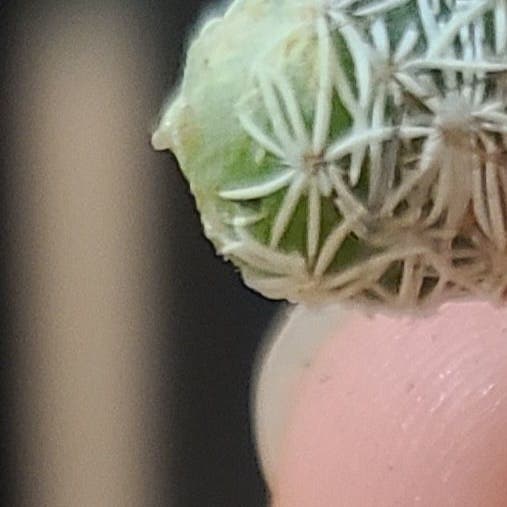
Coryphantha Elephantidens F. Cristata Yellow Leaves
Coryphantha elephantidens f. cristata
By the Greg Editorial Team
Jun 07, 2024•4 min read
This article was created with the help of AI so we can cover more plants for you. May contain errors. See one? Report it here.
- Yellow leaves signal distress, with uniform color hinting at care issues.
- Root health is crucial: white and firm good, brown and mushy bad.
- Balance watering and drainage to prevent over/underwatering and root rot.
Spotting Trouble: Identifying Yellow Leaves on Your Coryphantha
🌼 Visual Clues: What Yellow Leaves Look Like
Yellow leaves can signal your Coryphantha elephantidens f. cristata is in distress. You might notice a spectrum from pale yellow to a deep, mustard-like hue. Uniform yellowing often suggests a care issue, while patchy yellow spots could indicate pests or disease.
🌱 Root Check-Up: When to Poke Around Below the Surface
Root health is paramount. If leaves are yellowing, it's time to investigate the roots. Healthy roots are typically white and firm. Brown, mushy roots suggest overwatering or rot. Remember, the soil should feel like a wrung-out sponge, not a soggy mess or a barren desert.
🚨 Stress Signals: Other Symptoms to Watch For
Yellow leaves rarely come alone. Look for other signs like wilting, brown spots, or curling edges. These can clue you in on whether you're dealing with environmental stress, a watering mishap, or an uninvited pest. Consistency in care is crucial; erratic watering or lighting can turn leaves yellow faster than you can say "chlorophyll deficiency."
The Usual Suspects: Pinpointing the Cause of Yellow Leaves
🌊 Too Much Love: The Overwatering Effect
Overwatering is the helicopter parent of plant problems. It smothers with affection, leaving leaves yellow, soft, and often translucent. If the soil smells like forgotten laundry, it's a sign of excess moisture. Root rot thrives in these conditions, turning a supportive environment into a destructive swamp.
🏜️ Thirsty Roots: How Underwatering Takes a Toll
On the flip side, underwatering turns your Coryphantha into a parched nomad. Leaves droop, signaling a silent plea for hydration. If the soil's dryness rivals that of a comedian's humor, it's time to reevaluate your watering schedule. Crispy leaves are a cry for help, a desperate whisper for more frequent sips of water.
🚰 The Drainage Dilemma: When Water Doesn't Flow
Good drainage is like a clear escape route during a fire drill; without it, water lingers and problems mount. If the pot's as reluctant to drain as a teenager doing chores, you've got a drainage dilemma. Ensure pots have holes, and the soil mix doesn't trap water like a sponge. Preventing waterlogged roots is key to avoiding the dreaded yellow leaf syndrome.
The Fix Is In: Treating Yellow Leaves
💧 Watering Wisdom: Finding the Sweet Spot
Check the top inch of soil; if it's dry, your cactus is thirsty. Water until it drains out the bottom, but don't let the plant sit in water. This isn't a swimming lesson. It's a delicate balance, like finding the perfect temperature in a shower that's either scalding hot or ice cold.
🌱 Soil Savvy: Tweaking for Perfect Drainage
Mix in perlite or sand to make your soil as breathable as a pair of mesh sneakers. Ensure the pot has drainage holes; they're not just for decoration. They're the escape routes for excess water. Think of repotting with a well-draining mix as giving your plant a ticket to a spacious, airy penthouse.
🌿 Root Rehab: Nursing the Roots Back to Health
If the soil feels like a swamp, you've overwatered. Give your plant a break from water to let the soil dry out. Gently remove the plant and perform a root triage: snip off any mushy, blackened roots. Repot with fresh soil that's as comfortable as a well-worn hoodie. Remember, recovery is a marathon, not a sprint.
Keeping Green: Preventing Yellow Leaves in the Future
💧 Watering Rhythms: Crafting the Ideal Schedule
To prevent yellowing, consistency in watering is key. Think of it as a weekly TV show—regular and anticipated. Adjust the volume with the seasons; less in winter, more in summer.
🌱 The Right Mix: Choosing Soil That Works Hard
Your soil should be like a diligent employee—efficient yet supportive. Aim for a mix that drains well but retains enough moisture to avoid drought stress. It's a balance between a desert and a swamp.
🌿 Happy Habitat: Mimicking the Ideal Environment
To keep your Coryphantha elephantidens f. cristata thriving, replicate its natural habitat. Bright, indirect light is the sweet spot. Keep the environment stable; sudden changes are the nemesis of happy, green leaves.
⚠️ Safety First
This content is for general information and may contain errors, omissions, or outdated details. It is not medical, veterinary advice, or an endorsement of therapeutic claims.
Always consult a qualified healthcare professional before using any plant as food, medicine, or supplement.
Never eat any plant (or feed one to pets) without confirming its identity with at least two trusted sources.
If you suspect poisoning, call Poison Control (800) 222-1222, the Pet Poison Helpline (800) 213-6680, or your local emergency service immediately.
Spotted an error? Please report it here.
Ensure your Coryphantha thrives with spot-on watering 💧 reminders from Greg, tailored to prevent those pesky yellow leaves and keep your cactus happy.