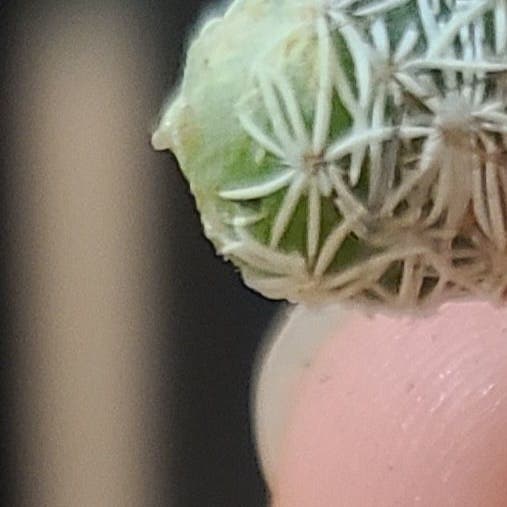
How to Prune Coryphantha elephantidens f. cristata
Coryphantha elephantidens f. cristata
By the Greg Editorial Team
Jun 07, 2024•4 min read
This article was created with the help of AI so we can cover more plants for you. May contain errors. See one? Report it here.
- 🌵 Spring/early summer best for pruning; avoid winter dormancy period.
- Prune for shape, growth, and space, using sharp, sterilized tools.
- Post-prune care: Shield from sun, water cautiously, and monitor growth.
When to Wield the Shears
Spring and early summer are the prime seasons for pruning Coryphantha elephantidens f. cristata. This timing capitalizes on the plant's natural growth cycle, encouraging robust development.
⏰ Timing is everything: Best seasons for pruning.
Pruning during the plant's dormancy period, especially winter, is a misstep. It's akin to waking a sleeping giant—just don't. Instead, spring into action or make the most of early summer, when your cactus is in its element, ready to grow.
🌱 Growth cues: Spotting signs that it's time to prune.
Look out for visual cues like yellowing leaves or a shape that's more wild jungle than elegant sculpture. These are your cactus's way of waving a white flag. If it's looking a bit leggy or lackluster, it's time to intervene. Remember, pruning isn't just about aesthetics; it's a health check-up. Spotting signs of distress early can prevent more serious issues down the line.
Pruning Step-by-Step
🌵 Getting Started: Pre-pruning Preparations
Before you even think about making the first cut, sterilize your tools. This isn't just a nicety; it's a non-negotiable for the health of your Coryphantha elephantidens f. cristata. Don your gloves to protect your hands from the cactus's spines. Inspect the plant for any damaged or diseased sections—these are your first targets.
✂️ The Right Cut: Techniques for Pruning the Cristate Form
When it comes to the cristate form, think of pruning as a strategic game. Your goal is to maintain the unique shape while encouraging new growth. Snip just above a node, where the plant's energy is concentrated. Angle your shears at 45 degrees—this isn't just for aesthetics; it helps the plant heal faster and prevents water from pooling.
🛠️ Clean Cuts: Choosing and Caring for Your Pruning Tools
Sharp bonsai shears or micro-tip snips are your best friends here. After each use, clean them as if your plant's life depends on it—because it does. And when you're done, clean them again. It's like hitting the reset button for your next pruning session. Remember, every cut is a decision. Make it a good one.
Pruning with Purpose
🌵 Shaping up: Goals of Pruning Your Cactus
Pruning isn't just about snipping away at your Coryphantha elephantidens f. cristata; it's a strategic move. The goals are clear: maintain the plant's quirky cristate shape, encourage healthy new growth, and prevent overcrowding that could stifle its style. Think of it as a haircut, where you're not just maintaining length, but also promoting a good hair day, every day.
🌵 Dodging the Thorns: Risks and How to Avoid Them
Pruning comes with its share of risks. One wrong cut and you could be dealing with infections or a misshapen cactus. Always use sterilized tools to avoid introducing pathogens. And remember, less is more—overzealous pruning can stress your cactus, leaving it vulnerable. It's about finesse, not force.
Post-Pruning TLC
🌵 The Recovery Room: What to Do After Pruning
After the strategic snips to your Coryphantha elephantidens f. cristata, it's crucial to shift into recovery mode. Avoid direct sunlight; your cactus needs the plant equivalent of a cozy nook, not a spotlight. Watering is next—think of it as a delicate dance rather than a rainstorm. Too much and you risk rot, too little and you're practically inviting drought stress.
🌵 Keeping it Sharp: Tips for Ongoing Care
Long-term, your cactus's well-being hinges on your vigilance. Monitor growth—it's like getting a thumbs-up from your plant. Hold off on the fertilizer; your cactus isn't ready for a feast, it's still savoring the hors d'oeuvres. Keep those pruning tools sterilized and sharp; a clean cut today means less trouble tomorrow. Remember, post-pruning care isn't a one-off—it's the foundation for your cactus's future flourish.
⚠️ Safety First
This content is for general information and may contain errors, omissions, or outdated details. It is not medical, veterinary advice, or an endorsement of therapeutic claims.
Always consult a qualified healthcare professional before using any plant as food, medicine, or supplement.
Never eat any plant (or feed one to pets) without confirming its identity with at least two trusted sources.
If you suspect poisoning, call Poison Control (800) 222-1222, the Pet Poison Helpline (800) 213-6680, or your local emergency service immediately.
Spotted an error? Please report it here.
Prune your Coryphantha with confidence this spring by letting Greg remind you when and how to snip for a healthy 🌵 that's shaped just right.