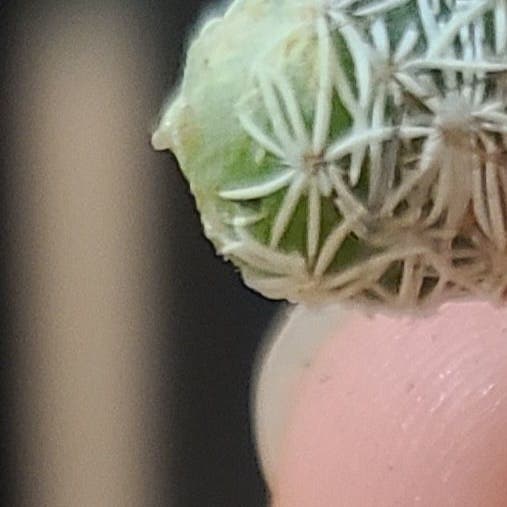
Coryphantha Elephantidens F. Cristata Leaves Falling Over
Coryphantha elephantidens f. cristata
By the Greg Editorial Team
Jun 07, 2024•4 min read
This article was created with the help of AI so we can cover more plants for you. May contain errors. See one? Report it here.
- Droopy leaves signal trouble; firmness indicates health.
- Balance watering and drainage to prevent droopiness and root rot.
- Regular root checks and repotting maintain leaf stability.
Spotting Trouble: Signs Your Coryphantha's Leaves Are Falling Over
🚨 Visual Cues: Recognizing the Droop Before the Drop
Drooping leaves are the Coryphantha's silent alarm bell. If you notice a sag, it's time to spring into action. Leaves should be perky, not slouching like they're trying to sneak out of a boring meeting. Keep an eye out for any discoloration or spots; these are the visual red flags that your plant is waving a white flag.
👐 Touch and Tell: How the Leaves Should Feel When Healthy
A healthy Coryphantha leaf should feel like a firm handshake, not a limp fish. Give them a gentle squeeze; they should show some resistance. If they feel mushy or soft, like a peach that's seen better days, it's a cry for help. Remember, texture changes are telling. Leaves that yield too easily to pressure are sending an SOS.
The Usual Suspects: Identifying Causes of Leaf Droopiness
💦 Overwatering and Root Rot
Overwatering is the botanical equivalent of overindulgence. Your Coryphantha's leaves drooping like weary travelers could be a sign of too much TLC with the watering can. Soggy soil, a musty smell, and leaves with the squishiness of a soaked sponge are the hallmarks of a plant drowning in excess hydration.
🏜️ Underwatering: A Thirsty Problem
On the flip side, underwatering turns your plant into a drama queen, with leaves crisper than autumn leaves. If your Coryphantha is giving you the silent treatment with curled and crunchy foliage, it's begging for a drink.
🚰 Soil Drama: When Your Plant's Foundation Fails
Poor drainage is like a bad relationship for your Coryphantha—it's just not supportive. Leaves falling faster than a house of cards can signal soil that's too clingy. To combat this, ensure your pot has proper drainage holes and consider a soil mix that's more freewheeling with water.
First Aid for Fallen Leaves: Immediate Actions to Take
💧 Watering Woes: Finding the Sweet Spot
Check the soil moisture immediately. If it's reminiscent of a swamp, let it dry until it feels like a well-squeezed sponge. Adjust your watering habits; ensure the top inch of soil is dry before the next watering. Observe the plant after these tweaks. If the leaves start to perk up, you're nailing it.
Invest in a moisture meter for precision or stick to the classic finger test. When watering, drench the soil until water escapes from the bottom, then wait for the soil to completely dry before the next round. This method prevents overzealous watering and the dreaded root rot.
🌱 Soil and Roots: The Rescue Mission
Revamp your soil to ensure it's the right mix for your Coryphantha. It should be a light, airy blend that holds moisture without turning into a wet blanket. If you suspect root rot, gently remove your plant from its pot and inspect the roots. Healthy roots are firm and white, not mushy and brown.
If the roots are struggling, trim away the damaged parts and repot in fresh, well-draining soil. This is like hitting the reset button for your plant's underground support system. Remember, the best soil mix is a good support system that's there when you need it but knows when to back off.
Keeping Leaves Upright: Long-Term Prevention Strategies
🌞 Environment Essentials: Crafting the Perfect Coryphantha Habitat
Lighting is non-negotiable. Your Coryphantha craves bright, indirect sunlight. Too little, and it slouches; too much, and it's sunburn city. Find that Goldilocks zone where the light is just right.
Temperature is another silent player in the leaf posture game. Keep it consistent, like your favorite coffee shop's playlist. Sudden changes are as welcome as a downpour at a barbecue. Aim for a stable, warm environment that doesn't swing like a pendulum.
🕵️ Routine Root Reviews: Keeping an Eye on the Underground
Regular root check-ups are like dental visits for your plant—necessary and preventative. Gently unearth the roots to ensure they're not beginning a silent scream for help.
Repotting isn't just about upgrading your plant's living space; it's about giving the roots room to breathe and thrive. If the roots are circling like sharks, it's time for a new pot. Remember, a happy root system anchors happy leaves.
⚠️ Safety First
This content is for general information and may contain errors, omissions, or outdated details. It is not medical, veterinary advice, or an endorsement of therapeutic claims.
Always consult a qualified healthcare professional before using any plant as food, medicine, or supplement.
Never eat any plant (or feed one to pets) without confirming its identity with at least two trusted sources.
If you suspect poisoning, call Poison Control (800) 222-1222, the Pet Poison Helpline (800) 213-6680, or your local emergency service immediately.
Spotted an error? Please report it here.
Keep your Coryphantha Elephantidens 🌵 standing tall by using Greg to nail the perfect watering schedule, preventing those pesky droops!