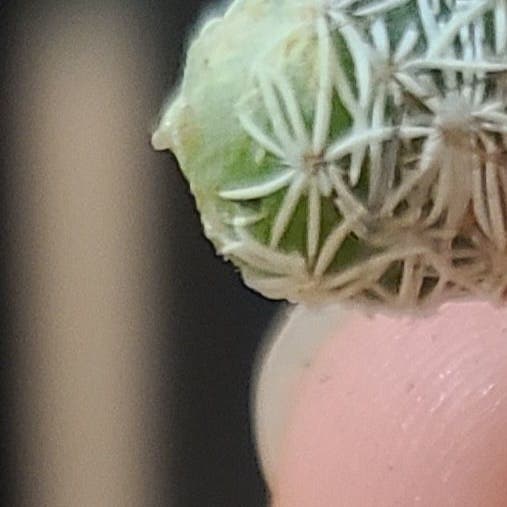
Bugs On Coryphantha Elephantidens F. Cristata
Coryphantha elephantidens f. cristata
By the Greg Editorial Team
Jun 07, 2024•4 min read
This article was created with the help of AI so we can cover more plants for you. May contain errors. See one? Report it here.
- 🕸️ Spider mites leave webbing; scale insects leave sticky residue.
- 🌱 Natural solutions and beneficial insects aid in eco-friendly pest control.
- 💧🔍 Adjust watering and inspect regularly to prevent and detect pests early.
Spot the Invaders: Identifying Common Pests
🕷️ Spider Mites
Tiny but destructive, spider mites can turn your plant's leaves into a speckled mess. Webbing under the leaves is a dead giveaway. If you see that, it's time to spring into action.
🦟 Scale Insects
These sneaky pests look like harmless bumps, but they're anything but. Sticky residue on leaves or stems? You've got scale insects squatting on your plant.
🦟 Fungus Gnats and Fruit Flies
Overwatering your plant is like rolling out the red carpet for these guys. Buzzing around the soil? Time to rethink your watering schedule and set up some sticky traps.
🐛 Mealybugs
If it looks like your plant is hosting a tiny cotton convention, you've got mealybugs. These pests love to hide in the nooks and crannies, sapping your plant's strength.
Winning the War: Effective Remedies
🌿 Natural Solutions
Neem oil and insecticidal soaps are the eco-warriors of pest control. They disrupt the life cycles of pests without harming the planet. Apply with precision, targeting pests directly to avoid collateral damage to beneficial insects.
Rotate between different natural remedies to prevent pest resistance. Introducing beneficial insects like ladybugs and lacewings can be a game-changer, as they naturally keep pest populations in check.
☠️ Chemical Warfare
When natural methods don't cut it, it's time for chemical treatments. Use them as a last resort and with extreme care. Always read the label—it's your manual for safe and effective application. Suit up with gloves, and perhaps a mask, to protect yourself during application.
Apply chemicals during dawn or dusk, when beneficial insects are less active. Remember, this is a targeted strike—precision is key. Rotate chemical treatments to keep pests guessing and reduce the chance of them developing resistance.
Fortify Your Fortress: Prevention Strategies
🛡️ Quarantine Quarters: The First Line of Defense
Quarantine new plants. It's not overcautious; it's smart gardening. Think of it as a VIP backstage pass—only the best get through.
🧼 Cleanliness: The Unsung Hero
Keep it clean. Remove debris and dead leaves. It's like brushing your teeth; skip it, and things get ugly fast.
👀 Regular Inspections: Your Vigilant Eye
Inspect your plants. Catching pests early is like spotting a typo in a tweet before it goes viral—crucial.
🐞 Beneficial Insects: Your Tiny Allies
Deploy beneficial insects. Ladybugs and lacewings aren't just cute; they're your plant's personal bodyguards.
🌱 Proper Care: The Foundation of Health
Focus on proper care. Right light, water, and nutrients make your plant a fortress, not a free-for-all.
🌍 Environmental Stability: Routine is Key
Maintain a stable environment. Plants love routine as much as you love your morning coffee.
🛠 Tool Hygiene: The Overlooked Detail
Clean your tools. It's as basic as washing your hands, and just as important.
💧 Soil and Water Management: The Subtle Tactics
Let the soil dry out between waterings. Overly moist soil is a pest party waiting to happen.
Lesser Foes: Dealing with Other Pests
🐞 Thrips and Aphids
Thrips and aphids may be small, but their impact on Coryphantha elephantidens f. cristata is anything but. These sap-suckers can quickly turn a healthy cactus into a stressed-out mess.
Spotting Thrips
Look for silvery streaks and speckled leaves. Thrips are like the ninjas of the pest world, often going unnoticed until the damage is done.
Battling Aphids
Aphids are easier to spot, clustering on new growth and secreting a sticky substance known as honeydew. This goo can lead to sooty mold, adding insult to injury.
Natural Predators
Introduce ladybugs or lacewings to your garden. They're like your personal pest control agents, working 24/7 in exchange for room and board.
Direct Action
A strong water jet can dislodge aphids, while insecticidal soap or neem oil can help with more stubborn cases. Remember, the key is early detection and action.
Other Occasional Pests
While thrips and aphids are the main culprits, other pests can occasionally pop up to give your Coryphantha elephantidens f. cristata a hard time.
Rare Invaders
Whiteflies and snails may show up uninvited. Whiteflies are suckers for yellow sticky traps, while snails... well, they're just suckers.
Integrated Pest Management
Keep an eye out for any unusual activity on your cactus. A diverse ecosystem with beneficial insects can help keep these rare pests in check.
Stay Vigilant
Regular inspections and a clean environment are your best defense against these less common, but potentially troublesome, pests.
⚠️ Safety First
This content is for general information and may contain errors, omissions, or outdated details. It is not medical, veterinary advice, or an endorsement of therapeutic claims.
Always consult a qualified healthcare professional before using any plant as food, medicine, or supplement.
Never eat any plant (or feed one to pets) without confirming its identity with at least two trusted sources.
If you suspect poisoning, call Poison Control (800) 222-1222, the Pet Poison Helpline (800) 213-6680, or your local emergency service immediately.
Spotted an error? Please report it here.
Safeguard your Coryphantha Elephantidens F. Cristata from pesky invaders by using Greg to schedule regular inspections 🕵️♂️ and maintain a stable plant care routine, keeping those bugs at bay!