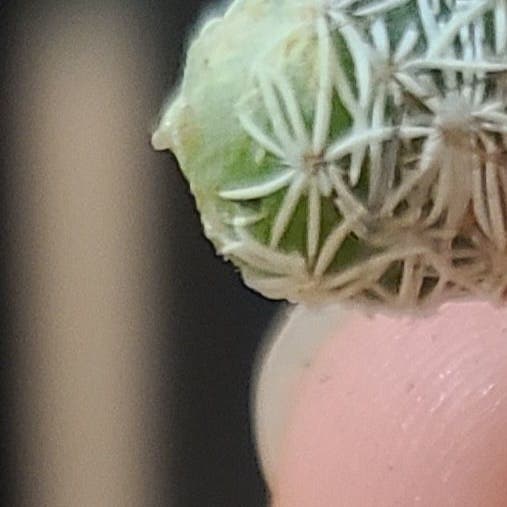
How to Fertilize Your Coryphantha elephantidens f. cristata
Coryphantha elephantidens f. cristata
By the Greg Editorial Team
Jun 07, 2024•4 min read
This article was created with the help of AI so we can cover more plants for you. May contain errors. See one? Report it here.
- Low-nitrogen fertilizer is key for Coryphantha elephantidens f. cristata.
- Fertilize monthly during spring and summer growth spurts.
- Dilute and monitor to prevent nutrient burn and detect soil imbalances.
Choosing Your Fertilizer Wisely
🌵 Spotting the Perfect Match: Low-Nitrogen Fertilizers
In the quest for a thriving Coryphantha elephantidens f. cristata, low-nitrogen fertilizer is the unsung hero. Nitrogen is the fast-food of nutrients; too much and your cactus gets lazy, opting for leafy growth over robust blooms. Aim for a balanced 1-1-1 or a 2-1-1 N-P-K ratio to hit that sweet spot.
🧂 The Salt Content Dilemma: Protecting Your Cactus Roots
Salt buildup is the silent killer of cactus roots. Overzealous fertilization can lead to a white crust on the soil, a telltale sign of excess salts. To prevent this, dilute your fertilizer to 1/4 strength of the recommended dose. And remember, your cactus's roots should be white and robust, not dark and limp. Regularly flush the soil to wash away any accumulated salts and keep those roots healthy.
Timing is Everything: When to Fertilize
🌱 Identifying the Growth Spurts: Active Season Fertilizing
Spring and summer are prime time for your Coryphantha elephantidens f. cristata. This is when you should be on high alert for growth spurts. As the days get longer, your cactus is gearing up for action. New growth is your cue to start the fertilizing fiesta.
🗓️ The Fertilization Calendar: How Often to Pamper Your Cactus
During these active months, a monthly fertilizing schedule is your best bet. It's like setting monthly coffee dates with your plant – regular but not overbearing. As autumn leaves start to drop, it's time to ease up. And come winter? Full stop. Your cactus is hibernating, and just like you wouldn't feed a sleeping bear, you don't fertilize a dormant cactus.
The Art of Fertilizing: Techniques and Tips
💧 The Dilution Solution: Preventing Nutrient Burn
Dilution is the secret weapon against nutrient burn. Start with a half-strength solution of your chosen fertilizer to safeguard your Coryphantha elephantidens f. cristata's delicate roots. Overpowering your plant with a concentrated dose is a rookie mistake; it's like pouring a double espresso when a single shot will do.
🌱 The Application Dance: How to Apply Fertilizer Safely
When it's time to apply, think of it as a ritual. Don your gloves, grab your watering can, and ensure the soil is moist to welcome the nutrients. Even distribution is key—no dumping fertilizer in one spot. It's like seasoning fries; you want every bite to have the same satisfying taste. And remember, the base of the plant is your target, not the leaves—unless you're into the crispy leaf aesthetic.
Keeping an Eye Out: Monitoring Plant Health
🌿 Reading the Signs: Detecting Nutrient Deficiencies and Excesses
Stay vigilant in observing your Coryphantha elephantidens f. cristata. Nutrient imbalances often manifest in the foliage. Yellowing leaves may indicate a nitrogen shortage, while a purplish tint could signal a phosphorus deficiency. Conversely, excessively dark green leaves and soft, weak stems might suggest nitrogen overload.
Monitor the cactus's growth patterns. Stunted growth or halted blooming can be a distress signal. Don't ignore it—your plant isn't just being moody; it's communicating a need.
🌱 Soil Talk: The Importance of Regular Testing
Test your soil; it's like getting a blood panel done for your plant. This will reveal any excesses or deficiencies, allowing you to tailor your fertilization plan. Aim for annual testing, or bi-annual if your green buddy seems offbeat.
Keep an eye on the soil's texture and moisture level. Soil that's too compact or too loose can spell trouble. It's like checking the oil in your car; it tells you a lot about what's going on under the hood.
Remember, consistency is key. Regular check-ups can prevent a full-blown plant crisis. Think of it as a routine wellness visit rather than an emergency room dash.
⚠️ Safety First
This content is for general information and may contain errors, omissions, or outdated details. It is not medical, veterinary advice, or an endorsement of therapeutic claims.
Always consult a qualified healthcare professional before using any plant as food, medicine, or supplement.
Never eat any plant (or feed one to pets) without confirming its identity with at least two trusted sources.
If you suspect poisoning, call Poison Control (800) 222-1222, the Pet Poison Helpline (800) 213-6680, or your local emergency service immediately.
Spotted an error? Please report it here.
Ensure your cactus thrives 🌵 with Greg's tailored fertilizing schedule, avoiding nutrient burn and promoting healthy growth from these expert tips.