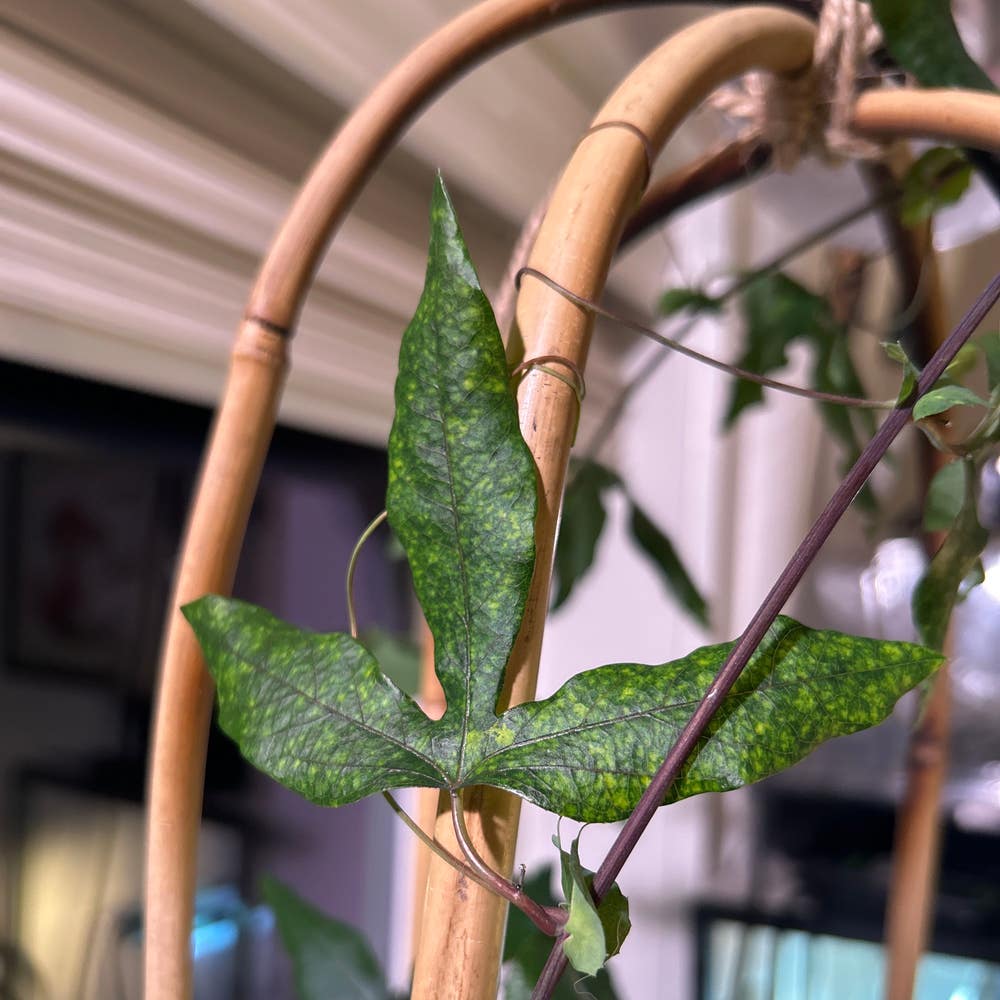
How to Prune Bluecrown Passionflower
Passiflora caerulea
By the Greg Editorial Team
Jun 18, 2024•5 min read
This article was created with the help of AI so we can cover more plants for you. May contain errors. See one? Report it here.
- Seasonal pruning enhances growth, blooms, and fruit quality.
- Strategic snips control sprawl and promote health.
- Sharp, clean tools are crucial for precise cuts.
Best Times to Get Snippy with Your Passionflower
Pruning isn't just about snipping willy-nilly; it's a timed art. Let's dive into the seasonal nuances and growth considerations for your Bluecrown Passionflower.
🌸 Seasonal Pruning Guide
🌱 Spring Spruce-Up: Encouraging New Growth
Spring is a wake-up call for your passionflower. Prune before growth kicks in to safeguard the season's blooms. It's like setting the stage for an encore performance.
☀️ Summer Shaping: Enhancing Flowering and Form
Come summer, it's showtime. Shape your vine to spotlight those dramatic flowers. Think of it as directing a botanical ballet.
🍂 Fall Focus: Preparing for Dormancy
As fall whispers of winter, prep your plant for the big chill. Trim back to avoid a tangled mess come spring. It's like tucking your green babies in for a long nap.
🌱 Growth Stage and Climate Considerations
🌿 Young Vines vs. Mature Plants: Tailoring Your Approach
Young vines need gentle guidance, like a trellis or a wall. Mature ones? They're the wild ones, requiring a firmer hand to keep them from going rogue.
🌡️ Local Weather Watch: Timing Your Trims
Keep an eye on the thermometer. In warmer zones, passionflowers can handle a late-summer trim. Cooler areas? Stick to spring before growth spurts. It's all about syncing with Mother Nature's schedule.

Pruning Techniques for a Thriving Vine
🌿 Strategic Snips for Vigorous Growth
Controlling the sprawl of your Bluecrown Passionflower is key. Cut back overgrown areas to maintain shape and encourage new growth. Dead and damaged branches? They're out. Snip them off to prevent energy drain and promote plant health.
🌸 Aesthetic Pruning for Showstopping Blooms
Shaping your vine is like crafting a living sculpture. Visual appeal is the goal. Balance is crucial; too much foliage overshadows blooms, too few leaves and your vine looks bare. Aim for harmony between the two for a truly stunning display.
🌱 Where to Cut
Above a leaf node—that's your sweet spot for cuts. This encourages new branches to grow in the direction you want. Keep your cuts clean and sharp to prevent disease and ensure quick healing.
📅 When to Snip
Regular pruning is the secret sauce for a healthy vine. But remember, timing is everything. Spring for growth, summer for shape, and fall for dormancy prep. Watch your vine flourish with this simple schedule.
🛠️ Tools of the Trade
Bypass pruners or shears? It's a personal choice, but make sure they're sharp. Dull tools can damage your vine and open the door to disease. Keep them clean and in good condition for the best results.
🔄 Continuous Evaluation
Keep an eye on your vine. It's a living thing, after all, and changes over time. Adjust your pruning strategy as it grows to keep it looking its best. Pruning isn't just maintenance; it's an ongoing dialogue with your plant.

Pruning for Performance: Fruit and Flowers
🌸 Boosting Flower Power
To maximize blooms, prune after the passionflower's showtime. This post-floral trim signals the plant to gear up for the next performance. It's a strategic intermission, allowing your vine to focus on future flower production rather than sustaining spent blossoms.
🕰 Timing trims for maximum blooms
Prune just after the main flowering season ends. This encourages new growth where the next season's blooms will emerge. It's like a reset button for the plant's blooming cycle, ensuring a spectacular sequel.
🍇 Fruiting Fundamentals
When it comes to fruit, less can be more. Thinning out the fruit allows the remaining ones to soak up more nutrients, resulting in larger, tastier passionfruit. It's a case of survival of the fittest, where only the best fruit make the cut.
🍓 Encouraging edible wonders: When less is more
Remove small or malformed fruits early on. This selective process channels the plant's energy into fewer fruits, but these will be the cream of the crop. It's a tough-love approach that pays off in quality and flavor.

The Right Tools for the Cut
🔪 Choosing Your Pruning Partners
Selecting the right tool for pruning your Bluecrown Passionflower is like picking a dance partner – it needs to be a good fit. Bypass pruners are your go-to for most jobs, ideal for making precise cuts without crushing the stems. They work like scissors, with two curved blades that bypass each other, delivering a clean slice. For thicker vines, you might need to upgrade to shears. These have longer handles, giving you more leverage to tackle the tough stuff.
🔧 Keeping Your Tools in Tip-Top Shape
Now, let's talk maintenance. A sharp blade is non-negotiable; it's the difference between a clean cut and a plant massacre. Use a sharpening stone to keep that edge keen. After sharpening, a wire brush can remove any rust or sap residue. And don't forget to disinfect your tools with alcohol – it's like washing your hands, for your pruners. Lastly, a drop of lubricant will keep the action smooth, because nobody likes a squeaky pruner. Remember, well-cared-for tools lead to a well-cared-for vine.
⚠️ Safety First
This content is for general information and may contain errors, omissions, or outdated details. It is not medical, veterinary advice, or an endorsement of therapeutic claims.
Always consult a qualified healthcare professional before using any plant as food, medicine, or supplement.
Never eat any plant (or feed one to pets) without confirming its identity with at least two trusted sources.
If you suspect poisoning, call Poison Control (800) 222-1222, the Pet Poison Helpline (800) 213-6680, or your local emergency service immediately.
Spotted an error? Please report it here.
Achieve pruning perfection 🌿 with Greg's custom reminders tailored to your local weather, ensuring your Bluecrown Passionflower thrives through every season.