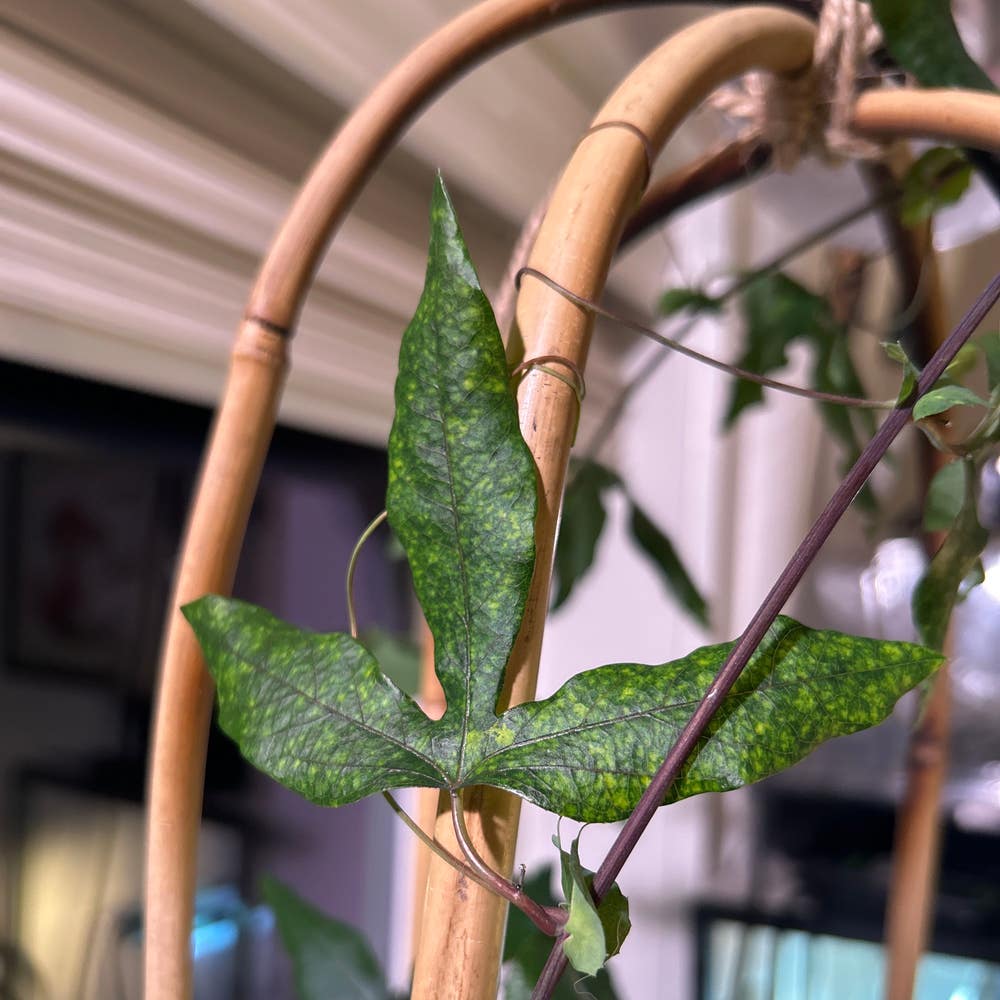
🦋 Why Bluecrown Passionflower Is A Perennial Plant
Passiflora caerulea
By the Greg Editorial Team
Oct 02, 2024•5 min read
This article was created with the help of AI so we can cover more plants for you. May contain errors. See one? Report it here.
- 🌱 Bluecrown Passionflower thrives as a perennial, regrowing each spring from established roots.
- ☀️ Optimal growth occurs in full sun with well-drained soil and proper care.
- 🌿 Regular maintenance like pruning and watering enhances longevity and flowering.
Characteristics of Bluecrown Passionflower as a Perennial
Multi-Year Lifecycle 🌱
Bluecrown Passionflower is a remarkable perennial, thriving over multiple seasons. Its multi-year growth cycle allows it to flourish year after year, showcasing its resilience and adaptability.
Each spring, the plant regrows from established roots, which store energy and nutrients. This mechanism not only ensures survival through harsh conditions but also promotes vigorous growth when the environment is favorable.
Growth Patterns 📈
In warmer climates, Bluecrown Passionflower exhibits vigorous growth, often reaching impressive heights. Conversely, in cooler regions, its growth may be more subdued, adapting to the local climate.
The plant's growth phases are closely tied to seasonal changes in temperature and light availability. As the days lengthen and temperatures rise, you’ll notice a burst of activity, signaling the start of a new growth cycle.
Understanding these growth patterns can help gardeners anticipate the plant's needs and optimize care throughout the year.
With this foundation of knowledge about its lifecycle and growth patterns, we can now explore the fascinating aspects of flowering and lifespan.
Flowering and Lifespan
🌸 Flowering Cycles and Patterns
Bluecrown Passionflower typically blooms from late spring to early fall. This vibrant display can vary based on local climate conditions, with warmer areas seeing a longer flowering period.
Several factors influence these flowering patterns. Climate, sunlight, and soil quality play crucial roles in determining when and how profusely the plant blooms.
⏳ Expected Lifespan
As a perennial, Bluecrown Passionflower can live for several years, often thriving for 3 to 5 years or more with proper care. Its health and vigor can significantly improve with the right environmental conditions.
Longevity is influenced by multiple factors. Soil quality, climate conditions, and consistent care practices are essential for maintaining the plant's health over time.
Understanding these flowering cycles and lifespan factors can help you cultivate a thriving Bluecrown Passionflower in your garden. Next, we’ll explore the dormancy periods and seasonal changes that affect this resilient plant.
Dormancy and Seasonal Changes
Dormancy Periods 🌨️
Bluecrown Passionflower enters dormancy during the colder months, typically in late fall. This natural process allows the plant to conserve energy and protect itself from harsh winter conditions.
Signs of dormancy are quite noticeable. Leaves may yellow and drop, and the plant's overall growth slows significantly.
Seasonal Changes and Their Effects on Growth 🌱
As seasons shift, Bluecrown Passionflower adapts remarkably to changes in temperature and light. In warmer months, it thrives, showcasing lush foliage and vibrant blooms.
Conversely, during cooler periods, its growth slows, impacting flowering and overall health. Understanding these seasonal changes helps gardeners anticipate the plant's needs and ensure its vitality.
Advantages of Perennial Nature
🌱 Benefits for Gardeners
One of the standout features of Bluecrown Passionflower is its perennial nature, which significantly reduces the need for replanting. This means less time and effort spent on garden maintenance, allowing you to focus on enjoying your vibrant blooms.
Additionally, Bluecrown Passionflower develops established root systems that provide numerous advantages. These deep roots enhance nutrient uptake and improve drought resistance, making the plant more resilient in varying conditions.
🌿 Long-Term Cultivation Strategies
When planning for long-term growth, consider how to integrate Bluecrown Passionflower into your garden design. Position it where it can receive ample sunlight while allowing space for its sprawling vines to flourish.
To enhance the longevity of your Bluecrown Passionflower, adopt best maintenance practices. Regular pruning, appropriate watering, and mulching can significantly support the plant's health and ensure it thrives year after year.
Incorporating these strategies will not only maximize the benefits of this stunning perennial but also create a lush, thriving garden that brings joy season after season.
Climate Zone Variations
Variations in Perennial Behavior Across Different Climates 🌍
Bluecrown Passionflower exhibits remarkable adaptability across various climate zones. In tropical regions, it thrives with vigorous growth and abundant flowering, thanks to consistent warmth and moisture.
Conversely, in temperate climates, growth may be more subdued. Here, the plant often experiences a more pronounced dormancy period, affecting its flowering cycles and overall vigor.
Factors Influencing Longevity in Various Conditions 🕰️
Several key factors influence the health and lifespan of Bluecrown Passionflower. Soil type plays a crucial role; well-draining, nutrient-rich soil promotes robust growth.
Moisture levels are equally important. The plant prefers consistent moisture but can suffer in overly wet or dry conditions. Sunlight exposure also significantly impacts its performance; full sun encourages the best flowering and growth.
For gardeners facing less-than-ideal conditions, there are strategies to optimize growth. Consider amending soil with organic matter to improve drainage and nutrient content. Additionally, using mulch can help retain moisture and regulate soil temperature.
By understanding these factors, you can cultivate Bluecrown Passionflower successfully, regardless of your climate. This knowledge empowers you to create a thriving garden that showcases the beauty of this perennial plant.
Tips for Maximizing Benefits in Garden Planning
Incorporating Bluecrown Passionflower into Garden Layouts 🌼
When planning your garden, consider placing Bluecrown Passionflower in a sunny spot with well-drained soil. This vibrant plant thrives when paired with companions like lavender or salvia, which can enhance its growth and attract beneficial pollinators.
Seasonal Care Reminders 📅
Keeping track of care tasks can be a game-changer. Utilize tools like the Greg plant care app to set reminders for watering, fertilizing, and pruning, ensuring your Bluecrown Passionflower receives the attention it needs throughout the seasons.
Long-Term Planning Considerations 📈
To ensure your Bluecrown Passionflower thrives year after year, think about its growth habits and seasonal needs. Regularly assess soil quality and moisture levels, and adjust your care practices to align with changing climate conditions, promoting a healthy, resilient plant.
Incorporating these strategies will not only enhance the beauty of your garden but also support the long-term health of your Bluecrown Passionflower. As you plan, remember that a little foresight goes a long way in cultivating a flourishing garden.
⚠️ Safety First
This content is for general information and may contain errors, omissions, or outdated details. It is not medical, veterinary advice, or an endorsement of therapeutic claims.
Always consult a qualified healthcare professional before using any plant as food, medicine, or supplement.
Never eat any plant (or feed one to pets) without confirming its identity with at least two trusted sources.
If you suspect poisoning, call Poison Control (800) 222-1222, the Pet Poison Helpline (800) 213-6680, or your local emergency service immediately.
Spotted an error? Please report it here.
Nurture your Bluecrown Passionflower to bloom beautifully 🌸 year after year with Greg's tailored care reminders and expert tips for thriving growth!