🦋 Bluecrown Passionflower: Not an Annual
Passiflora caerulea
By the Greg Editorial Team
Oct 02, 2024•5 min read
This article was created with the help of AI so we can cover more plants for you. May contain errors. See one? Report it here.
- 🌱 Bluecrown Passionflower is a perennial, thriving in diverse climates and blooming multiple times.
- 🌼 Robust root systems store nutrients, ensuring regrowth each season without replanting.
- 🐝 Attracts pollinators, enhancing garden biodiversity and contributing to its reproductive success.
Characteristics of Bluecrown Passionflower
🧬 Genetic Traits
The Bluecrown Passionflower, scientifically known as Passiflora caerulea, boasts a unique genetic makeup. Its chromosome count contributes to its genetic stability, a key factor in its classification as a perennial.
This plant has adapted remarkably to survive in various climates. Its resilience allows it to thrive in both tropical and temperate regions, showcasing its versatility.
🌱 Physiological Traits Supporting Perennial Classification
One of the standout features of the Bluecrown Passionflower is its robust root system. This system stores essential nutrients and water, enabling the plant to regrow each season.
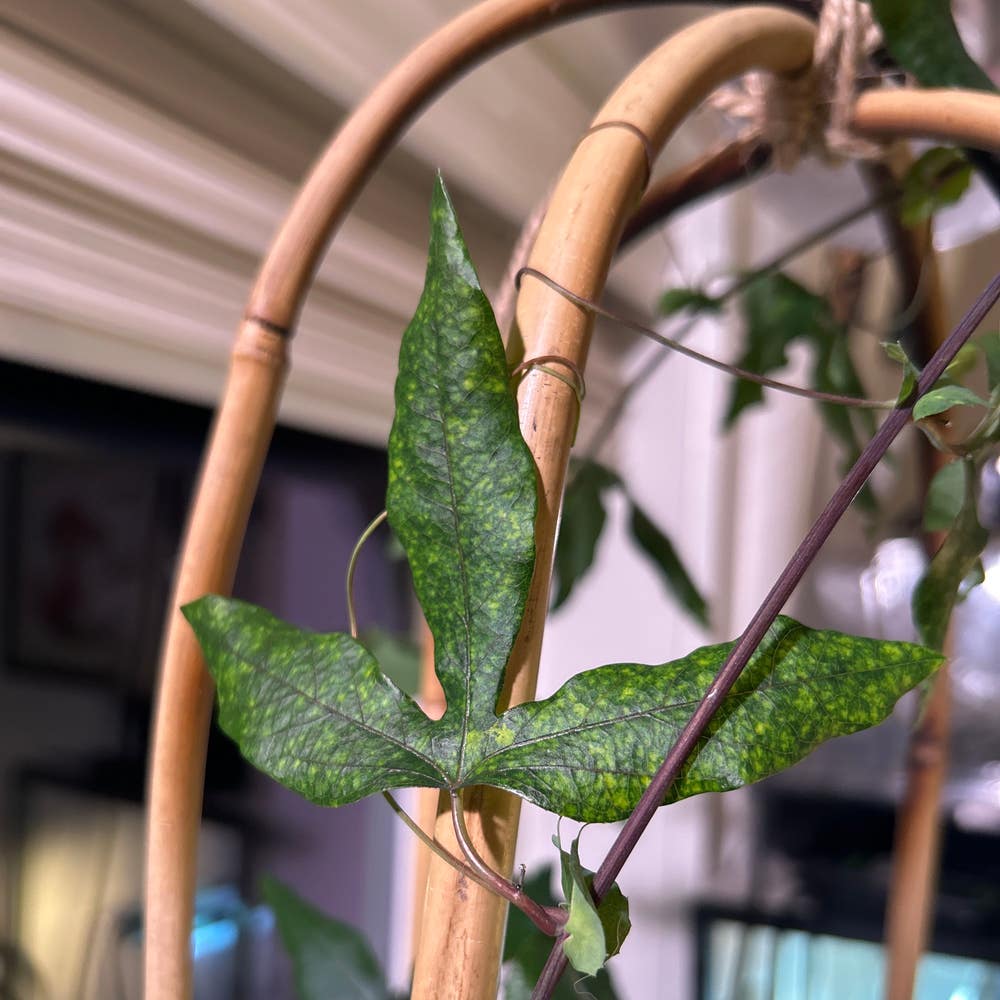
Additionally, its vining growth habit allows it to climb and spread effectively. This adaptability enhances its chances of survival in diverse environments.
🔄 Long-term Lifecycle and Growth Patterns
The growth cycle of the Bluecrown Passionflower is fascinating. It enters dormancy during the winter months, only to burst into active growth in spring and summer.
Throughout the growing season, this plant exhibits repeated blooms. Its continuous seed production not only ensures its survival but also contributes to genetic diversity within the species.
Incorporating the Bluecrown Passionflower into your garden can lead to a vibrant display of color and life. Its unique characteristics make it a valuable addition, setting the stage for the next discussion on lifecycle comparisons.
Lifecycle Comparison
Reproductive Strategies 🌼
Bluecrown Passionflower employs fascinating reproductive strategies to thrive. Its distinctive flowers are not just beautiful; they attract a variety of pollinators, ensuring effective pollination.
Seed dispersal is equally intriguing. The seeds can travel via wind, water, or animal interactions, allowing the plant to colonize new areas effectively.
Differences in Flowering and Seed Production Compared to Annuals 🌸
One of the standout features of Bluecrown Passionflower is its flowering frequency. Unlike annuals, which typically bloom once per season, this perennial produces multiple blooms throughout its growing season.
Additionally, the seeds of Bluecrown Passionflower boast impressive longevity. This contrasts sharply with annuals, whose seeds often have a shorter viability period, making Bluecrown a robust choice for gardeners seeking lasting beauty.
As we explore the misconceptions surrounding this plant, it's essential to understand how its lifecycle and reproductive strategies contribute to its classification as a perennial.
Misconceptions and Exceptions
🌱 Conditions Where Bluecrown Passionflower May Be Treated as an Annual
In colder climates, the Bluecrown Passionflower often experiences dieback during winter. However, it typically regrows in spring, leading some to mistakenly classify it as an annual.
Misidentification can also occur due to its seasonal appearance. When the plant goes dormant, it may be overlooked, causing confusion about its perennial nature.
🌍 Geographic Variations Affecting Classification
The classification of Bluecrown Passionflower varies significantly between tropical and temperate regions. In tropical areas, it thrives year-round, while in temperate zones, its growth habits can be more erratic.
Local climate plays a crucial role in determining its perennial behavior. Factors like temperature and moisture levels can influence how well the plant survives and flourishes in different environments.
Understanding these nuances helps gardeners appreciate the true nature of this remarkable plant. As we delve into garden design implications, consider how these factors can enhance your gardening experience.
Garden Design Implications
🌼 Advantages of Incorporating in Perennial Gardens
Integrating Bluecrown Passionflower into your garden is a smart long-term investment. Unlike annuals, which require replanting each year, this perennial thrives season after season, saving you time and effort.
Additionally, these vibrant flowers attract a variety of pollinators, enhancing biodiversity in your garden. By creating a welcoming environment for bees and butterflies, you contribute to a healthier ecosystem.
📈 Planning for Long-term Growth and Flowering
When planning your garden, consider spacing to accommodate the Bluecrown Passionflower's vining growth. Allow enough room for it to climb and spread, ensuring it has the space it needs to flourish.
Seasonal color is another important factor. With careful planning, you can enjoy continuous blooms throughout the growing season, adding beauty and vibrancy to your outdoor space.
Incorporating Bluecrown Passionflower not only enriches your garden but also fosters a sustainable environment. As you design your space, keep these considerations in mind for a thriving, colorful landscape.
Next, let's explore management tips to ensure the longevity of your Bluecrown Passionflower.
Management Tips for Longevity
🌱 Best Practices for Maintaining as a Perennial
To keep your Bluecrown Passionflower thriving, start with the right soil. It prefers well-drained, nutrient-rich soil that allows roots to breathe and absorb essential nutrients.
Watering is equally crucial. Aim for consistent moisture, but avoid waterlogging, which can lead to root rot. A good rule of thumb is to check the soil's top inch; if it's dry, it's time to water.
🌼 Seasonal Care Considerations for Maximizing Lifespan
Pruning is a key technique for encouraging healthy growth and abundant flowering. Trim back any dead or weak stems in early spring to promote new growth and improve air circulation.
Establishing a fertilization schedule will also support your plant's long-term health. Use a balanced fertilizer in early spring and again in mid-summer to ensure your passionflower has the nutrients it needs to flourish.
🐛 Troubleshooting Common Issues Related to Perennial Nature
Keep an eye out for signs of stress, such as yellowing leaves or stunted growth. These can indicate issues like nutrient deficiencies or improper watering.
If pests or diseases strike, consider integrated pest management strategies. This approach combines natural remedies with targeted treatments to keep your plant healthy without harsh chemicals.
By following these management tips, you can enjoy the beauty of Bluecrown Passionflower for years to come. Next, let’s explore how to incorporate this stunning plant into your garden design for maximum impact.
⚠️ Safety First
This content is for general information and may contain errors, omissions, or outdated details. It is not medical, veterinary advice, or an endorsement of therapeutic claims.
Always consult a qualified healthcare professional before using any plant as food, medicine, or supplement.
Never eat any plant (or feed one to pets) without confirming its identity with at least two trusted sources.
If you suspect poisoning, call Poison Control (800) 222-1222, the Pet Poison Helpline (800) 213-6680, or your local emergency service immediately.
Spotted an error? Please report it here.
Cultivate a thriving Bluecrown Passionflower that dazzles with blooms and attracts pollinators 🌿 by using Greg's tailored care reminders to keep it healthy and vibrant all year long!