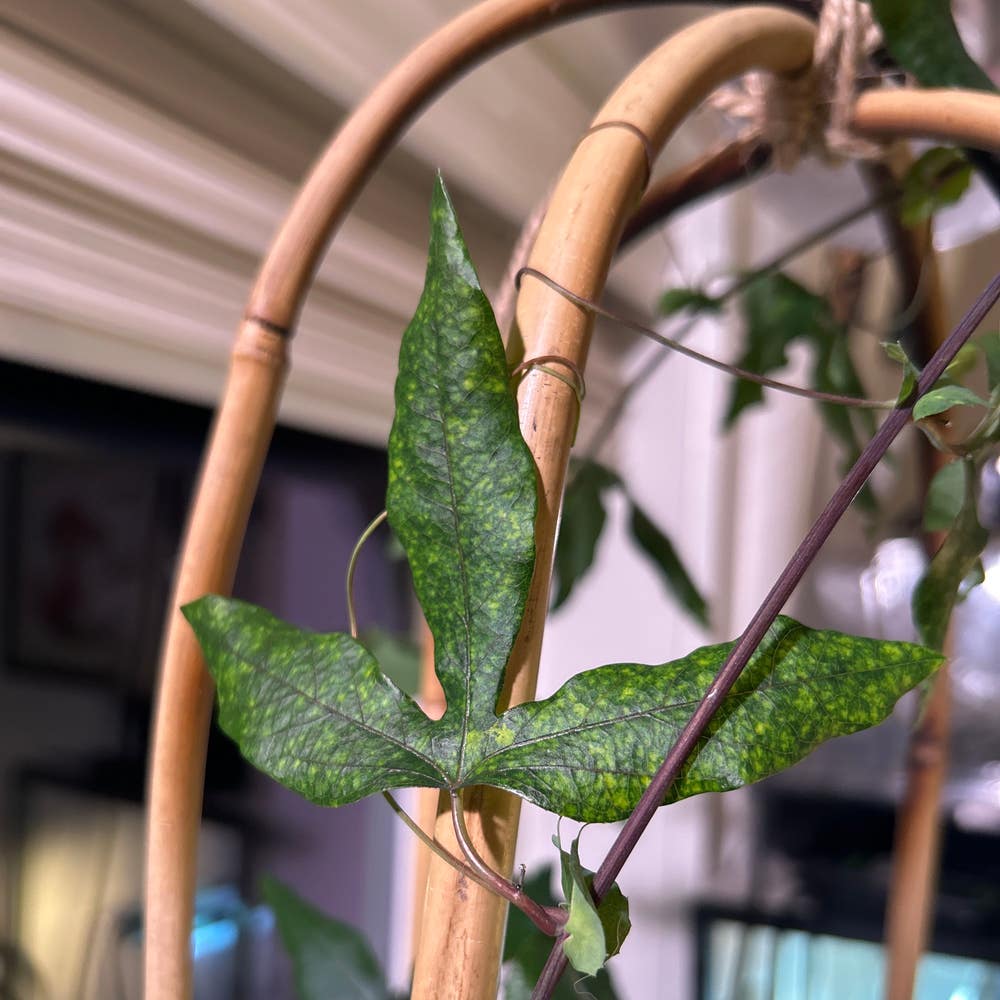
🌸 Bluecrown Passionflower Hardiness Zones: 6a-10b
Passiflora caerulea
By the Greg Editorial Team
Oct 02, 2024•4 min read
This article was created with the help of AI so we can cover more plants for you. May contain errors. See one? Report it here.
- 🌡️ Bluecrown Passionflower thrives in USDA zones 6a-10b, tolerating temperatures from 10°F to 100°F.
- 🌬️ Protect from frost by knowing local frost dates and using windbreaks.
- 🌱 Well-drained soil and moisture are essential for healthy growth, especially in heat.
Temperature Tolerance
❄️ Cold Tolerance Specifics
Bluecrown Passionflower can withstand temperatures as low as 10°F (-12°C). However, it is sensitive to frost, which can cause significant damage to the plant.
Understanding the timing of the first and last frost dates in your area is crucial. This knowledge helps you protect your Bluecrown Passionflower from unexpected cold snaps.
☀️ Heat Tolerance Specifics
On the flip side, Bluecrown Passionflower thrives in heat, tolerating temperatures up to 100°F (37°C). To survive these high temperatures, the plant has developed adaptations that help it conserve moisture.
During heat waves, maintaining optimal soil conditions is essential. Well-drained soil and adequate moisture can make all the difference in keeping your plant healthy and vibrant.
With a solid grasp of temperature tolerances, you can ensure your Bluecrown Passionflower flourishes in a variety of climates. Next, let’s explore the ideal growing regions for this resilient plant.
Ideal Growing Regions
🌱 Examples of US States Suitable for Growth
Bluecrown Passionflower thrives in USDA hardiness zones 6a-10b. Here are some states where you can successfully grow this vibrant plant:
- California: Particularly in coastal regions and southern areas, the climate is perfect for Bluecrown Passionflower.
- Florida: Known for its warm, humid climate, Florida provides an ideal environment for this species.
- Texas: The southern and central regions of Texas offer the heat and moisture that Bluecrown Passionflower loves.
- North Carolina: Coastal and southern areas of North Carolina create a suitable habitat for this hardy plant.
🌤️ Factors Contributing to Ideal Growing Conditions
Several factors contribute to the successful growth of Bluecrown Passionflower.
- Climate Characteristics: This plant prefers a climate with moderate temperatures, adequate humidity, and consistent rainfall.
- Soil Requirements: Well-drained soil is essential for preventing root rot and ensuring healthy growth.
- Sunlight Exposure: Bluecrown Passionflower adapts well to both full sun and partial shade, making it versatile for various garden settings.
Understanding these factors can help you create the perfect environment for your Bluecrown Passionflower, ensuring it flourishes in your garden.
As we explore further, let’s dive into the concept of microclimates and how they can enhance your growing experience.
Microclimates and Their Impact
🌦️ Understanding Microclimates
Microclimates are localized areas where the climate differs from the surrounding region. These variations can significantly affect plant growth, making them crucial for gardeners and horticulturists.
🌍 Factors Creating Microclimates
Several factors contribute to the formation of microclimates:
- Elevation: Higher altitudes often experience cooler temperatures.
- Proximity to Water: Bodies of water can moderate temperatures, keeping them milder.
- Urban Heat: Cities can retain heat, creating warmer environments.
🌺 Beneficial Microclimates for Bluecrown Passionflower
Certain microclimates can be particularly advantageous for growing Bluecrown Passionflower:
- Urban Areas: The heat retained by buildings and pavement can create a warmer environment.
- Protected Spaces: Areas near walls or buildings shield plants from harsh winds and frost.
🛠️ Strategies for Utilizing Microclimates
To maximize the potential of microclimates, consider these strategies:
- Identify Warm Spots: Look for areas in your garden that receive ample sunlight and are sheltered from wind.
- Use Reflective Surfaces: Position plants near reflective surfaces, like walls or fences, to enhance warmth.
- Create Windbreaks: Plant shrubs or install barriers to protect delicate plants from cold winds.
By understanding and leveraging microclimates, you can successfully grow Bluecrown Passionflower even outside its typical hardiness zones. This knowledge empowers you to create a thriving garden, regardless of your local climate challenges.
Next, we’ll explore state-level suitability for Bluecrown Passionflower, focusing on which states offer the best growing conditions.
State-Level Suitability Analysis
Suitable States 🌞
Bluecrown Passionflower thrives in USDA hardiness zones 6a-10b, making several states ideal for its growth.
- California: The coastal and southern regions offer a warm climate and ample sunlight, perfect for this vibrant plant.
- Florida: Known for its warm, humid conditions, Florida provides an excellent environment for Bluecrown Passionflower to flourish.
- Texas: The southern and central areas of Texas enjoy a climate that supports the plant's growth, with plenty of heat and sunlight.
- North Carolina: Coastal and southern regions here also create favorable conditions, combining warmth with humidity.
These states provide the right mix of temperature, humidity, and sunlight, allowing Bluecrown Passionflower to thrive.
Unsuitable States and Reasons ❌
Not all states are suitable for growing Bluecrown Passionflower.
- North Dakota: Extreme cold temperatures make it impossible for this plant to survive.
- Minnesota: Similar to North Dakota, the harsh winters and short growing season hinder growth.
- Maine: Late frost dates and cold conditions further limit the plant's viability.
These states fall outside the 6a-10b range, making it challenging for Bluecrown Passionflower to establish itself. Understanding these limitations helps gardeners make informed decisions about where to plant this beautiful vine.
As you explore the potential for growing Bluecrown Passionflower, consider the impact of microclimates on its success.
⚠️ Safety First
This content is for general information and may contain errors, omissions, or outdated details. It is not medical, veterinary advice, or an endorsement of therapeutic claims.
Always consult a qualified healthcare professional before using any plant as food, medicine, or supplement.
Never eat any plant (or feed one to pets) without confirming its identity with at least two trusted sources.
If you suspect poisoning, call Poison Control (800) 222-1222, the Pet Poison Helpline (800) 213-6680, or your local emergency service immediately.
Spotted an error? Please report it here.
Unlock the secrets to thriving Bluecrown Passionflower 🌸 with Greg's tailored care tips and reminders, ensuring your garden flourishes no matter the climate!