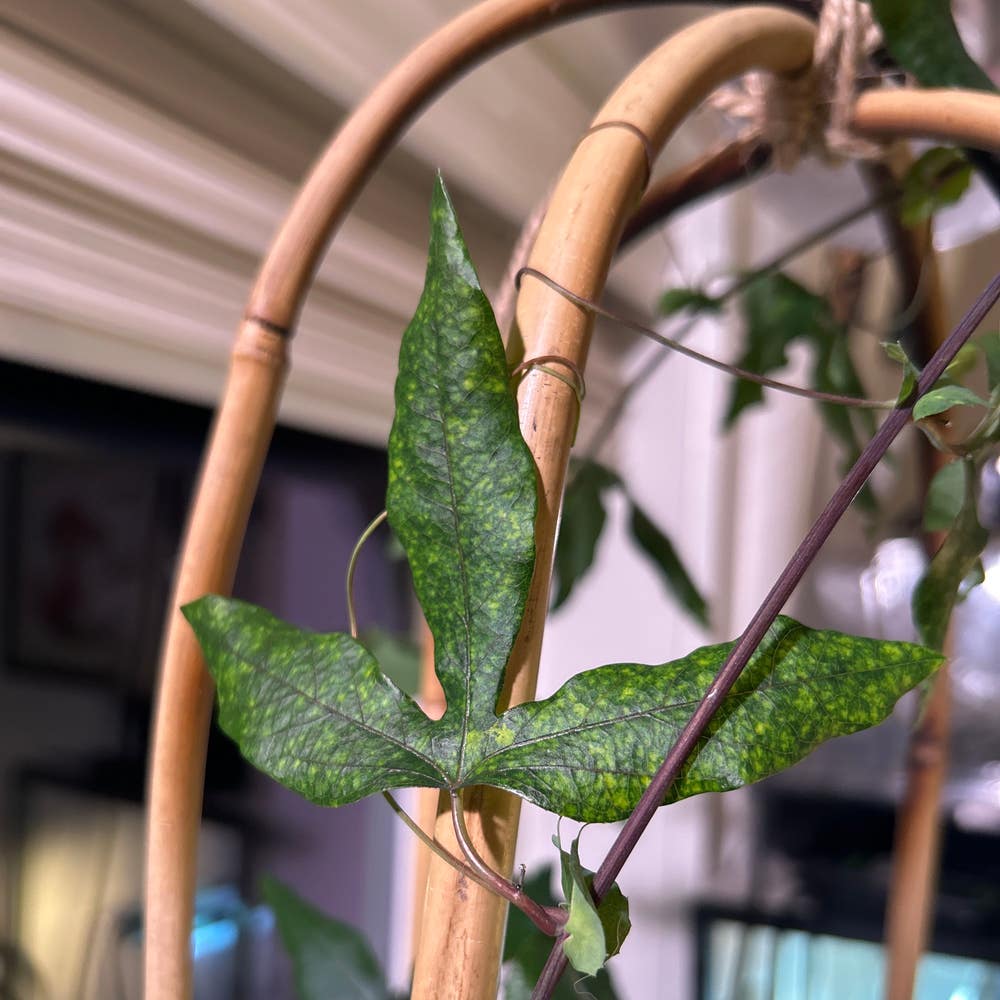
Everything You Need to Know About Blue Passionflower 🦋
Passiflora caerulea
By the Greg Editorial Team
Jan 23, 2025•12 min read
This article was created with the help of AI so we can cover more plants for you. May contain errors. See one? Report it here.
- 🌞 Blue Passionflower needs 6-8 hours of sunlight for optimal growth and health.
- 🌱 Well-draining, fertile soil with pH 6.0-7.0 is essential for thriving plants.
- 🍽️ Fruits and flowers are edible, making Blue Passionflower a culinary delight!
How to Grow
🌞 Choosing a Location
To thrive, Blue Passionflower needs full sun to partial shade, requiring 6-8 hours of sunlight daily. When selecting a spot, ensure there's ample space for the vine to grow and for any support structures it may need.
🌱 Soil Preparation
This plant prefers well-draining, fertile soil to flourish. Aim for a pH level between 6.0 and 7.0 to create the ideal growing conditions.
🌿 Planting Techniques
When planting multiple Blue Passionflowers, space them 3-4 feet apart. Make sure to plant them at the same depth as they were in their nursery containers for best results.
💧 Watering Requirements
Keep the soil consistently moist but avoid waterlogging. Using drip irrigation or soaker hoses is an effective method to water without wetting the foliage.
🌼 Fertilizing Schedule
A balanced NPK fertilizer (10-10-10) works best for these plants. Fertilize every 4-6 weeks during the growing season to promote healthy growth.
✂️ Pruning Methods
Prune your Blue Passionflower in late winter or early spring, just before new growth begins. Focus on removing dead or damaged stems and shaping the plant to improve airflow.
🔍 Ongoing Care
Regularly monitor your plants for signs of pests or diseases to catch any issues early. Adjust your watering and fertilizing routine based on seasonal changes to keep your plants thriving.
With these steps, you’ll be well on your way to cultivating a vibrant Blue Passionflower garden. Next, let’s explore how to propagate this beautiful vine for even more growth!
Propagation
🌱 Seed Propagation
To start your Blue Passionflower from seeds, soak them in water for 24 hours. After soaking, plant the seeds about 1/4 inch deep in a seed-starting mix for optimal germination.
Germination typically takes 2-4 weeks, especially in warm conditions between 70°F to 80°F. Keep an eye on them during this period to ensure they have the right environment to sprout.
✂️ Cutting Propagation
Another effective method is cutting propagation. Choose healthy stems and cut them to a length of 4-6 inches, removing the lower leaves to encourage root development.
For rooting, place the cuttings in a moist potting mix and cover them with plastic to maintain humidity. This creates a mini-greenhouse effect, promoting faster root growth.
🌿 Layering Techniques
Air layering is a fantastic technique for propagating Blue Passionflower. Bend a healthy stem down to the ground, cover it with soil, and wait patiently for roots to develop.
Once you see roots forming, you can sever the stem from the parent plant. This method allows you to create new plants without the need for seeds or cuttings.
With these propagation techniques, you can easily expand your Blue Passionflower collection. Now that you know how to propagate, let’s explore the lifecycle of this fascinating plant!
Lifecycle
Lifecycle Stages 🌱
The lifecycle of the blue passionflower is a fascinating journey that unfolds in distinct stages. It begins with the seed, progressing through seedling, vegetative growth, flowering, and finally, seed production.
Lifespan 🌿
As a perennial vine, blue passionflower typically thrives for several years. This longevity allows gardeners to enjoy its beauty and benefits season after season.
Growth Timeline 📅
Reaching maturity takes about 1-2 years, which is relatively quick for a vine. During this time, you can expect it to grow rapidly, often achieving several feet in height within a single growing season.
Growth Rate Specifics 🚀
Blue passionflower is known for its vigorous growth. Under optimal conditions, it can surprise you with its speed and resilience, making it a rewarding addition to any garden.
This lifecycle not only highlights the plant's adaptability but also sets the stage for the next section, where we will explore its size and growth characteristics in more detail.
Size
Mature Height and Spread 🌱
Blue Passionflower is a vigorous climber, capable of reaching impressive heights of 20 to 30 feet. With a spread of 3 to 4 feet, it can create a stunning vertical display in your garden.
Growth Rate 🚀
Under optimal conditions, this plant exhibits rapid growth. You can expect it to flourish quickly, making it a rewarding choice for gardeners seeking fast results.
Size Variability Based on Conditions 📏
Impact of Soil
The quality of soil plays a crucial role in the plant's growth. Rich, well-draining soil not only supports healthy roots but also encourages larger and more robust plants.
Light and Water
Adequate sunlight and consistent watering are essential for maximizing size. Ensure your Blue Passionflower receives full sun to partial shade for the best results, and keep the soil moist but not soggy.
In summary, the size of Blue Passionflower can vary significantly based on environmental conditions. By providing the right soil, light, and water, you can help this beautiful vine reach its full potential.
As we explore further, let’s dive into the fascinating root system that supports this vibrant plant.
Roots
🌱 Root System Characteristics
The Blue Passionflower boasts a fibrous root system that supports its vigorous growth. These roots can extend 2-3 feet deep and spread widely, anchoring the plant securely while allowing it to absorb nutrients efficiently.
⚠️ Common Root Issues
Root rot is a significant concern, often caused by overwatering. Symptoms include yellowing leaves and wilting, signaling that your plant may be struggling.
Another common issue is becoming rootbound, which occurs when the roots fill the pot. Signs of this problem include stunted growth and circling roots, indicating that it's time to repot.
👀 Visual Cues for Healthy vs. Unhealthy Roots
Healthy roots are firm, white, and spread throughout the soil, indicating a thriving plant. In contrast, unhealthy roots appear dark, mushy, or foul-smelling, which can be a red flag for underlying issues.
By keeping an eye on your Blue Passionflower's roots, you can ensure it remains healthy and vibrant. Next, let's explore the numerous benefits this stunning plant brings to your garden.
Benefits
Top 5 Benefits 🌟
Aesthetic Appeal
The blue passionflower is a showstopper in any garden. Its striking, intricate blooms add vibrant color and visual interest, making it a favorite among gardeners.
Ecological Benefits
This plant is more than just a pretty face; it plays a crucial role in supporting local ecosystems. By attracting pollinators like bees and butterflies, it helps maintain biodiversity.
Culinary Uses
Did you know the fruits and flowers of the blue passionflower are edible? They can be incorporated into various recipes, adding a unique flavor and nutritional boost.
Medicinal Properties
Traditionally, blue passionflower has been used for its calming effects. Many people turn to it for anxiety relief and relaxation, making it a natural remedy worth considering.
Cultural Significance
In various cultures, the blue passionflower symbolizes passion and spirituality. Its rich history adds depth to its beauty, making it a meaningful addition to any garden.
These benefits highlight why the blue passionflower is not just a plant but a valuable asset to gardens and ecosystems alike. As we explore further, you'll discover how to cultivate and care for this remarkable vine.
Companion Plants
🌱 Companion Planting Benefits
Companion planting is a fantastic way to enhance your garden's diversity. It not only supports pest management but also promotes healthier growth for your blue passionflower.
🌼 List of Compatible Plants
When choosing companion plants, consider adding basil, marigolds, and other flowering herbs. These plants attract beneficial insects that can help pollinate your passionflower and keep pests at bay.
🚫 Plants to Avoid
While some plants thrive alongside blue passionflower, others can hinder its growth. Avoid planting near aggressive growers like mint, which may compete for resources and overshadow your passionflower's beauty.
By carefully selecting companion plants, you can create a thriving garden ecosystem that benefits all your plants. This thoughtful approach will ensure your blue passionflower flourishes alongside its companions.
Toxicity to Humans
Safety Overview 🌿
Blue Passionflower is generally safe for humans. Major poison control centers do not list it as toxic, making it a great addition to your garden without the worry of harmful effects.
Minor Issues ⚠️
However, it's important to note that excessive contact with the plant may lead to mild skin irritation. Additionally, consuming large quantities could result in digestive discomfort, so moderation is key.
Best Practices 🛡️
Always exercise caution when handling any plant. If you experience unusual symptoms after contact or consumption, seek medical advice to ensure your safety.
Edible
🍽️ Edible Parts
Blue Passionflower offers delightful edible parts, primarily its fruits and flowers. Both are safe to consume, adding a unique touch to your culinary adventures.
🌱 Identification and Harvesting Techniques
When harvesting, focus on gathering ripe fruits and fresh flowers. It's essential to avoid unripe fruits, as they may not provide the same flavor or safety.
🥗 Nutritional Value and Health Benefits
These edible parts are not just tasty; they are also rich in vitamins and antioxidants. Consuming them may lead to improved digestion and relaxation, making them a beneficial addition to your diet.
Incorporating Blue Passionflower into your meals can elevate your dishes while providing health benefits. Whether you enjoy the fruits in a smoothie or the flowers in a salad, this plant is a versatile gem in the garden.
As you explore the culinary uses of Blue Passionflower, remember to savor its unique flavors and appreciate its nutritional contributions. Now that you know about its edibility, let’s dive into the fascinating world of companion plants that thrive alongside it.
Toxicity to Dogs
Safety Overview 🐾
Blue Passionflower is generally safe for dogs. It is not listed as toxic by major pet poison control centers.
Minor Issues 🤢
However, if your dog consumes too much, it may experience mild gastrointestinal upset. This could manifest as a slight stomach ache or discomfort.
Tips for Introducing to Homes with Dogs 🏡
To keep your furry friends safe, consider placing the plant out of reach. Always monitor your dog's behavior around new plants to ensure they don't nibble on them.
Transitioning to a pet-friendly garden can be a rewarding experience. Let's explore how to create a safe environment for both your plants and pets.
Toxicity to Cats
🛡️ Safety Overview
Blue Passionflower is a safe choice for cat owners. It is not listed as toxic by major pet poison control centers, allowing you to enjoy its beauty without worry.
⚠️ Minor Issues
While generally safe, excessive consumption of Blue Passionflower may lead to mild gastrointestinal upset in cats. It's always best to monitor your feline friends around new plants.
🐾 Tips for Introducing to Homes with Cats
When bringing Blue Passionflower into your home, keep an eye on your cat's behavior. To prevent any mishaps, consider placing the plant out of reach, ensuring your curious companion can admire it from a safe distance.
This way, you can enjoy the vibrant blooms while keeping your furry friend safe and sound.
Problems
Common Problems 🌱
Growing Blue Passionflower can be rewarding, but it comes with its share of challenges.
Overwatering is a common issue; symptoms include yellowing leaves and wilting.
Light issues can also arise; insufficient light may lead to leggy growth and poor flowering.
Additionally, watch out for diseases like powdery mildew and root rot, which can hinder your plant's health.
Symptoms and Identification 🔍
To keep your plant thriving, regularly monitor for signs of distress.
Look for discoloration, such as yellowing leaves, which can indicate overwatering or nutrient deficiencies.
Wilting and unusual growth patterns are also red flags that something isn't right.
Solutions and Prevention Tips 🛠️
Fortunately, many problems have straightforward solutions.
Start by adjusting your watering practices; ensure the soil is moist but not soggy.
Improving air circulation around the plant can help prevent fungal diseases.
Lastly, ensure your Blue Passionflower receives adequate light exposure to promote healthy growth and flowering.
By staying vigilant and proactive, you can enjoy a flourishing vine that adds beauty to your garden.
Next, let’s explore the fascinating world of pests that may threaten your Blue Passionflower.
Bugs
🐜 Common Pests
Blue Passionflower can attract a few common pests that may disrupt its growth.
Spider Mites: These tiny pests create fine webs on leaves, indicating their presence. Treat them promptly with insecticidal soap to prevent damage.
Aphids: Small green insects that cluster on new growth can sap the plant's vitality. Control them using neem oil or introduce ladybugs, which are natural predators.
Mealybugs: Recognizable by their white, cottony appearance, mealybugs can be removed easily. Use a cotton swab dipped in alcohol to eliminate them effectively.
🔍 Identification and Damage Caused
Recognizing pests early is crucial for maintaining plant health.
Look for visible signs of infestation, such as discolored leaves, wilting, or unusual growth patterns. Damage can manifest as holes in leaves or stunted growth, signaling that your plant needs attention.
💊 Treatment Options
Effective treatments can help keep your Blue Passionflower thriving.
Utilize organic methods like insecticidal soap to tackle infestations without harming beneficial insects. Additionally, introducing beneficial insects can create a natural balance, helping to control pest populations while promoting a healthy garden ecosystem.
By staying vigilant and proactive, you can ensure your Blue Passionflower remains vibrant and pest-free. Next, let's explore what animals might be lurking in your garden, looking to snack on your beautiful vines.
What Eats
🦌 Common Garden Animals
Blue Passionflower can attract a variety of garden animals that may cause damage.
Deer: These creatures often leave behind chewed leaves and stems. To deter them, consider installing fencing or using repellents.
Rabbits: Known for gnawing on stems, rabbits can quickly become a nuisance. Barriers or repellents can help keep them at bay.
Birds: They may peck at the fruits, leading to significant loss. Using netting can effectively protect your plants from these feathered friends.
🕵️♂️ Signs of Animal Presence
Identifying animal activity in your garden is crucial for timely intervention.
Look for signs such as missing leaves, broken stems, or even droppings scattered around the base of your plants. These indicators can help you pinpoint which animals are causing trouble.
🚧 Deterrent Methods
Preventing animal damage involves a mix of strategies.
Chemical and Organic Solutions: Use repellents that are safe for your garden.
Physical Barriers: Fencing or mesh can provide a strong defense against larger animals.
Companion Planting: Incorporating certain plants can naturally deter pests and enhance your garden's biodiversity.
By staying vigilant and employing these methods, you can protect your Blue Passionflower and enjoy its beauty without the worry of unwanted visitors.
⚠️ Safety First
This content is for general information and may contain errors, omissions, or outdated details. It is not medical, veterinary advice, or an endorsement of therapeutic claims.
Always consult a qualified healthcare professional before using any plant as food, medicine, or supplement.
Never eat any plant (or feed one to pets) without confirming its identity with at least two trusted sources.
If you suspect poisoning, call Poison Control (800) 222-1222, the Pet Poison Helpline (800) 213-6680, or your local emergency service immediately.
Spotted an error? Please report it here.
Watch your Blue Passionflower thrive and reach new heights 🌱 with Greg's personalized care tips and watering reminders that ensure your plant gets exactly what it needs!