🦋 What It Means When Your Bluecrown Passionflower Wilts
Passiflora caerulea
By the Greg Editorial Team
Oct 02, 2024•6 min read
This article was created with the help of AI so we can cover more plants for you. May contain errors. See one? Report it here.
- 💧 Wilting indicates water stress—check for overwatering or underwatering issues.
- 🌡️ High temperatures cause heat stress, leading to drooping leaves; provide shade.
- 🐛 Inspect for pests and diseases to diagnose and treat wilting effectively.
Common Causes of Wilting Leaves
💧 Water Stress
Wilting leaves often signal water stress, which can stem from either overwatering or underwatering.
Overwatering leads to yellowing leaves and soggy soil, creating an environment where roots can suffocate. Conversely, underwatering results in dry, crispy leaves and soil that pulls away from the pot edges.
Regularly checking soil moisture is crucial. A simple finger test or moisture meter can help you gauge when your Bluecrown Passionflower needs a drink.
🔥 Heat Stress
High temperatures can wreak havoc on your plant, especially if it’s exposed to prolonged heat above 30°C (86°F).
Signs of heat stress include leaf curling, browning edges, and drooping. Providing shade during peak sun hours can help mitigate these effects and keep your plant thriving.
🦠 Disease-Related Wilting
While less common, disease-related wilting can occur. Fungal wilt is rare but can cause sudden wilting and discoloration of leaves.
Pest issues, such as aphids or spider mites, can also lead to stress and wilting. However, it’s important to note that pathogenic wilt is unlikely to be the primary cause of wilting in your Bluecrown Passionflower.
Understanding these common causes can help you identify the issue quickly and take action. Next, we’ll explore how to diagnose wilting effectively.
Diagnosing Wilting
🕵️♂️ Step-by-Step Guide to Diagnose Wilting
Diagnosing wilting in your Bluecrown Passionflower starts with assessing soil moisture. Use a moisture meter or your finger to check if the soil is too wet or too dry.
Next, evaluate the environmental conditions. Measure the temperature and humidity levels to ensure they are within a suitable range for your plant.
🔍 Inspecting Leaves and Watering Habits
Inspect the leaves closely for any signs of pests or disease. Look for discoloration, spots, or any visible insects that could be causing stress.
Finally, review your watering habits. Reflect on your recent watering schedule and amounts to identify any inconsistencies that could contribute to wilting.
👀 Signs to Look for in Leaves and Soil
When examining the leaves, pay attention to their color and texture. Healthy leaves should be vibrant and firm, while wilting leaves may appear dull or crispy.
For the soil, check its moisture level and compaction. Well-draining soil should feel moist but not soggy, and it should allow water to flow freely to prevent root rot.
By following these steps, you can effectively diagnose the cause of wilting and take appropriate action to revive your plant. Understanding these signs will set you on the right path to restoring your Bluecrown Passionflower's health.
Solutions for Wilting Leaves
🌊 Addressing Water Stress
Overwatering can be a sneaky culprit behind wilting leaves. If you notice soggy soil and yellowing leaves, it's time to let the soil dry out and improve drainage.
On the flip side, underwatering leads to dry, crispy leaves. To remedy this, increase your watering frequency and consider bottom watering techniques for better moisture absorption.
☀️ Managing Heat Stress
Heat stress can take a toll on your Bluecrown Passionflower. If temperatures soar, relocate your plant to a shadier spot during peak heat hours.
Using mulch can also help retain soil moisture and regulate temperature, creating a more stable environment for your plant.
🦠 Solutions for Disease-Related Wilting
If pests are causing your plant to wilt, it's crucial to identify and treat them promptly. Insecticidal soap or neem oil can effectively manage infestations.
Additionally, removing affected leaves can prevent the spread of any potential diseases, keeping your plant healthier in the long run.
🌱 Techniques for Reviving a Wilted Plant
Reviving a wilted plant can be straightforward. One effective method is bottom watering: fill a tray with water and let the plant absorb moisture from below.
Consider temporarily relocating your plant to a more stable environment. Pruning damaged leaves can also encourage new growth, giving your plant a fresh start.
With these solutions, your Bluecrown Passionflower can bounce back from wilting. Next, let’s explore preventive measures to keep your plant thriving.
Preventive Measures
Best Practices to Minimize Wilting 🌱
To keep your Bluecrown Passionflower thriving, regularly monitor soil moisture. Adjust your watering schedule based on the plant's needs to avoid both overwatering and underwatering.
Maintaining consistent environmental conditions is crucial. Aim for stable temperature and humidity levels to create a comfortable atmosphere for your plant.
Using well-draining soil is essential. This prevents root rot and ensures that your plant's roots can breathe.
Environmental Adjustments 🌤️
Providing shade during extreme heat can make a significant difference. Consider relocating your plant or using shade cloth to protect it from harsh sunlight.
Proper spacing is another key factor. Ensure your plants have enough room for air circulation, which helps reduce humidity buildup and keeps them healthy.
By implementing these preventive measures, you'll create a nurturing environment that minimizes the risk of wilting. This proactive approach not only enhances your plant's resilience but also enriches your gardening experience.
Next, let’s explore the unique characteristics of the Bluecrown Passionflower and how they influence care.
Unique Characteristics
Sensitivity to Environmental Changes 🌡️
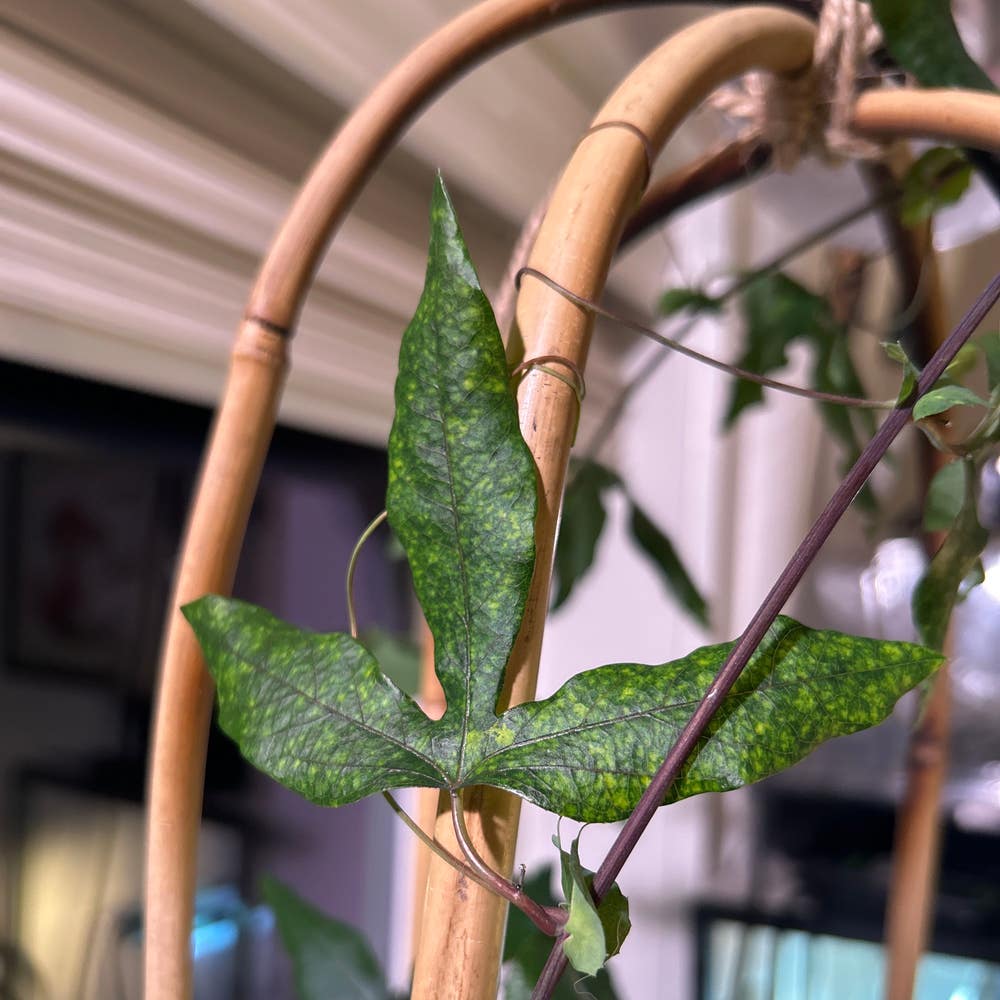
The Bluecrown Passionflower boasts distinctive lobed leaves that are particularly sensitive to shifts in temperature and moisture. This sensitivity means that even slight changes in their environment can lead to wilting or stress.
Understanding these characteristics is crucial for effective care. By monitoring conditions closely, you can ensure your plant thrives rather than merely survives.
Importance of Temperature and Moisture 🌡️💧
Temperature fluctuations can be detrimental, especially if they exceed the plant's comfort zone. Similarly, moisture levels play a vital role; too much or too little can lead to visible distress.
Being aware of these factors allows you to take proactive steps. Adjusting your care routine based on environmental conditions can make all the difference in keeping your Bluecrown Passionflower healthy.
Practical Care Tips 🛠️
To mitigate the effects of environmental changes, consider the following:
- Regular Monitoring: Keep an eye on temperature and moisture levels.
- Adapt Care: Adjust watering and placement based on seasonal changes.
By staying attuned to your plant's needs, you can foster a thriving environment. This attention to detail not only enhances the beauty of your Bluecrown Passionflower but also deepens your connection with it.
Transition to Next Section 🔄
With a solid understanding of the unique characteristics of your Bluecrown Passionflower, you can now explore when it might be time to seek expert assistance for persistent issues.
When to Seek Help
🆘 Signs That Require Expert Assistance
If your Bluecrown Passionflower shows persistent wilting despite your best efforts, it may be time to call in the experts. Unidentified pests or diseases can wreak havoc, and sometimes, you just need a second opinion.
📚 Resources for Assistance
Local nurseries are treasure troves of knowledge. They often have experienced staff who can provide tailored advice for your plant's specific issues.
Online communities, like Greg, are also fantastic resources. You can connect with fellow plant enthusiasts who share their experiences and solutions, offering a wealth of support and insights.
In summary, don’t hesitate to seek help when needed. Your Bluecrown Passionflower deserves the best care possible, and sometimes that means reaching out for expert guidance.
⚠️ Safety First
This content is for general information and may contain errors, omissions, or outdated details. It is not medical, veterinary advice, or an endorsement of therapeutic claims.
Always consult a qualified healthcare professional before using any plant as food, medicine, or supplement.
Never eat any plant (or feed one to pets) without confirming its identity with at least two trusted sources.
If you suspect poisoning, call Poison Control (800) 222-1222, the Pet Poison Helpline (800) 213-6680, or your local emergency service immediately.
Spotted an error? Please report it here.
Revive your wilting Bluecrown Passionflower by using Greg's custom watering alerts and soil moisture checks to keep it thriving and happy! 🌼