What Do I Do About Bluecrown Passionflower Root Rot?
Passiflora caerulea
By the Greg Editorial Team
Jun 18, 2024•4 min read
This article was created with the help of AI so we can cover more plants for you. May contain errors. See one? Report it here.
- Wilting, yellowing, and foul odor indicate root rot in Bluecrown Passionflower.
- Immediate action: Stop watering, prune roots, and ensure well-draining soil.
- Prevent future rot by adjusting watering, pot size, and environmental conditions.
Spotting the Red Flags: Recognizing Root Rot in Your Bluecrown Passionflower
🚩 Visual Symptoms
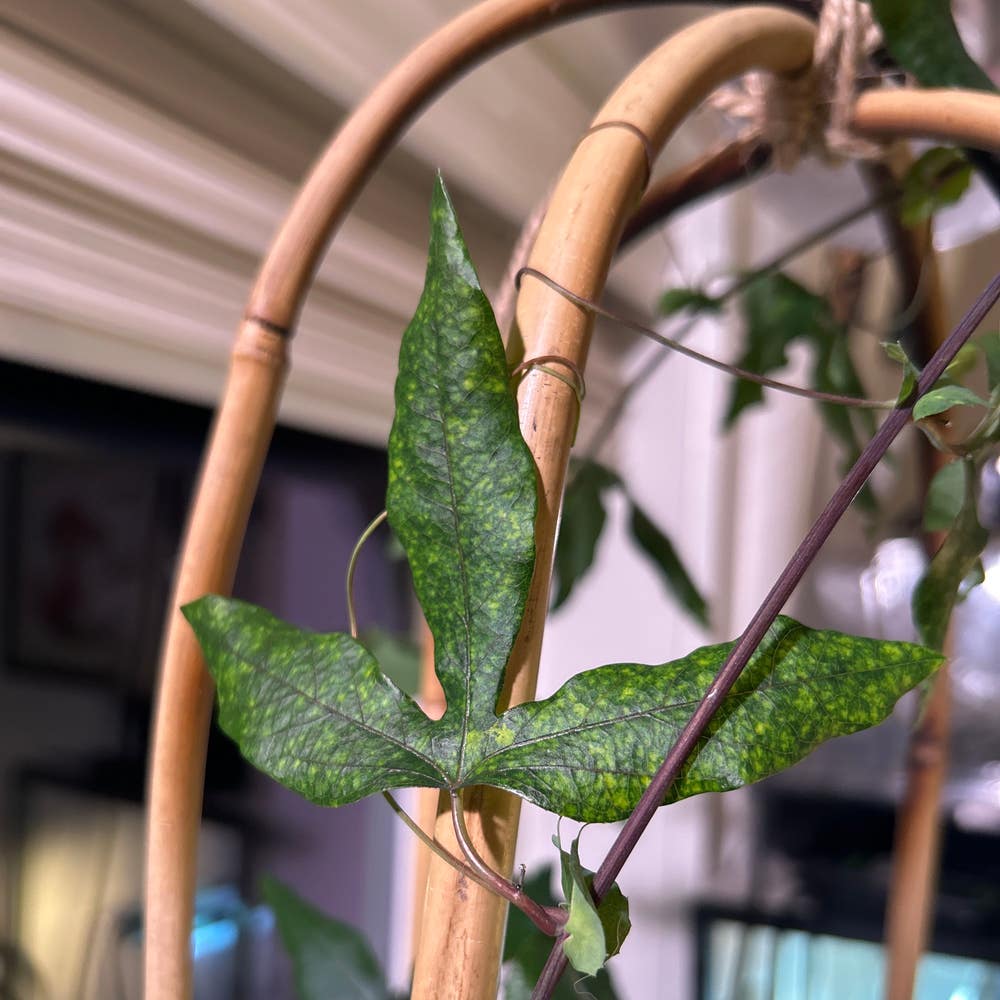
Wilting, yellowing leaves on your Bluecrown Passionflower are not just a sign of a bad day; they're a distress call from below the soil. If your plant's leaves look more defeated than a rained-out parade, it's time to suspect root rot.
🕵️ Beyond the Surface
Don't just trust your eyes—trust your nose too. A foul odor emanating from the soil is the botanical equivalent of a smoke alarm. And if the base of your plant feels as mushy as overripe fruit, that's a clear signal the roots are in trouble.

The Rescue Operation: Treating Root Rot Step by Step
🚑 Immediate Response Tactics
First things first, stop watering your Bluecrown Passionflower. Overhydration is your enemy here. Next, gently remove the plant from its pot to inspect the roots. Healthy roots are firm and white, while rotten ones are brown and mushy.
Using sterilized scissors, cut away all the damaged roots. It's like surgery; only the healthy tissue should remain. After the pruning, let the roots breathe. This means no water, just fresh air, until the roots are dry to the touch.
🌱 Soil and Pot Makeover
Now, for the pot and soil—think of it as a fresh start. Select a pot with ample drainage holes and size it just right for the plant's root system. Too big, and you risk water retention; too small, and the roots will feel cramped.
Fill the new pot with a well-draining soil mix. A blend of peat, perlite, and pine bark often does the trick, providing both drainage and support. Remember to sterilize the new pot before use to prevent any lingering pathogens from crashing the party.

Water Wisdom: Balancing Moisture to Keep Root Rot at Bay
💧 Fine-Tuning Your Watering Routine
Watering your Bluecrown Passionflower isn't about sticking to a rigid timetable; it's about responding to its needs. Overwatering is a surefire path to root rot, while underwatering leaves your plant thirstier than a marathon runner without a water station. Aim for the sweet spot: soil that's moist but not soggy.
🌡️ Moisture Monitoring Techniques
Invest in a moisture meter to take the guesswork out of watering. This nifty gadget tells you exactly when your plant needs a drink. If you're more old-school, the finger test works too—dry soil at your fingertip signals it's time to water. Remember, the goal is to prevent your plant's roots from taking an unwanted swim.

Seasonal Adjustments
Be vigilant with the changing seasons. Your Bluecrown Passionflower might guzzle water in the summer heat but barely sip during the cooler months. Adjust your watering schedule accordingly, keeping an eye on leaf condition and your home's humidity levels.
Pot and Soil Considerations
Ensure your pot has drainage holes to avoid a waterlogged grave for your plant. Pair this with a well-draining soil mix to set the stage for a root rot-free life. It's like giving your plant's roots a life jacket in a sea of moisture.
Reading the Soil's Signals
Embrace the "soak and dry" method for a happy root system. Water deeply, then let the soil approach dryness before the next watering. This cycle promotes robust roots by mimicking natural rainfall patterns, giving your plant a taste of the wild.
Utilizing Tools
A soil probe isn't just for the pros. It's a handy tool that measures moisture and aerates the soil, giving your plant's roots a breath of fresh air—especially if you've been a tad generous with the watering can.
Fortifying Your Plant: Long-Term Prevention Strategies
🏡 The Right Home for Your Roots
Choosing the right pot for your Bluecrown Passionflower is like picking a house that becomes a home. It needs to be just the right size—not too spacious that the soil stays wet for too long, and not so snug that the roots can't breathe. Terra cotta pots are a win for their breathability, helping the soil dry out more efficiently than plastic. And let's not forget the non-negotiable: drainage holes. They're the escape hatch for excess water, so make sure they're clear and ready for action.
🌡️ Creating the Optimal Environment
Now, to make your Bluecrown Passionflower thrive, think about crafting a microclimate. It doesn't need a tropical vacation, but it does want to avoid the extremes. Keep the temperature consistent and the humidity in check—too much moisture in the air is like a dinner invitation for root rot. And while you're at it, rotate the pot occasionally to promote even growth and prevent disease. It's like giving your plant a well-rounded education in living its best life.
⚠️ Safety First
This content is for general information and may contain errors, omissions, or outdated details. It is not medical, veterinary advice, or an endorsement of therapeutic claims.
Always consult a qualified healthcare professional before using any plant as food, medicine, or supplement.
Never eat any plant (or feed one to pets) without confirming its identity with at least two trusted sources.
If you suspect poisoning, call Poison Control (800) 222-1222, the Pet Poison Helpline (800) 213-6680, or your local emergency service immediately.
Spotted an error? Please report it here.
Avoid the dread of root rot and keep your Bluecrown Passionflower thriving 🌿 with Greg's tailored watering reminders that ensure perfect moisture levels every time.