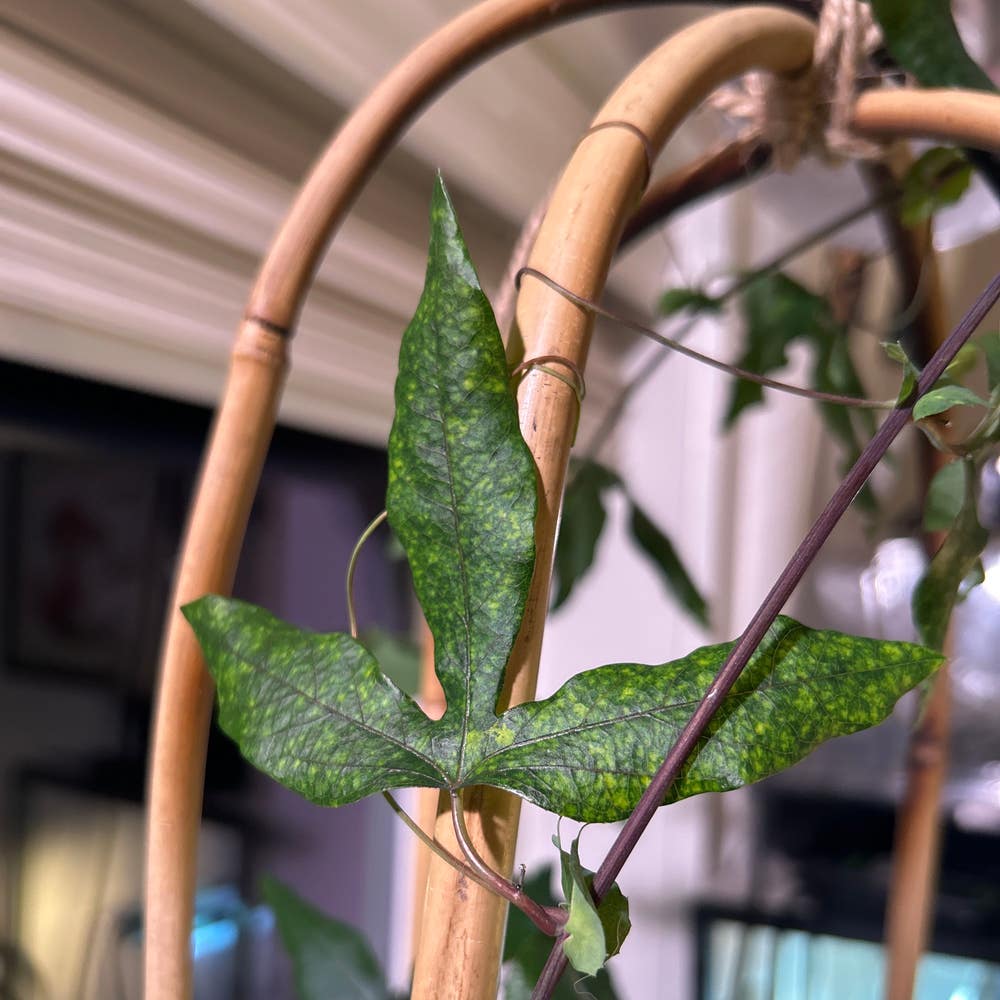
10 Benefits of Having a Bluecrown Passionflower
Passiflora caerulea
By the Greg Editorial Team
Jun 18, 2024•3 min read
This article was created with the help of AI so we can cover more plants for you. May contain errors. See one? Report it here.
- 🌸 Stunning blooms and fragrance enhance your space's visual and olfactory appeal.
- 🦋 Attracts pollinators, supporting biodiversity and creating natural garden retreats.
- 🧘 Promotes tranquility and mindfulness, with traditional medicinal uses and therapeutic gardening.
A Feast for the Senses: Beauty, Aroma, and Taste
🎨 Exotic Visual Appeal
The Bluecrown Passionflower is a living tapestry. Its intricate blooms are a visual spectacle, flaunting a fusion of white and blue with a crown of filaments that could steal the show in any garden. This vine doesn't just grow; it performs, transforming spaces with a tropical vibe that's hard to ignore.
👃 Aromatic Ambiance
Breathing in the Bluecrown Passionflower's scent is like unlocking a natural aromatherapy session. The fragrance is subtle yet impactful, capable of turning a regular day into an olfactory adventure and lifting your spirits without you even realizing it.
🍽️ Culinary Adventures
Surprise: the Bluecrown Passionflower bears passionfruit. Imagine the tartness of kiwis, the sweetness of pineapples, all wrapped in a fragrant aroma. It's a unique flavor that's perfect for culinary experimentation, from refreshing drinks to exotic desserts. And yes, it's an unexpected treat from your own backyard.

Health and Harmony: Medicinal Uses and Therapeutic Gardening
🌿 Nature's Chill Pill
Traditional uses of the Bluecrown Passionflower are rooted in its ability to foster tranquility. A tea made from its flowers is a time-honored remedy for stress and anxiety. This isn't just folklore; the calming effects are backed by those who've sipped their way to serenity.
💚 Green Therapy
Getting your hands in the soil and tending to a Bluecrown Passionflower can be a stress buster. Dubbed horticultural therapy, this practice is more than a trend—it's a mindful respite from life's chaos. Touching the leaves, observing the growth, and breathing in the scent can boost mental health, offering a sense of calm and accomplishment.

The Butterfly Effect: Ecological Benefits and Natural Privacy
🦋 Pollinator Party Pad
The Bluecrown Passionflower isn't just eye candy; it's a pollinator magnet. Its intricate blooms are irresistible to butterflies and bees, transforming your garden into a bustling hub of activity. This vine doesn't just sit pretty—it works hard to sustain biodiversity, providing essential nectar to these crucial garden allies.
🌿 Grow Your Own Green Retreat
Imagine a living tapestry of green, woven with vibrant flowers—that's your garden with a Bluecrown Passionflower. It's a natural artist, crafting secluded nooks for quiet reflection or a secret rendezvous with a book. This vine offers more than privacy; it's a sanctuary where the hum of city life fades, replaced by the whispers of nature.

Stories and Symbols: Cultural Significance and Personal Connections
🌿 A Plant with a Past
The Bluecrown Passionflower carries a legacy rich with symbolism. Historically, it's been a botanical metaphor for the crucifixion of Christ, with its parts representing the crown of thorns, the five wounds, and the ten apostles. This deep association with spirituality has made it an emblem of faith and suffering across cultures.
🧘♀️ Growing Mindfulness
Cultivating this vine is more than a hobby; it's a journey into mindfulness. Gardeners often find solace in the intricate patterns of its flowers, a natural mandala that invites contemplation. The act of nurturing the Bluecrown Passionflower can become a meditative practice, fostering a sense of calm and presence in the fast-paced world.
⚠️ Safety First
This content is for general information and may contain errors, omissions, or outdated details. It is not medical, veterinary advice, or an endorsement of therapeutic claims.
Always consult a qualified healthcare professional before using any plant as food, medicine, or supplement.
Never eat any plant (or feed one to pets) without confirming its identity with at least two trusted sources.
If you suspect poisoning, call Poison Control (800) 222-1222, the Pet Poison Helpline (800) 213-6680, or your local emergency service immediately.
Spotted an error? Please report it here.
Nurture your own tranquil oasis with a Bluecrown Passionflower and let Greg 🌸 pinpoint the perfect watering schedule for your vibrant blooms.