Signs Your Homalomena Has Root Rot and How to Fix It 💧
Homalomena Selby
By the Greg Editorial Team
Oct 21, 2024•4 min read
This article was created with the help of AI so we can cover more plants for you. May contain errors. See one? Report it here.
- 🌱 Yellowing leaves and wilting indicate root rot in Homalomena plants.
- 🕵️♂️ Inspect roots for firmness; brown, mushy roots signal decay.
- 🧴 Use well-draining soil and sterilized pots to prevent future root rot.
Identifying Root Rot Symptoms
🌿 Visual Signs of Root Rot
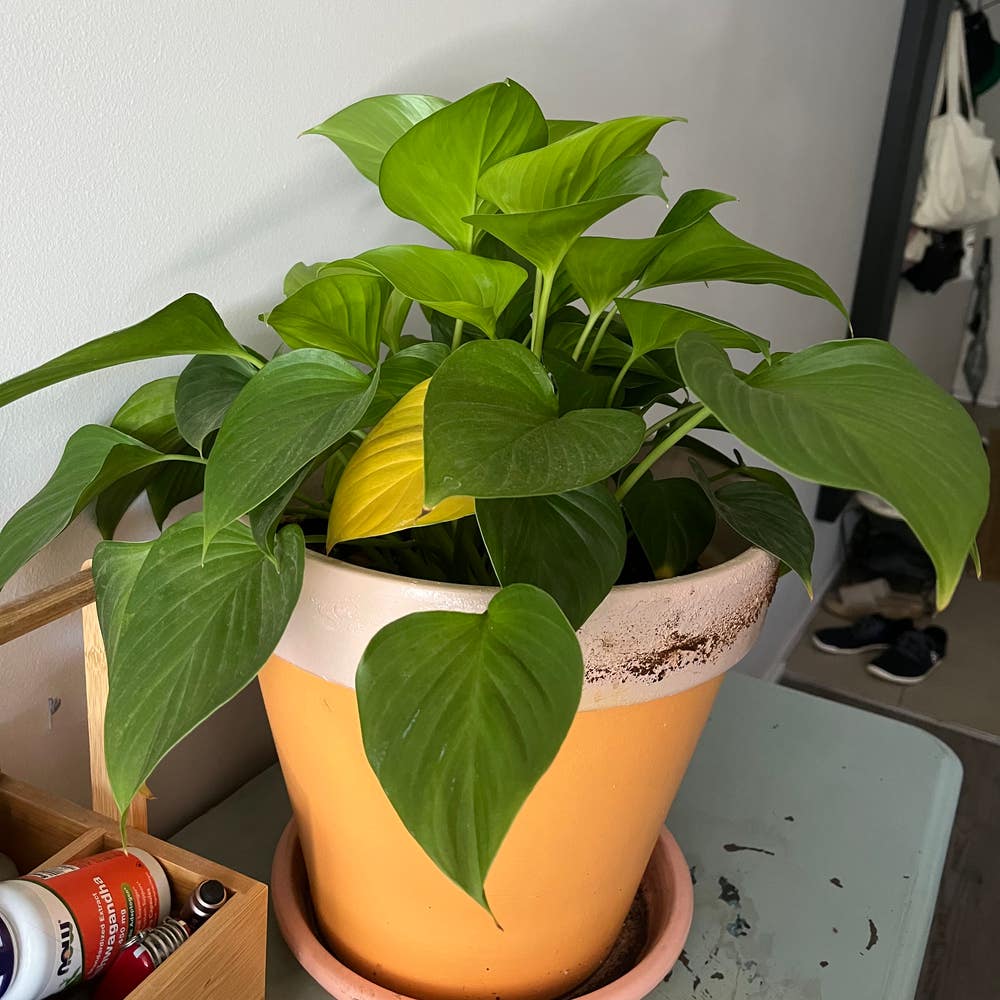
Recognizing root rot starts with observing your Homalomena's leaves. Yellowing or browning leaves are often the first signs that something is amiss.
Wilting, even when you've watered adequately, indicates root distress. This can be a clear signal that your plant is struggling.
A foul odor is another red flag. If you detect a smell of decaying roots while inspecting the soil, it’s time to take action.
🔍 Root Inspection Techniques
To diagnose root rot, you’ll need to safely remove the plant from its pot. Gently loosen the soil around the roots to minimize damage during this process.
Once out, examine the roots closely. Healthy roots are typically white and firm, while rotting roots appear brown and mushy.
⚠️ Distinguishing Root Rot from Other Issues
It's crucial to differentiate root rot from other problems. Compare symptoms of root rot with those of overwatering and underwatering.
Pest infestations can also mimic root rot symptoms. Look for signs like webbing or tiny bugs on the soil surface to rule out pests.
Understanding these signs will help you act quickly and effectively, ensuring your Homalomena stays healthy. Next, we’ll explore how to fix root rot once it’s identified.
Fixing Root Rot
🛠️ Step-by-step guide to treating root rot
Remove the plant from its pot and inspect the roots. Gently ease the Homalomena out, being careful not to damage the roots further.
Trim away affected roots using sterilized scissors. Look for brown, mushy roots and cut them back to healthy tissue.
Prepare a new pot with well-draining soil. Choose a pot that’s slightly larger than the root ball and fill it with a mix that promotes drainage.
Replant the Homalomena, ensuring proper soil coverage. Position the plant at the same depth it was previously growing, then fill in around the roots with soil.
Water lightly and monitor for recovery. After replanting, give it a small amount of water and keep an eye on its progress.
🧴 Recommended products for treatment
Fungicides: Look for products specifically designed for root rot. Apply according to the instructions for effective treatment.
Soil amendments: Consider adding perlite or orchid bark to improve drainage. These materials help prevent future water accumulation.
🌱 Repotting techniques for affected plants
Choosing the right pot size: Select a pot that allows for good airflow and drainage. A pot that’s too large can retain excess moisture.
Importance of sterilizing pots: Always clean pots before reuse. This prevents any lingering pathogens from infecting your newly potted plant.
By following these steps, you can effectively treat root rot and give your Homalomena a fighting chance. Next, let’s explore how to prevent root rot from occurring in the first place.
Preventing Root Rot
🌊 Best Practices for Watering
Establishing a proper watering schedule is crucial for your Homalomena's health. Adjust the frequency and amount based on environmental conditions, such as humidity and temperature.
Look for signs of proper watering, like vibrant green leaves and moist, but not soggy, soil. If the leaves are perky and the soil feels slightly damp, you're on the right track.
🪴 Soil Selection and Drainage Tips
Choosing the right soil mix can make all the difference. A peat-based mix with perlite is ideal for Homalomena, as it promotes aeration and drainage.
Don't underestimate the importance of drainage holes in your pots. They prevent water accumulation, which is a primary cause of root rot.
🏺 Ideal Potting Conditions
When selecting a pot, consider the material. Terracotta pots are great for moisture control, while plastic pots retain more moisture, so choose based on your watering habits.
Placement is key for optimal drainage and airflow. Ensure your plant is in a spot that receives indirect light and has good air circulation to keep those roots happy.
By following these preventive measures, you can significantly reduce the risk of root rot and keep your Homalomena thriving. Next, let’s explore long-term care strategies to maintain a healthy plant.
Long-term Care for Healthy Homalomena
Regular Maintenance Tips to Avoid Root Rot 🌱
To keep your Homalomena thriving, regular checks are essential. Inspect the soil moisture and root health monthly to catch any issues early.
Adjust your care routine with the seasons. Changes in humidity and temperature can affect your plant's needs, so be ready to modify your watering and light exposure accordingly.
Monitoring Plant Health and Early Intervention 👀
Stay vigilant for signs of distress in your plant. Yellowing leaves or wilting can indicate potential root rot or other problems.
Timely action is crucial. Addressing issues as soon as they arise can save your Homalomena from serious damage and keep it healthy for years to come.
By staying proactive in your care routine, you can enjoy a vibrant, flourishing plant that enhances your space.
⚠️ Safety First
This content is for general information and may contain errors, omissions, or outdated details. It is not medical, veterinary advice, or an endorsement of therapeutic claims.
Always consult a qualified healthcare professional before using any plant as food, medicine, or supplement.
Never eat any plant (or feed one to pets) without confirming its identity with at least two trusted sources.
If you suspect poisoning, call Poison Control (800) 222-1222, the Pet Poison Helpline (800) 213-6680, or your local emergency service immediately.
Spotted an error? Please report it here.
Spotting root rot early can save your Homalomena, and with Greg's tailored care reminders and expert advice, you'll keep your plant thriving 🌿 while avoiding pesky root issues!