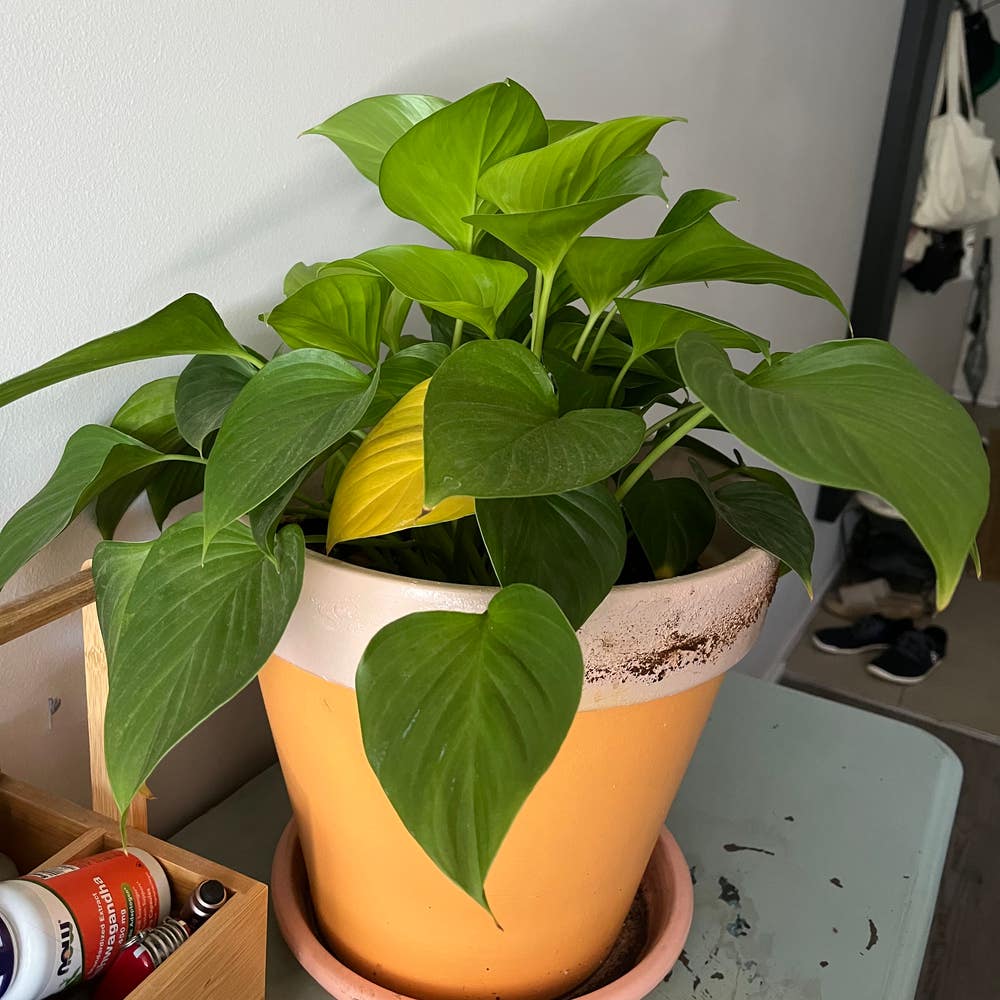
🔍 Understanding Black Spots on Your Homalomena Leaves
Homalomena Selby
By the Greg Editorial Team
Oct 21, 2024•8 min read
This article was created with the help of AI so we can cover more plants for you. May contain errors. See one? Report it here.
- 🌱 Black spots on Homalomena arise from fungal infections, pests, or environmental stress.
- 💧 Overwatering causes black spots; ensure soil dries out between waterings to prevent root rot.
- 🐜 Regular inspections for pests like spider mites help catch issues early and protect leaves.
Causes of Black Spots
🦠 Fungal Infections
Fungal infections are a primary culprit behind black spots on Homalomena leaves. The notorious black spot fungus is particularly damaging, causing dark, circular lesions that can spread rapidly if not addressed.
High humidity and poor air circulation create ideal conditions for these fungi to thrive. Keeping your plant in a well-ventilated area can help mitigate this risk.
🦠 Bacterial Infections
Bacterial leaf spots present differently than fungal ones. You might notice water-soaked areas that eventually turn brown, often surrounded by a yellow halo.
Common bacterial pathogens affecting Homalomena include Pseudomonas and Xanthomonas. Recognizing these symptoms early is crucial for effective treatment.
🌧️ Environmental Stress
💧 Overwatering
Overwatering is a common mistake that leads to black spots. Signs include yellowing leaves and mushy roots, indicating that your plant is struggling.
This excess moisture promotes fungal growth, compounding the problem. Adjusting your watering routine can significantly improve leaf health.
🌬️ Low Humidity
Homalomena thrives in humidity levels between 60-80%. When humidity drops, you may notice leaf curling and increased susceptibility to diseases.
Maintaining the right humidity is essential for keeping your plant vibrant and healthy. Consider using a humidifier or pebble tray to boost moisture levels.
🕷️ Pest Infestations
🕸️ Spider Mites
Spider mites are tiny pests that can wreak havoc on your Homalomena. Look for fine webbing and stippled leaves as telltale signs of an infestation.
These pests stress your plant, making it more vulnerable to black spots. Regular inspections can help catch them early.
🐜 Aphids
Aphids are another pest to watch out for, identifiable by sticky residue and distorted leaves. They not only damage the plant but also act as vectors for bacterial infections.
Monitoring for these pests is crucial for maintaining plant health. Early detection can save your Homalomena from further complications.
Understanding these causes is the first step in addressing black spots on your Homalomena leaves. Next, we'll explore how to diagnose the problem effectively.
Diagnosing the Problem
🕵️♂️ Identifying the Type of Black Spots
When you notice black spots on your Homalomena leaves, the first step is to identify whether they are caused by fungal or bacterial infections. Fungal spots often appear as dark, circular patches, while bacterial spots may be irregular and water-soaked.
Accurate identification is crucial for effective treatment. Misdiagnosing can lead to ineffective remedies, worsening the plant's condition.
🌡️ Assessing Environmental Factors
Next, evaluate the environmental conditions surrounding your plant. Check the humidity and temperature levels, as both play significant roles in plant health.
Also, inspect the soil drainage and moisture content. Poor drainage can lead to root rot, exacerbating the black spot issue.
🛠️ Tools for Diagnosis
🔍 Visual Inspection Techniques
Conduct a thorough visual inspection of your plant's leaves. Look for signs of distress, such as discoloration or unusual textures.
Don’t forget to check both sides of the leaves. Pests and diseases can hide on the underside, making it essential for a comprehensive assessment.
🌱 Soil Moisture Testing
Testing soil moisture is another vital diagnostic step. You can use the finger test—simply stick your finger into the soil to feel for moisture—or a moisture meter for a more precise reading.
Understanding soil moisture is key to maintaining plant health. Overly wet or dry soil can lead to various issues, including black spots on leaves.
By following these diagnostic steps, you can better understand the underlying causes of black spots on your Homalomena. This knowledge will guide you in implementing effective treatment options, ensuring your plant thrives.
Treatment Options
🚀 Immediate Actions to Take
Pruning Affected Leaves
Pruning is essential for maintaining the health of your Homalomena. Use sharp, clean scissors or pruning shears to remove any leaves showing black spots, ensuring you cut just above a node to encourage new growth.
Timing matters too; prune during the growing season for the best results. This allows your plant to recover quickly and reduces the risk of spreading any infections.
Adjusting Watering Practices
Watering practices can make or break your plant's health. Allow the soil to dry out between waterings, as soggy soil can lead to root rot and promote fungal growth.
Look for signs of proper watering: firm leaves and vibrant growth indicate your plant is happy. If leaves feel mushy or limp, it’s time to reassess your watering routine.
🧪 Chemical Treatments
Fungicides for Fungal Infections
When dealing with fungal infections, fungicides can be a game changer. There are two main types: systemic fungicides, which are absorbed by the plant, and contact fungicides, which target the fungus on the leaf surface.
Always follow application instructions carefully, and take safety precautions, such as wearing gloves and a mask. This ensures you protect yourself while treating your plant effectively.
Bactericides for Bacterial Issues
For bacterial problems, using the right bactericides is crucial. Look for products specifically designed for houseplants, as they are often more effective and safer.
Timing is key; apply these treatments at the first sign of symptoms and follow up as directed. Consistency can help prevent the spread of bacteria and keep your plant thriving.
🌱 Natural Remedies
Neem Oil Application
Neem oil is a fantastic natural remedy with antifungal and antibacterial properties. It can help combat both fungal and bacterial issues without harsh chemicals.
To use neem oil, dilute it according to the instructions on the bottle and apply it to the affected areas. Regular applications can keep your plant healthy and pest-free.
Homemade Fungicide Solutions
If you prefer DIY solutions, there are effective homemade fungicides you can whip up. Common recipes include mixing baking soda with water or using diluted vinegar.
When applying homemade solutions, do so in the early morning or late afternoon to avoid leaf burn. This ensures your plant gets the benefits without any adverse effects.
With these treatment options, you can effectively tackle black spots on your Homalomena leaves. Next, let’s explore how to prevent these issues from arising in the first place.
Preventing Black Spots
🌱 Best Practices for Care
Proper Watering Techniques
Watering your Homalomena correctly is crucial for preventing black spots. Aim to water when the top inch of soil feels dry, allowing the plant to absorb moisture without becoming waterlogged.
Signs of proper watering include firm leaves and vibrant growth. If leaves start to yellow or feel mushy, it’s time to reassess your watering habits.
Ideal Humidity and Temperature Conditions
Maintaining optimal humidity levels is essential for your plant's health. Use humidifiers or pebble trays to keep humidity between 60-80%.
The ideal temperature range for your Homalomena is between 65°F to 80°F (18°C to 27°C). Keeping these conditions stable helps prevent stress and disease.
🌿 Soil and Potting Considerations
Importance of Well-Draining Soil
Choosing the right soil mix can make all the difference. Potting mixes that include perlite or orchid bark provide excellent drainage, preventing root rot.
Watch for signs of poor drainage, such as water pooling on the surface or roots that appear mushy. These indicate that your plant may be in trouble.
Choosing the Right Pot Size
Selecting the appropriate pot size is vital for healthy growth. A pot that’s too small can lead to root-bound plants, while a pot that’s too large can retain excess moisture.
Repotting should occur every 1-2 years or when you notice roots growing out of the drainage holes. This ensures your Homalomena has enough space to thrive.
🧹 Regular Maintenance
Cleaning Leaves to Prevent Dust Accumulation
Dust can accumulate on leaves, blocking sunlight and affecting photosynthesis. Use a soft cloth or sponge to gently wipe the leaves clean.
Aim to clean your plant’s leaves monthly or as needed. This simple task can significantly enhance your plant's overall health.
Monitoring for Pests
Regular inspections are key to early pest detection. Schedule weekly checks to catch any issues before they escalate.
Look for signs of infestations, such as yellowing leaves, webbing, or sticky residue. Early intervention can save your plant from serious damage.
By following these best practices, you can create a thriving environment for your Homalomena, reducing the risk of black spots and ensuring long-term health. Next, let’s explore effective treatment options if you do encounter problems.
Long-term Care Strategies
🌦️ Seasonal Care Adjustments
As the seasons change, so do the needs of your Homalomena. During the warmer months, increase light exposure and watering frequency, while in winter, reduce both to prevent overwatering.
Adjusting humidity levels is crucial in winter. Dry indoor air can stress your plant, so consider using a humidifier or placing a pebble tray filled with water nearby.
🔍 Monitoring Plant Health
Regular inspections are key to catching issues early. Look for signs of distress like wilting or discoloration, which can indicate underlying problems.
Keeping a care journal can be incredibly helpful. Documenting changes and interventions allows you to track your plant's health over time and make informed decisions.
🌱 Importance of Proper Fertilization
Homalomena thrives on balanced fertilizers during the growing season. This ensures your plant receives the nutrients it needs to flourish.
Watch for signs of nutrient deficiencies, such as yellowing leaves or stunted growth. Addressing these issues promptly can make a significant difference in your plant's overall health.
By implementing these long-term care strategies, you can ensure your Homalomena remains vibrant and healthy throughout the year. Next, let’s explore how to prevent black spots from developing in the first place.
⚠️ Safety First
This content is for general information and may contain errors, omissions, or outdated details. It is not medical, veterinary advice, or an endorsement of therapeutic claims.
Always consult a qualified healthcare professional before using any plant as food, medicine, or supplement.
Never eat any plant (or feed one to pets) without confirming its identity with at least two trusted sources.
If you suspect poisoning, call Poison Control (800) 222-1222, the Pet Poison Helpline (800) 213-6680, or your local emergency service immediately.
Spotted an error? Please report it here.
Keep your Homalomena spot-free 🌿 by using Greg's tailored care reminders and expert tips to tackle pests and infections before they become a problem!