💎 Emerald Gem Zones
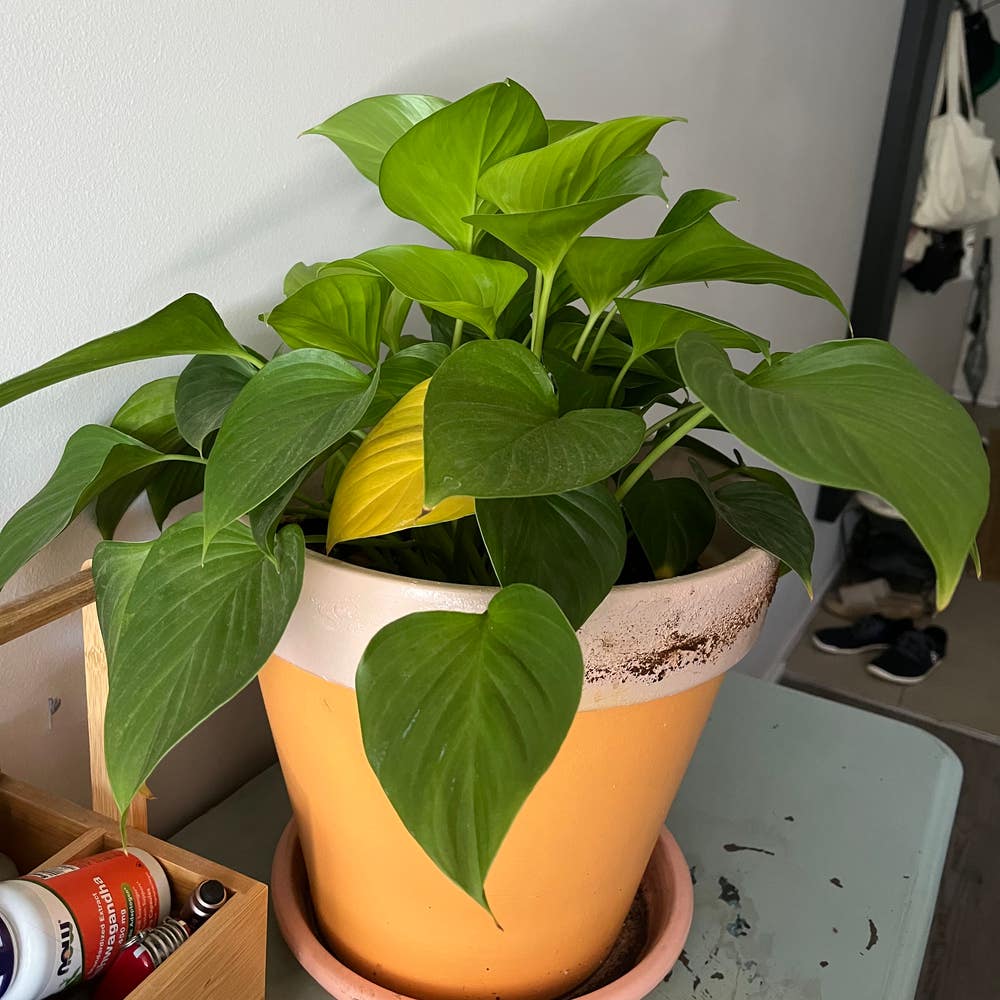
Homalomena Selby
By the Greg Editorial Team
Nov 06, 2024•4 min read
This article was created with the help of AI so we can cover more plants for you. May contain errors. See one? Report it here.
- ❄️🌱 Emerald Gem plants thrive in USDA zones 4 to 7, enduring temperatures from -30°F to 10°F.
- 🌞🌿 Optimal growth requires at least six hours of sunlight and well-drained, slightly acidic soil.
- 🌤️🏞️ Utilize microclimates to expand growing potential and enhance success with Emerald Gems.
Temperature Tolerance
❄️ Cold Tolerance Specifics
Emerald Gem plants thrive in cold climates, with a temperature tolerance down to USDA zone 4, which ranges from -30°F to -20°F. This resilience makes them a great choice for gardeners in colder regions.
Frost tolerance is another key feature, allowing these plants to withstand late spring and early fall frosts. Understanding the impact of first and last frost dates is crucial for ensuring their growth and survival, as these dates can significantly affect blooming and fruiting cycles.
🔥 Heat Tolerance Specifics
On the flip side, Emerald Gem plants can also handle warmer temperatures, thriving up to USDA zone 7, where temperatures range from 0°F to 10°F. However, humidity plays a significant role in their heat tolerance, often exacerbating stress during hotter months.
Signs of heat stress include wilting leaves and stunted growth. To mitigate these effects, consider strategies like providing shade during peak sun hours and ensuring adequate watering to keep the soil moist but not soggy.
Understanding both cold and heat tolerance is essential for successful cultivation. With the right care, you can enjoy the beauty of Emerald Gem plants in a variety of climates.
Next, we’ll explore the ideal growing regions for these resilient plants.
Ideal Growing Regions
🌍 Suitable US States
Emerald Gem thrives in specific hardiness zones, particularly in parts of New York, Pennsylvania, and Virginia. These regions offer the ideal climate characteristics, including moderate temperatures and seasonal variations that support healthy growth.
In New York, for instance, the cooler climate during the growing season helps maintain the plant's vigor. Pennsylvania and Virginia also provide a balanced environment with adequate rainfall and sunlight, which are crucial for the development of Emerald Gem.
🌱 Contributing Factors
Soil type plays a significant role in the success of Emerald Gem. This plant prefers well-drained soil with a slightly acidic to neutral pH, which promotes optimal nutrient uptake.
Sunlight exposure is equally important. Emerald Gem requires ample sunlight to flourish, so ensuring it receives at least six hours of direct sunlight daily is essential. Additionally, maintaining proper moisture levels will help prevent stress and support robust growth.
Understanding these factors can significantly enhance your gardening success with Emerald Gem, allowing you to create a thriving environment for this beautiful plant.
Microclimates
🌱 Effects on Growing Zones
Microclimates can significantly expand the potential for growing Emerald Gems beyond their typical hardiness zones. These localized climate variations create pockets of favorable conditions that can support plant growth even in less-than-ideal environments.
To identify and utilize microclimates in your gardening, start by observing your landscape. Look for areas that receive more sunlight, are sheltered from harsh winds, or have unique topographical features. These spots can provide the warmth or protection your plants need to thrive.
🌞 Beneficial Microclimates
Certain scenarios can enhance the growth of Emerald Gems through the advantages offered by microclimates. For instance, sheltered areas, such as those near buildings or fences, can provide warmth and protection from frost.
South-facing slopes are particularly beneficial as they capture more sunlight throughout the day. This exposure can lead to earlier blooms and a longer growing season, making them ideal for cultivating these vibrant gems.
By understanding and leveraging microclimates, you can create a thriving environment for your Emerald Gems, ensuring they flourish even in challenging conditions. This knowledge sets the stage for exploring state-level suitability, where we can dive deeper into the best regions for these plants.
State-Level Suitability Analysis
🌿 Suitable States
Emerald Gem thrives in several states, particularly those within USDA hardiness zones 4 to 7. Notable states include:
- New York: Characterized by a mix of humid continental and temperate climates, it offers well-drained soils that are slightly acidic, ideal for Emerald Gem growth.
- Pennsylvania: With its diverse climate, Pennsylvania provides the right balance of moisture and sunlight, promoting healthy plant development.
- Virginia: This state benefits from a mild climate and fertile soils, making it a suitable environment for cultivating Emerald Gem.
🚫 Unsuitable States
Certain states present challenges for Emerald Gem cultivation due to their climatic conditions. States like:
- Florida: The excessive heat and humidity can stress the plants, making it difficult for them to thrive.
- Texas: Similar to Florida, Texas experiences extreme temperatures and drought conditions that hinder growth.
📊 Suitability Analysis
Temperature extremes significantly impact the growth potential of Emerald Gem. In suitable regions, the moderate climate allows for robust development, while in unsuitable areas, the harsh conditions can lead to plant stress and poor health.
Additionally, regional challenges such as drought or excessive moisture can further complicate cultivation. Understanding these factors is crucial for successful gardening, ensuring that Emerald Gem can flourish in the right environment.
As we explore the next section on microclimates, consider how these localized conditions can create opportunities for growing Emerald Gem even in less-than-ideal climates.
⚠️ Safety First
This content is for general information and may contain errors, omissions, or outdated details. It is not medical, veterinary advice, or an endorsement of therapeutic claims.
Always consult a qualified healthcare professional before using any plant as food, medicine, or supplement.
Never eat any plant (or feed one to pets) without confirming its identity with at least two trusted sources.
If you suspect poisoning, call Poison Control (800) 222-1222, the Pet Poison Helpline (800) 213-6680, or your local emergency service immediately.
Spotted an error? Please report it here.
Grow your Emerald Gems effortlessly 🌱 by using Greg's tailored care reminders and tips to navigate temperature extremes and microclimates for thriving plants!