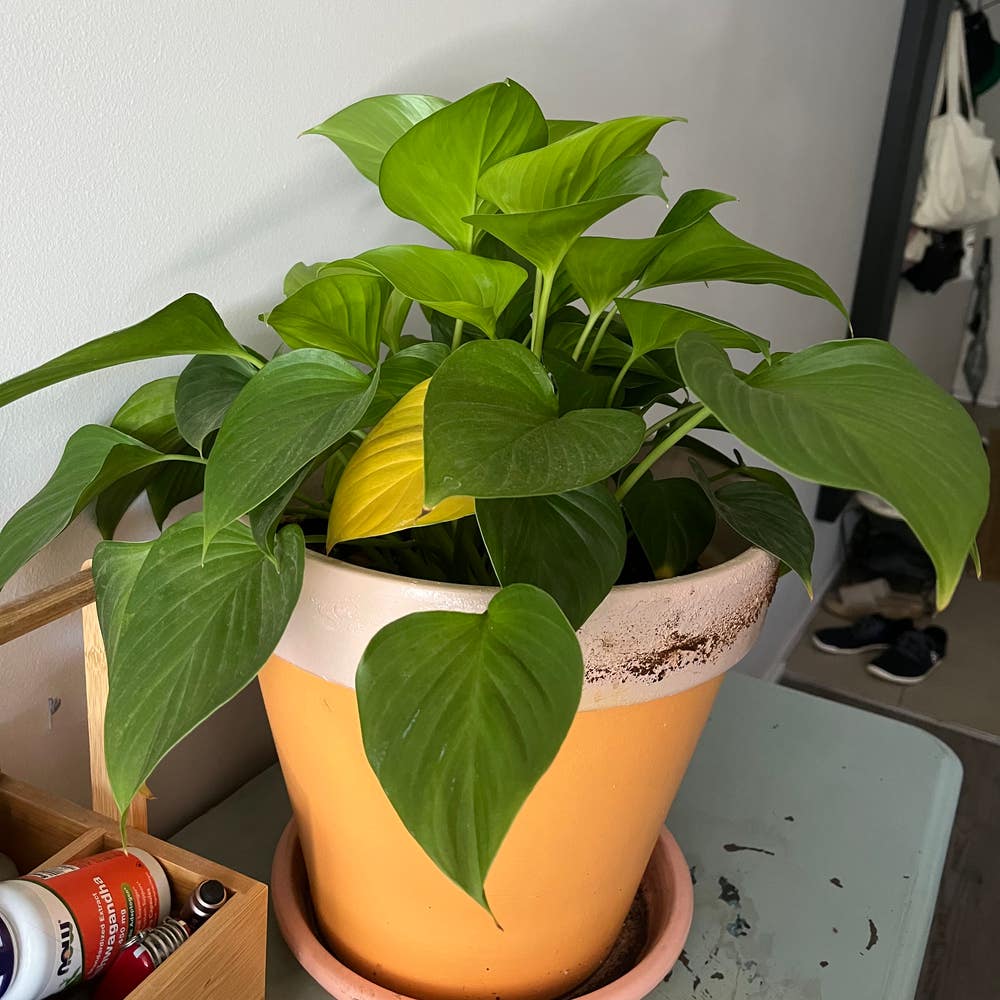
💎 How Big Your Emerald Gem Can Get
Homalomena Selby
By the Greg Editorial Team
Nov 06, 2024•4 min read
This article was created with the help of AI so we can cover more plants for you. May contain errors. See one? Report it here.
- 🌱 Emerald Gems grow 2-3 feet tall and spread 3-4 feet, perfect for compact spaces.
- ☀️ Optimal growth requires full sun and nutrient-rich soil; adjust conditions for size.
- 🌿 Regular pruning and fertilization enhance health and maintain desired size of Emerald Gems.
Mature Height and Spread
Typical Dimensions 🌱
Emerald Gem plants typically reach a mature height of 2 to 3 feet. Their spread can extend from 3 to 4 feet, making them a compact yet lush addition to any garden.
Growth Rate and Time to Maturity ⏳
These plants exhibit a moderate growth rate, achieving full size in about 5 to 10 years. Factors such as soil quality, sunlight exposure, and water availability significantly influence their growth trajectory.
Size Variability Based on Conditions 🌍
The size of Emerald Gems can vary based on environmental conditions. For instance, plants in nutrient-rich soil with ample sunlight often grow larger than those in poor conditions or shaded areas.
Understanding these factors can help you cultivate the best possible version of this beautiful plant in your landscape.
Factors Affecting Size
🌱 Soil Type and Quality
The foundation of a healthy Emerald Gem lies in its soil. Well-draining, fertile soil is crucial for optimal growth and size.
Soil pH also plays a significant role. Ideally, a slightly acidic to neutral pH (around 6.0 to 7.0) promotes robust growth and vibrant foliage.
☀️ Sunlight Exposure
Emerald Gems thrive best in full sun to partial shade. Optimal sunlight conditions encourage lush growth and a fuller appearance.
Insufficient sunlight can stunt growth and lead to leggy plants. Without enough light, the plant may struggle to reach its full potential.
💧 Watering Practices
Consistency is key when it comes to watering. Both overwatering and underwatering can negatively impact growth and size.
Establishing a regular watering schedule helps maintain healthy growth rates. Proper hydration supports the plant's overall development and mature dimensions.
🌿 Fertilization Impact
To achieve optimal growth, regular fertilization is recommended. Using a balanced fertilizer can significantly enhance the size and health of your Emerald Gem.
Consider slow-release fertilizers that provide nutrients over time. These types of fertilizers promote steady growth and vibrant foliage, ensuring your plant thrives in its environment.
With these factors in mind, you can create the perfect conditions for your Emerald Gem to flourish. Next, let’s explore the different varieties available and how they can fit into your landscape design.
Varieties
🌱 Dwarf Varieties
Dwarf varieties of the Emerald Gem typically reach a height of 1-2 feet and spread about 2-3 feet. These compact dimensions make them perfect for smaller gardens or as low hedges.
In landscaping, dwarf varieties shine in foundation plantings or as accents in rock gardens. Their manageable size allows for creative arrangements without overwhelming the space.
🌳 Giant Varieties
On the other hand, giant varieties can grow impressively tall, reaching heights of 4-6 feet with a spread of 4-5 feet. These larger plants serve as striking focal points in any landscape design.
When incorporating giant varieties, consider their space requirements and potential shading effects on surrounding plants. They can dominate a garden, so plan accordingly to maintain balance in your design.
Controlling Size
✂️ Pruning Techniques for Size Management
Pruning is essential for maintaining the desired size of your Emerald Gem. Regular trimming encourages bushier growth and prevents the plant from becoming too leggy.
For optimal results, prune during the early spring before new growth begins. Aim to trim back about one-third of the plant’s height and width to keep it manageable.
📏 Other Methods to Control Growth
In addition to pruning, consider using growth regulators to manage size effectively. These products can help slow down growth, allowing for a more compact plant.
Fertilizers also play a crucial role in size control. Opt for slow-release formulas that promote steady growth without overwhelming the plant.
Environmental adjustments can further influence growth patterns. For instance, controlling sunlight exposure and adjusting watering practices can help maintain the desired dimensions of your Emerald Gem.
With these techniques, you can enjoy a beautifully sized Emerald Gem that fits perfectly into your landscape design. Next, let’s explore the various Emerald Gem varieties and their unique characteristics.
Landscape Considerations
Ideal Uses Based on Size 🌳
Emerald Gem is a versatile plant that shines in various landscape applications. Its compact size makes it perfect for low hedges and foundation plantings, providing a lush, green backdrop for your home.
Using Emerald Gem in these settings not only enhances curb appeal but also offers a neat, structured look. Its dense foliage can create privacy without overwhelming the space, making it an excellent choice for smaller gardens.
Companion Planting 🌼
When considering companion plants, think about those that complement the Emerald Gem's growth habits. Plants like dwarf conifers or colorful perennials can create a stunning visual contrast while maintaining harmony in your garden.
Spacing is crucial for optimal growth and aesthetics. Ensure that companion plants are arranged thoughtfully to avoid overcrowding, allowing each plant to thrive and showcase its unique beauty.
Incorporating Emerald Gem into your landscape design can elevate your outdoor space, making it both functional and visually appealing. With the right companions and strategic placement, you can create a vibrant garden that flourishes year-round.
⚠️ Safety First
This content is for general information and may contain errors, omissions, or outdated details. It is not medical, veterinary advice, or an endorsement of therapeutic claims.
Always consult a qualified healthcare professional before using any plant as food, medicine, or supplement.
Never eat any plant (or feed one to pets) without confirming its identity with at least two trusted sources.
If you suspect poisoning, call Poison Control (800) 222-1222, the Pet Poison Helpline (800) 213-6680, or your local emergency service immediately.
Spotted an error? Please report it here.
Grow a vibrant Emerald Gem 🌿 by using Greg's tailored reminders for watering and sunlight, ensuring your plant thrives beautifully in your garden!